About this spot
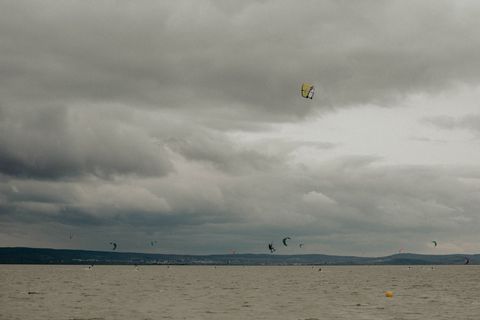
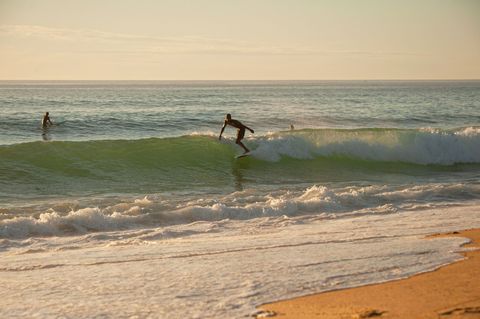
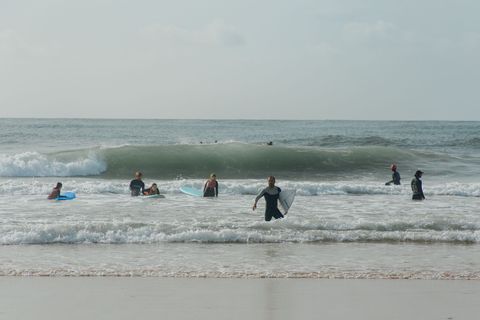
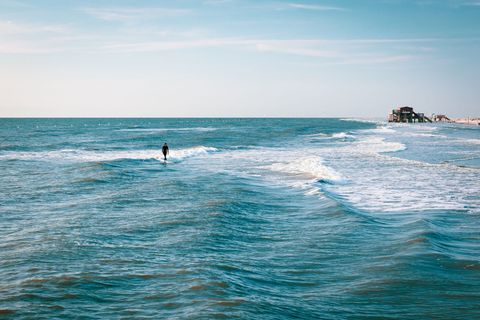
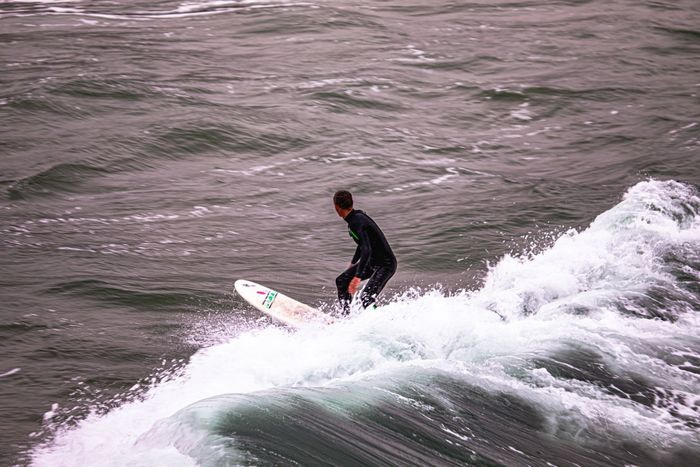
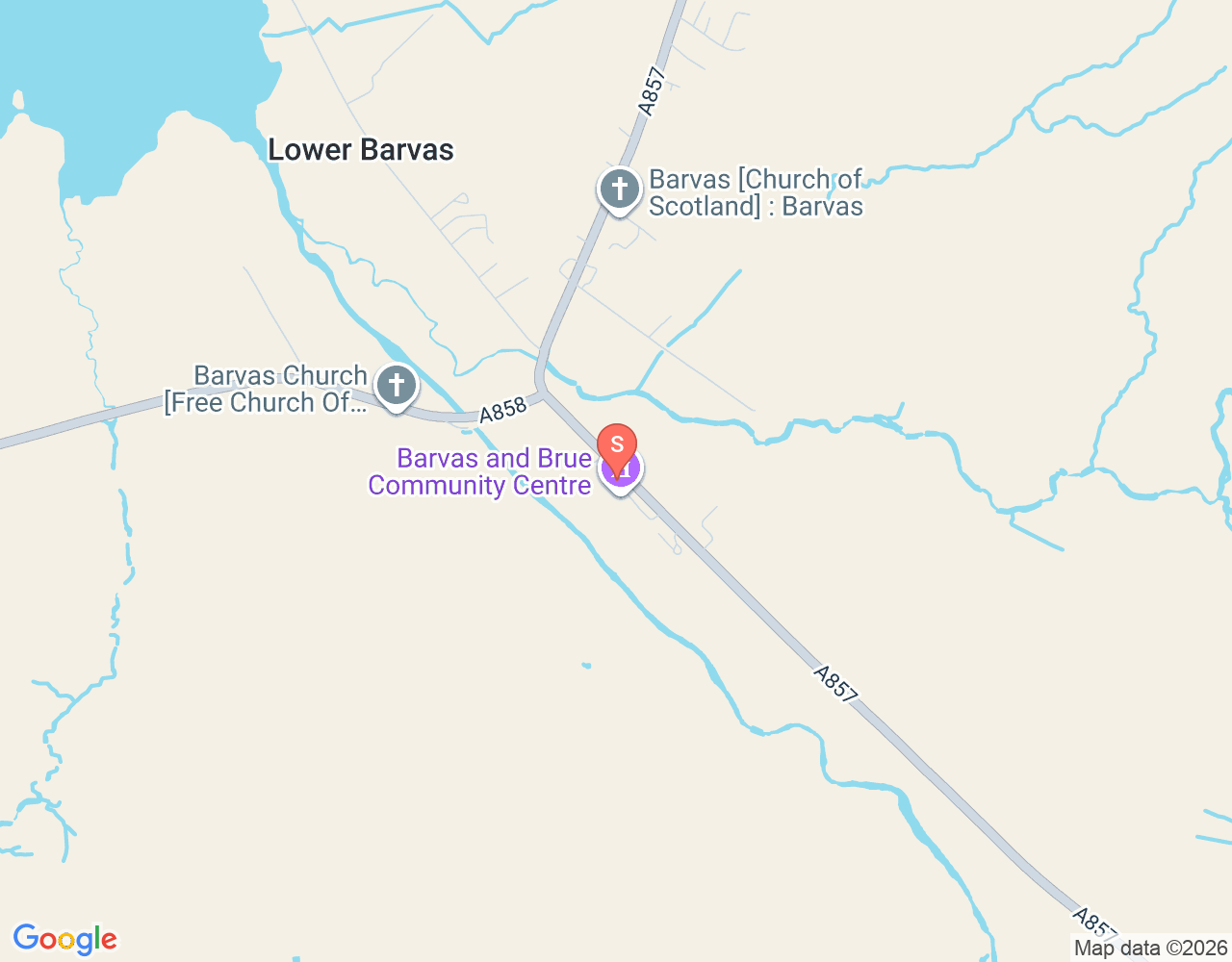
The Hebrides deliver some of the UK's most reliable surf thanks to their Atlantic-facing coastline and exposure to deep-water swells. Conditions stay pumping throughout the year, though autumn and winter bring the most powerful swell periods. The island chain offers a mix of reef breaks, beach breaks, and point breaks scattered across multiple locations, giving surfers plenty of options depending on wind direction and swell size. Water conditions are cold, requiring a proper winter suit or thicker spring suit even in summer months. The Hebridean islands remain relatively uncrowded compared to more accessible UK breaks, rewarding the commitment needed to reach them. Access typically involves ferry services to the main islands, with good accommodation options in larger settlements. The raw, dramatic coastline and frequent swell make this a bucket-list destination for Atlantic swell hunters. Local knowledge helps—conditions can shift rapidly, and certain breaks are best at specific tide and swell combinations.
📖 Guide: Diving in the United Kingdom: 57 Sites From Wrecks to Seals
Best months
Trip essentials
Everything you need before you pack — checklist, sun, logistics.
Trip checklist
- 🛂 Visa-free or visa-on-arrival
- 🏄 Surfboard or rental confirmation
- 🧴 Reef-safe sunscreen SPF 50+
- 🔌 Plug type G · 230V adapter
- 💊 Seasickness meds + ear drops
- 📱 Offline maps + emergency contact
Quick facts
- 🌓 Moon First quarter · 48%
- GPS
› Sustainability disclosures
FAQ
›When is the best time to surf the Hebrides?
Swell is consistent year-round. Autumn and winter (September–February) bring the biggest, most powerful swells. Spring and summer offer smaller, more manageable conditions and slightly warmer water, making them ideal for beginners or those avoiding crowds and extreme conditions.
›What's the difficulty level for Hebridean breaks?
Breaks vary. Beach breaks suit beginners and intermediate surfers. Reef and point breaks range from intermediate to advanced, especially during larger winter swells. Cold water and exposure to Atlantic weather add complexity regardless of break type.
›What marine life might I see?
The Hebrides support rich coastal ecosystems. Seals, dolphins, and porpoises are commonly spotted in waters surrounding the breaks. Seabirds including eagles and puffins frequent the cliffs and islands. Fish diversity supports strong swell generation and healthy local conditions.
›How do I access the Hebrides for surfing?
Ferry services connect the Scottish mainland to the main Hebridean islands. Plan ahead for seasonal timetable changes. Once on the islands, breaks are accessible by road or short hikes. Accommodation ranges from guesthouses to self-catering cottages. No permits required for surfing, but respect local access and private land.