About this spot
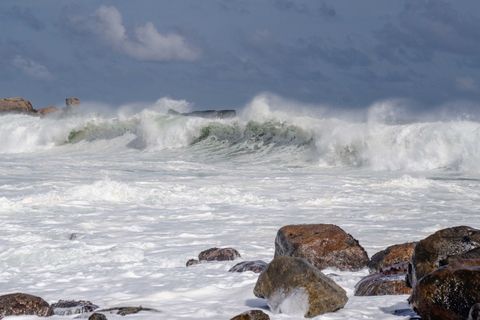
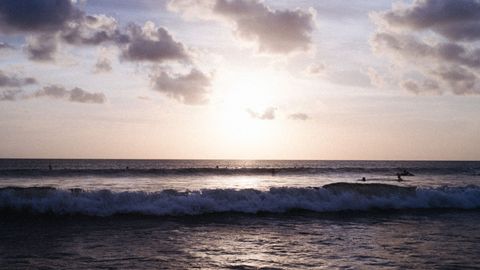
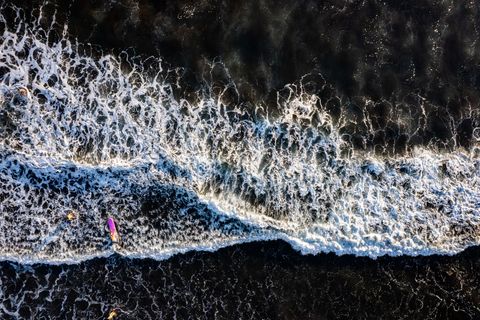
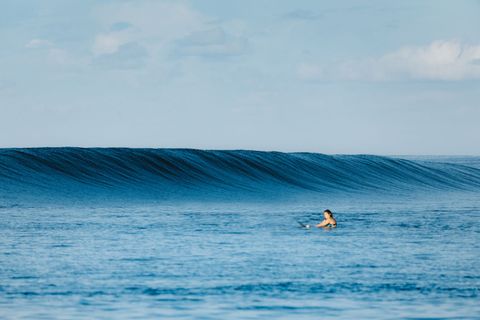
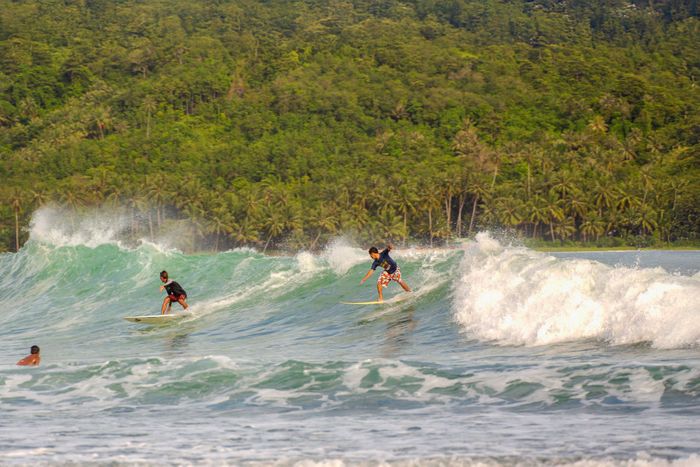
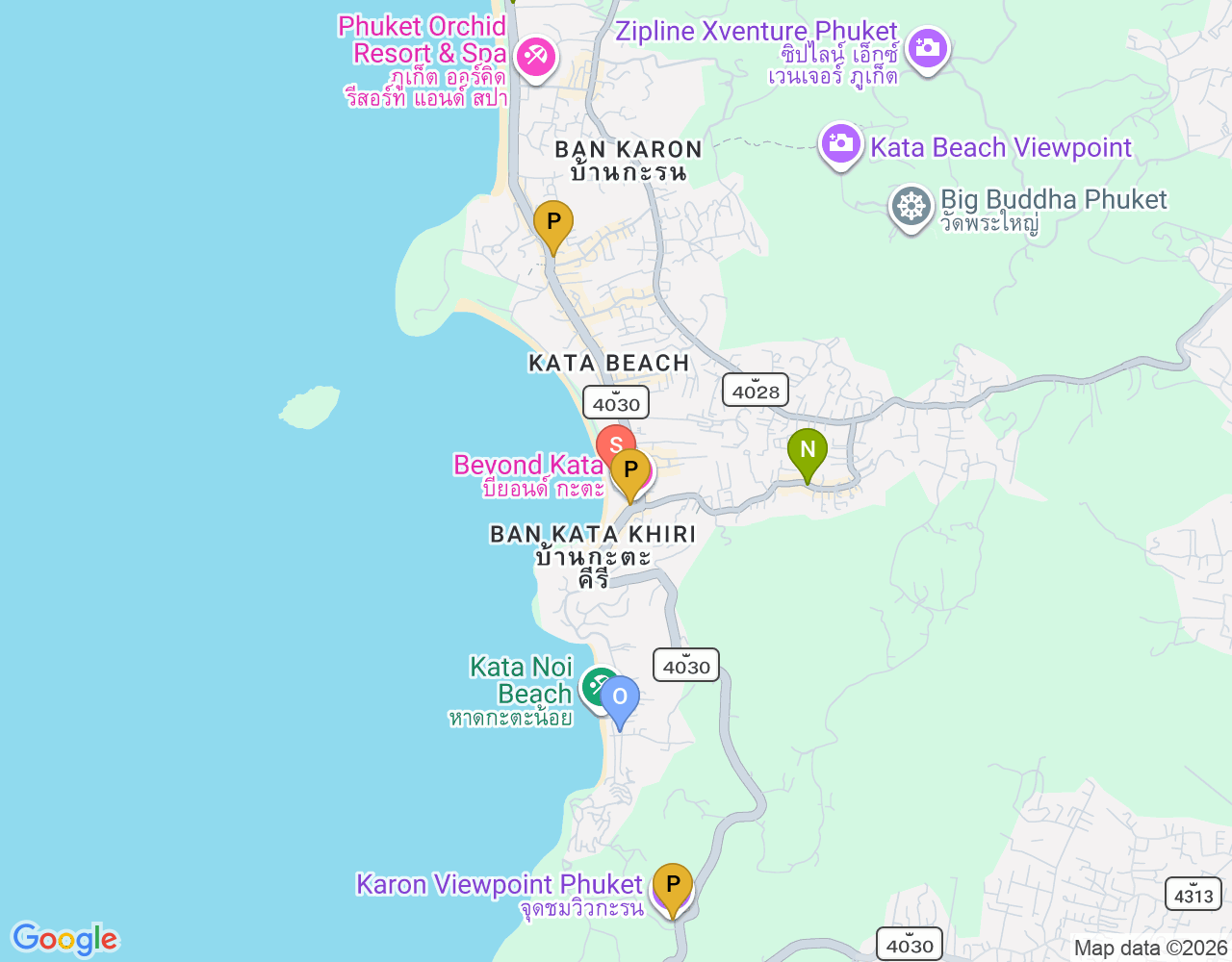
Hat Kata sits on Phuket's southwestern shore, a working beach break that peels across sand and shallow reef. The spot handles swells year-round, though winter months (November–February) typically bring cleaner, more organized waves. Summer swells come from the southwest, creating shorter, choppier conditions but keeping the break alive when other Thai spots close out. The beach itself is accessible and developed, with easy entry and natural channel formations that help paddlers reach the lineup without fighting white water. Wave heights range from knee-high on slow days to overhead on good swells. The break works best on mid-tide pushes; low water can expose rocks and coral rubble along the shoulder. Hat Kata draws a mix of local surfers and tourists learning the craft. The shallow, forgiving nature of the break makes it popular with beginners, though stronger swells attract intermediate surfers seeking more punch. The area surrounding the beach offers food, accommodation, and rental shops within walking distance, making session logistics straightforward. No marine protected area designation means access is unrestricted. Seabed composition includes sand, reef patches, and scattered rocks—inspect conditions before first paddle-out.
📖 Guide: Diving in Thailand: 73 Sites from Whale Sharks to Shallow Reefs
Best months
Dive types
Trip essentials
Everything you need before you pack — checklist, sun, logistics.
Trip checklist
- 🛂 Visa-free or visa-on-arrival
- 🏄 Surfboard or rental confirmation
- 🧴 Reef-safe sunscreen SPF 50+
- 🔌 Plug type A/B/C · 220V adapter
- 💊 Seasickness meds + ear drops
- 📱 Offline maps + emergency contact
Quick facts
- 🌓 Moon First quarter · 48%
- GPS
› Sustainability disclosures
From your departure country
- Visa: Visa on arrival · 30 days max
- Flight: 11h · direct
- Jet-lag: 12h east · 8 days recovery
FAQ
›What's the best time to surf Hat Kata?
November through February brings the cleanest, most organized swells. The break is rideable year-round, but summer months (May–September) tend toward smaller, choppier conditions from southwest swell.
›Is Hat Kata good for beginners?
Yes. Shallow water and forgiving beach-break conditions make it ideal for learning. Avoid very low tide when rocks and reef edges become hazardous.
›What marine life should I expect?
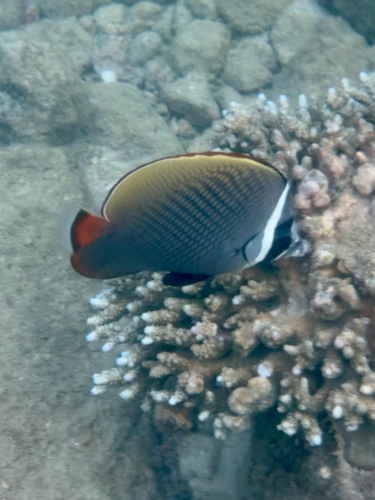
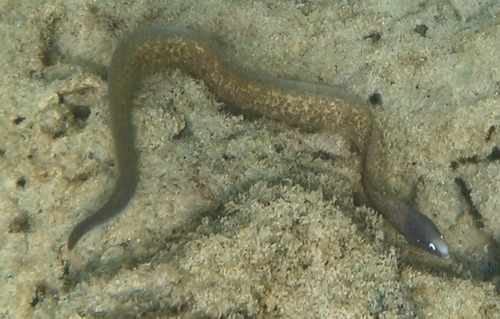
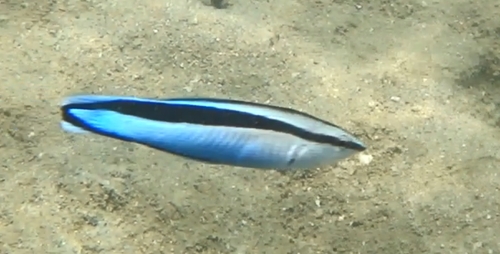
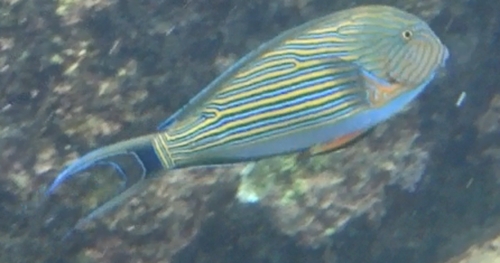
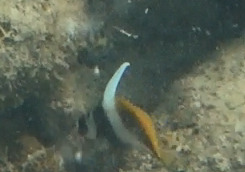
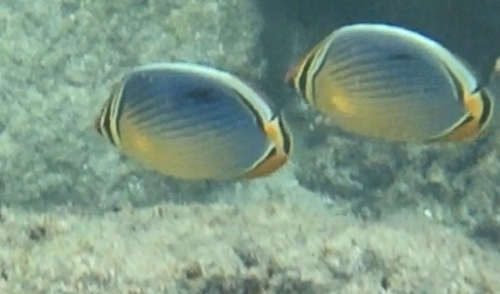
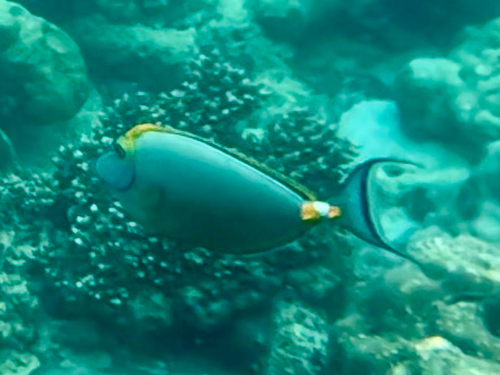
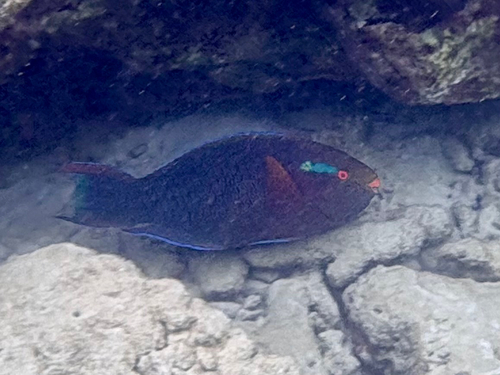
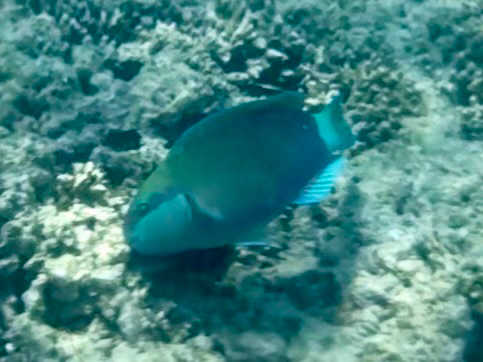
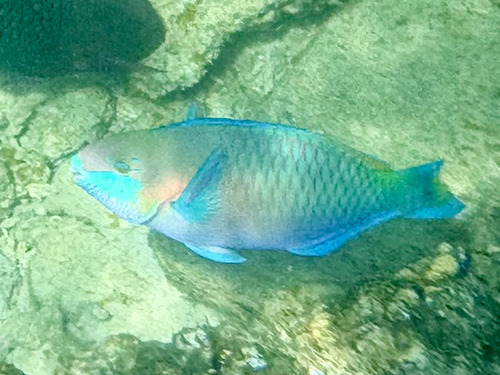
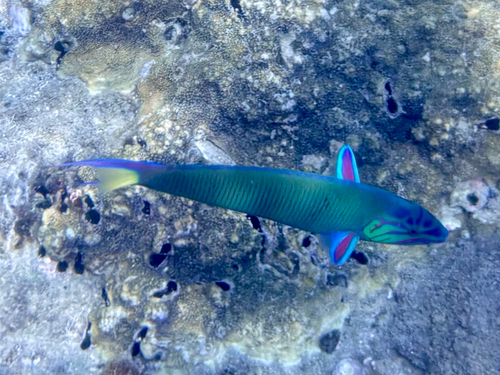
Phuket's coastal waters host tropical fish, rays, and occasionally sea turtles. Local species observations are documented; always respect marine life and keep distance from any turtle sightings.
›Do I need permits or certifications to surf here?
No special permits are required. Hat Kata is public beach access. Respect local conditions, other surfers, and any seasonal closures posted by authorities.