About this spot
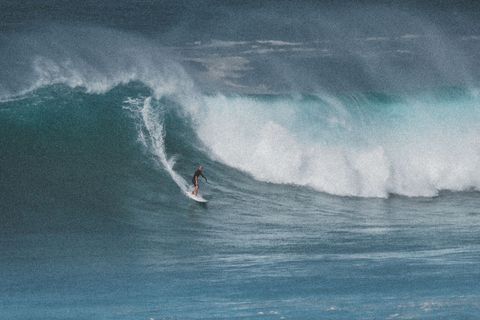
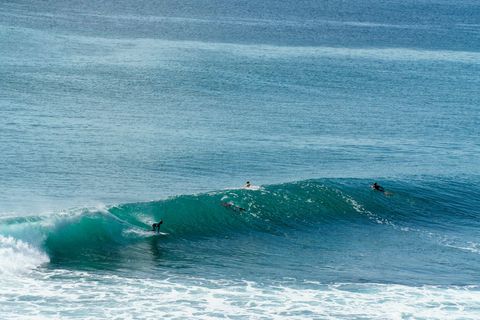
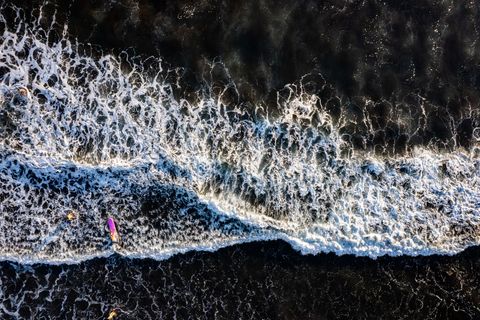
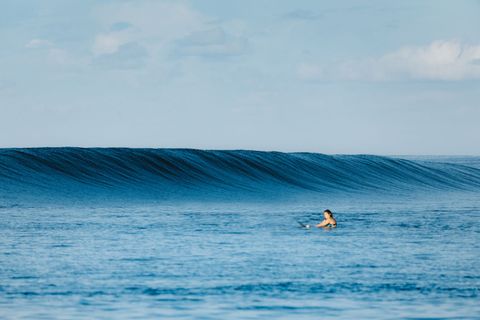
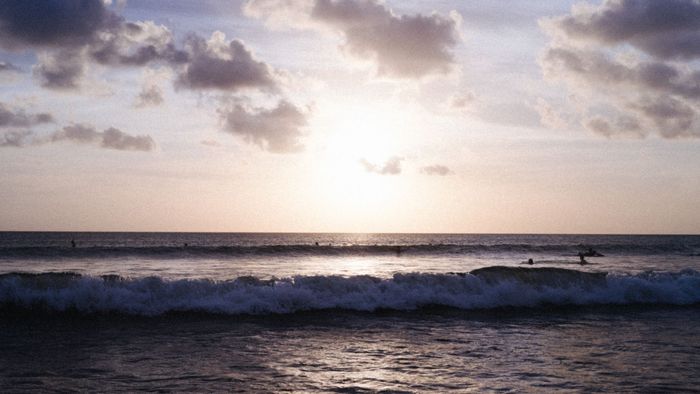
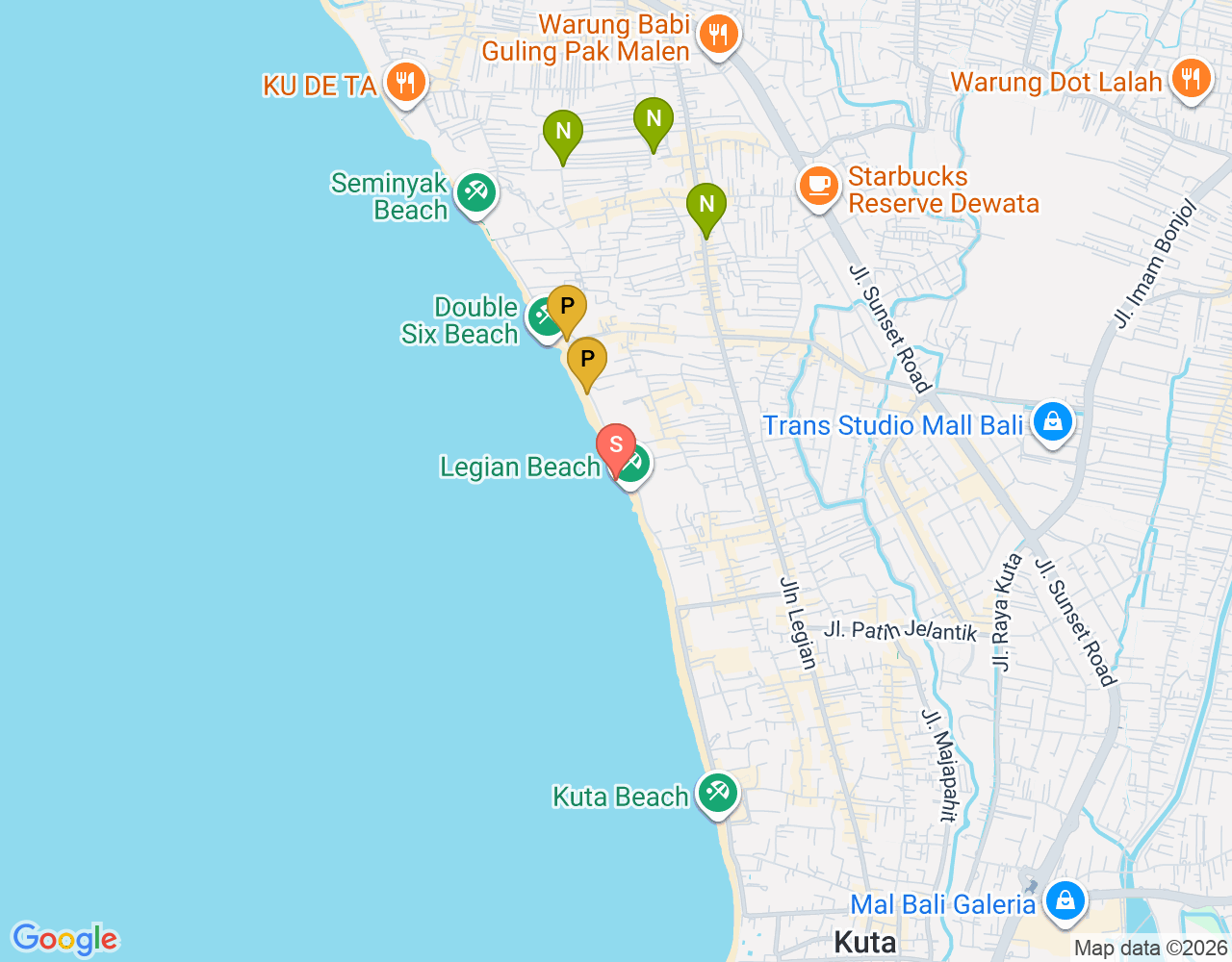
Legian Beach sits on Bali's southwestern shore and draws surfers throughout the year, making it one of Indonesia's most reliable wave zones. The break works on both reef and sand, offering options for beginners learning in smaller swells and intermediates seeking more challenge during bigger sets. The beach itself stays busy with both locals and travelers, and the surrounding area has straightforward access to accommodations, food, and equipment rentals. Conditions shift with the season—dry months typically bring larger swells from the Indian Ocean, while wet season brings smaller but often cleaner waves. Legian's reef breaks can hold serious size, but beach breaks nearby offer gentler entry points for newer surfers. The water is warm year-round, keeping boardshorts light and sessions long. Currents and crowd density vary by tide and time of day; dawn sessions tend to be less packed. The vibe is welcoming to visitors at all levels, though respect for local surfers and knowledge of your own ability matters. Legian remains one of Bali's most documented spots, with plenty of footage and guides available to scope conditions before you paddle out.
📖 Guide: Diving in Indonesia: 323 Sites, Mantas to Micro-critters
Best months
Dive types
Trip essentials
Everything you need before you pack — checklist, sun, logistics.
Trip checklist
- 🛂 Visa-free or visa-on-arrival
- 🏄 Surfboard or rental confirmation
- 🧴 Reef-safe sunscreen SPF 50+
- 🔌 Plug type C/F · 230V adapter
- 💊 Seasickness meds + ear drops
- 📱 Offline maps + emergency contact
Quick facts
- 🌓 Moon First quarter · 49%
- GPS
› Sustainability disclosures
From your departure country
- Visa: Visa on arrival · 30 days max
- Flight: 12h · direct
- Jet-lag: 12h east · 8 days recovery
FAQ
›What's the best time to surf Legian Beach?
Legian works year-round. Dry season (April–October) typically brings more powerful, consistent swells from the Indian Ocean. Wet season (November–March) produces smaller, often cleaner waves and fewer crowds, though humidity rises. Your ideal window depends on your skill level and preference for wave size.
›What difficulty level is Legian?
Legian suits multiple abilities. Beach breaks are forgiving for beginners, while reef sections hold larger swells and offer a step up for intermediate and advanced surfers. Tides, currents, and crowding can change conditions quickly, so know your limits and watch the break before entering.
›What marine life should I expect?
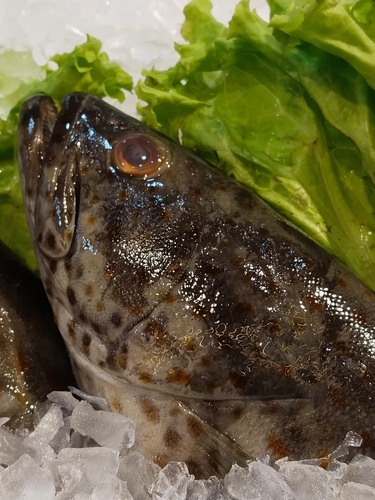
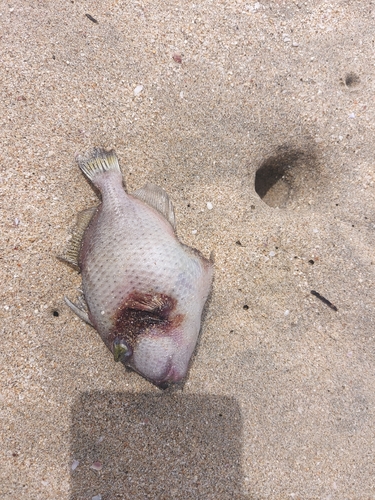
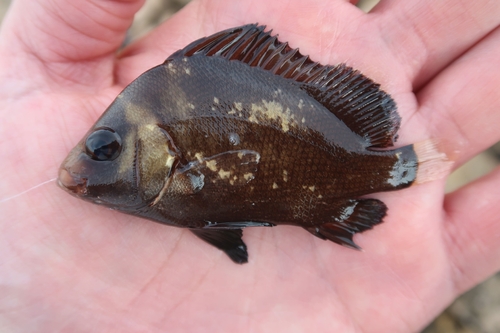
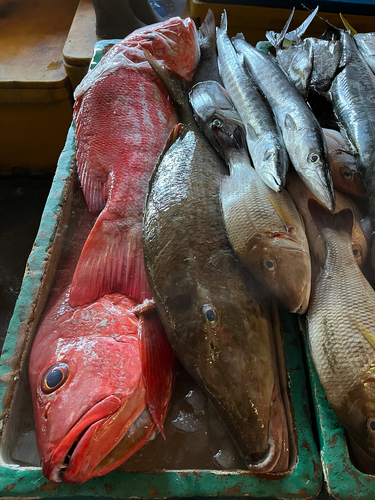
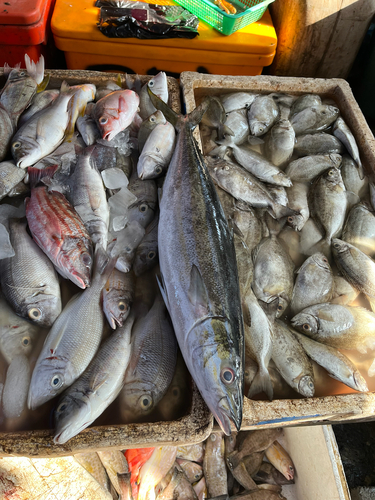
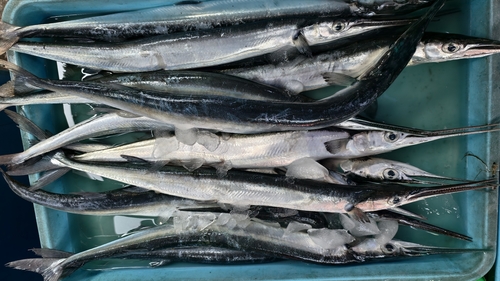
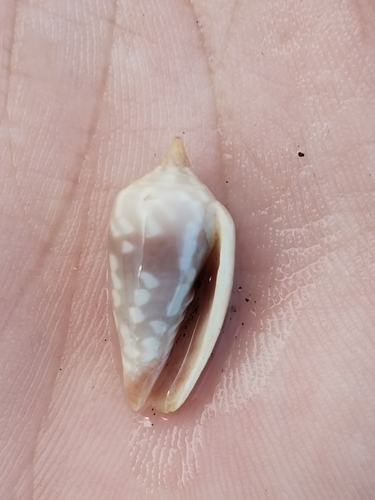
Bali's waters host tropical fish, sea turtles, rays, and reef sharks—most non-aggressive. Respect local marine reserves and avoid touching coral. Visibility and species presence vary by tide, season, and swell direction. Community observations near Legian have documented at least 12 species in the area.
›How do I access Legian Beach?
Legian is easily reached from Denpasar via taxi, scooter, or rental car—roughly 20–30 minutes depending on traffic. No special permit is required for surfing. The beach has public access points, parking, and a strong tourism infrastructure with nearby shops and guides who can advise on current conditions.