About this spot
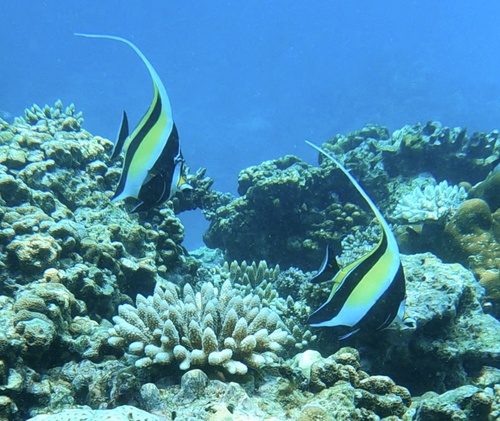
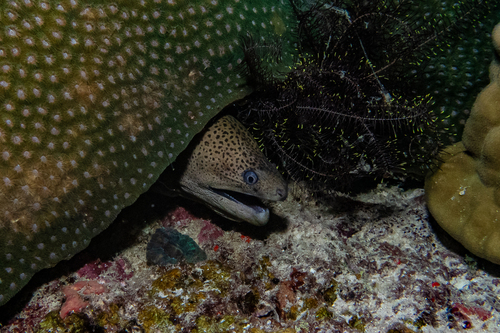
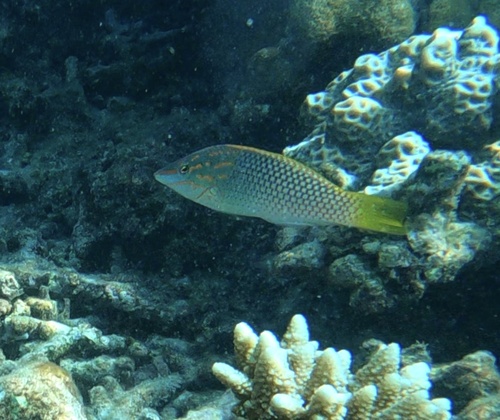
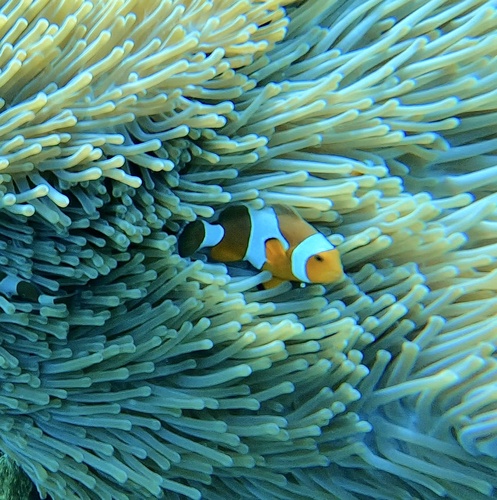
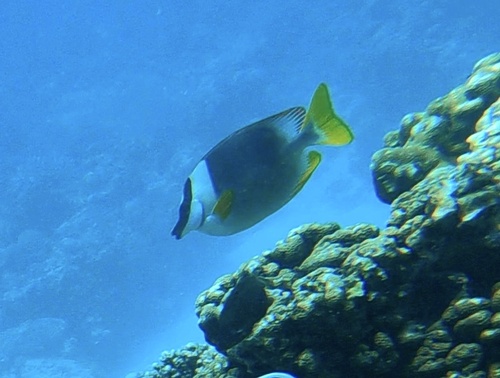
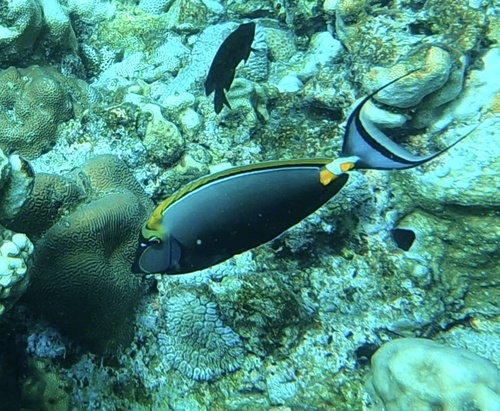
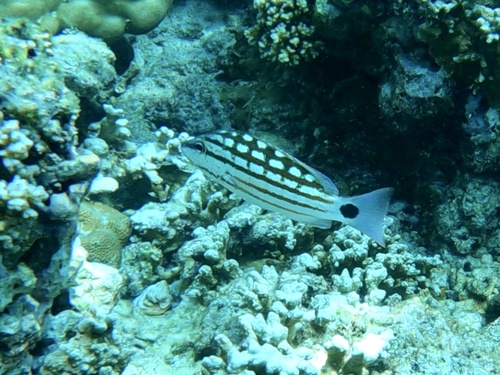
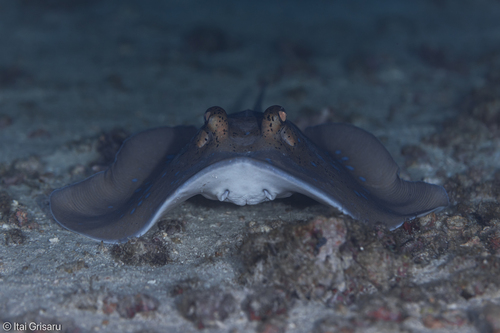
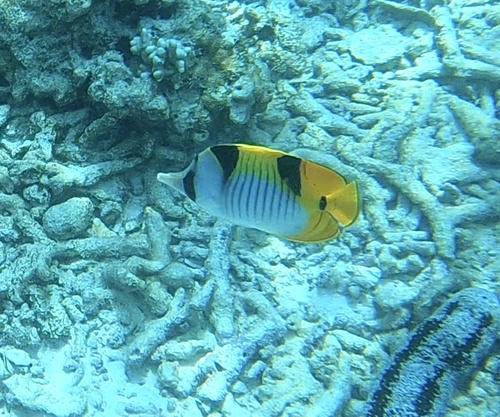
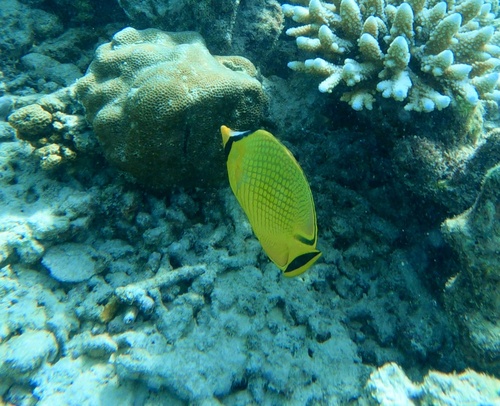
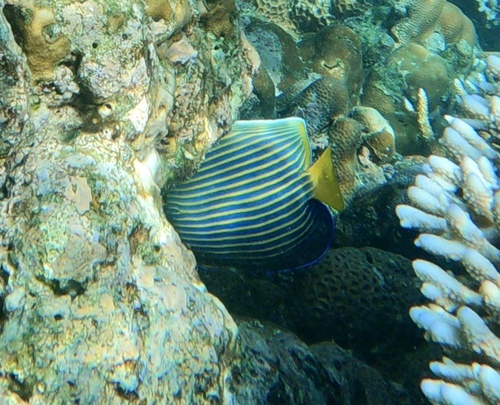
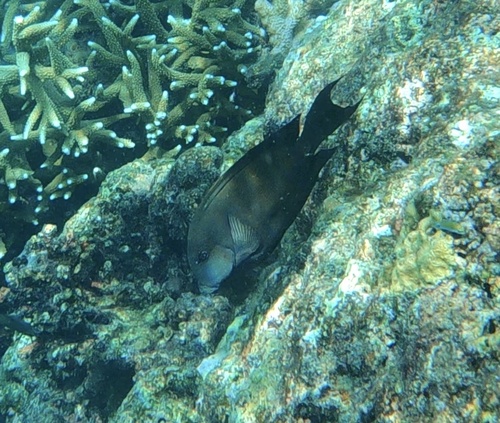
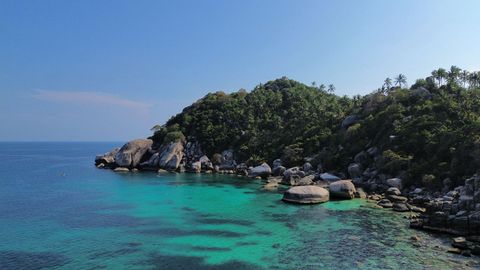
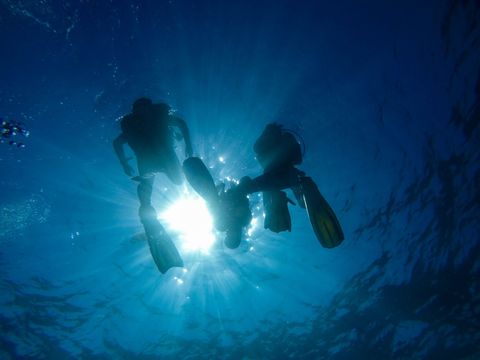
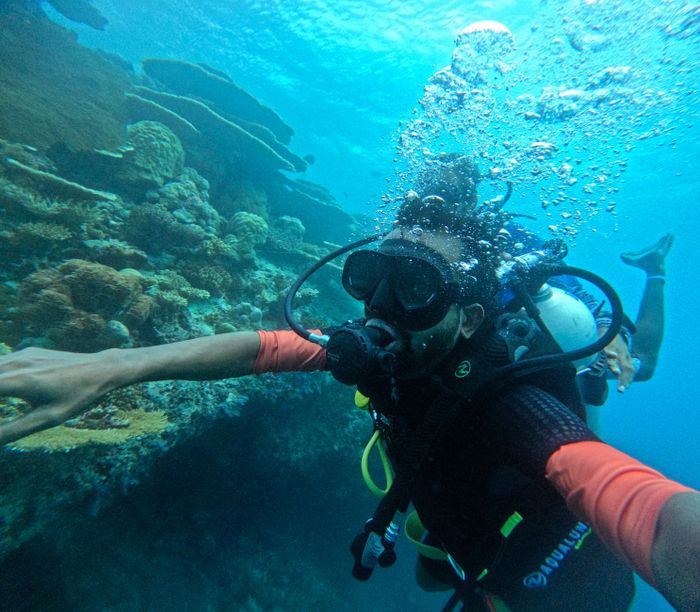
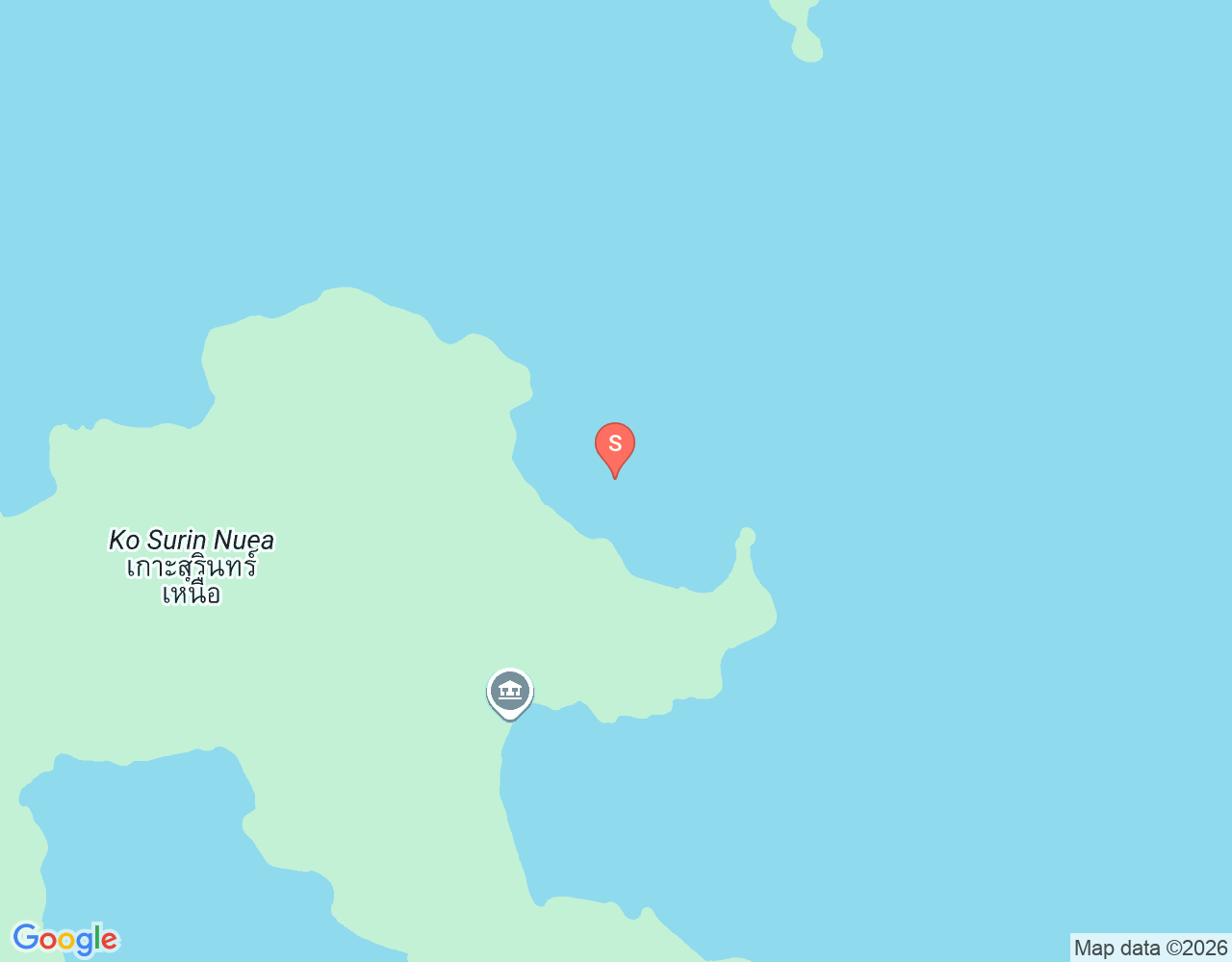
Jaak Bay, also called Chak Bay, sits on Thailand's coast as an accessible diving spot open year-round. The bay attracts divers seeking encounters with recorded marine species in its waters. Local conditions support diving throughout the year, making it a flexible choice for travel planning. The area hosts documented species observations useful for marine life spotters and naturalists. Community videos from the site give insight into what to expect underwater. While specific depth and visibility data aren't widely published, the bay remains popular among divers exploring Thailand's lesser-known coastal regions. Coral health in the area shows warning signs, reflecting broader regional stress. This makes responsible diving practices important—stay neutral buoyancy, avoid touching substrate, and respect marine life. Jaak Bay sits outside marine protection areas, but conservation-minded diving helps preserve what remains.
📖 Guide: Diving in Thailand: 73 Sites from Whale Sharks to Shallow Reefs
Best months
Dive types
Trip essentials
Everything you need before you pack — checklist, sun, logistics.
Trip checklist
- 🛂 Visa-free or visa-on-arrival
- 📜 C-card + dive insurance (DAN)
- 📔 Dive logbook
- 🧴 Reef-safe sunscreen SPF 50+
- 🔌 Plug type A/B/C · 220V adapter
- 💊 Seasickness meds + ear drops
- 📱 Offline maps + emergency contact
Quick facts
- 🌓 Moon First quarter · 47%
- GPS
› Sustainability disclosures
From your departure country
- Visa: Visa on arrival · 30 days max
- Flight: 11h · direct
- Jet-lag: 12h east · 8 days recovery
FAQ
›When is the best time to dive Jaak Bay?
Jaak Bay is diveable year-round, so timing depends on your schedule rather than seasonal closures. Check local weather patterns before booking to confirm sea conditions.
›What marine life can you see here?
Twelve species have been recorded at Jaak Bay. Community videos and local dive logs provide the best detail on what species are actively seen. Check current reports from recent divers.
›Is Jaak Bay protected or restricted?
Jaak Bay lies outside marine protected areas, so standard Thailand diving permits and regulations apply. Always dive with respect for coral and marine life given the region's coral bleaching warnings.
›What should I know before diving here?
Coral in the region shows warning-level bleaching stress. Practice neutral buoyancy, avoid contact with coral, and follow Leave No Trace principles. Watch community videos for recent dive reports and conditions.