About this spot
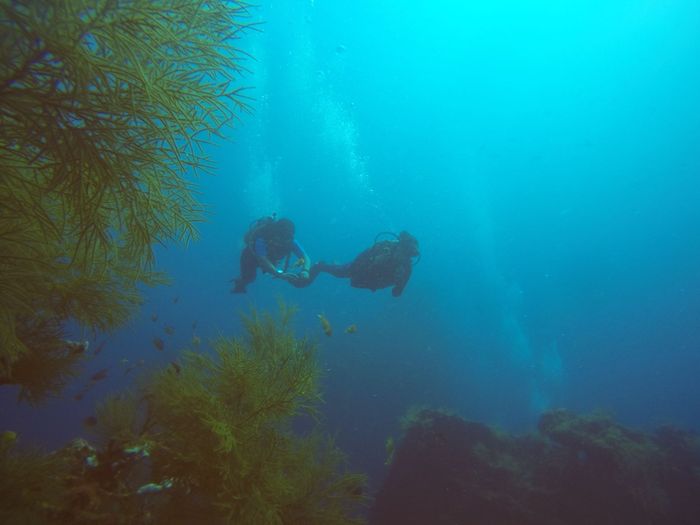
Mtangani Wall near Pemba drops steeply from shallow reef into the blue, making it a serious undertaking for experienced divers. The wall itself is the main draw—hard coral coverage and rock formations create a natural highway for pelagic fish and occasional larger species. Depths range from 18m at the lip to 50m and beyond, so you'll need excellent buoyancy control and a solid rescue diver on the team. Currents can run strong here, which is why the wall attracts feeding aggregations. Plan for a drift descent and keep your eye on your buddy and air consumption. The reef structure varies with depth: shallower sections hold smaller reef fish and invertebrates, while the blue drop-off is where larger predators patrol. Nitrogen narcosis becomes a real factor below 40m, so conservative profiles are smart. Access depends on operator boats out of Pemba Island. The site sits outside a marine protected area, which can mean variable dive traffic. Conditions are reported to be good year-round, though seasonal weather patterns in the Mozambique Channel mean planning ahead is essential. This is not a beginner's playground—bring deep-dive experience and nitrox certification if available.
📖 Guide: Diving in Tanzania: 11 Sites from Manta Rays to Deep Walls
Best months
Dive types
Trip essentials
Everything you need before you pack — checklist, sun, logistics.
Trip checklist
- 🛂 Visa-free or visa-on-arrival
- 📜 C-card + dive insurance (DAN)
- 📔 Dive logbook
- 🧴 Reef-safe sunscreen SPF 50+
- 🔌 Plug type D/G · 230V adapter
- 💊 Seasickness meds + ear drops
- 📱 Offline maps + emergency contact
Quick facts
- 🌓 Moon First quarter · 47%
- GPS
› Sustainability disclosures
From your departure country
- Visa: Visa on arrival · 30 days max
- Flight: 11h · with connection
- Jet-lag: 8h east · 6 days recovery
FAQ
›When is the best time to dive Mtangani Wall?
Year-round diving is reported possible, though Pemba's season and the Mozambique Channel weather patterns affect logistics. Dry season (June–October) typically offers calmer seas and easier boat access.
›What depth and difficulty should I expect?
Mtangani is an advanced dive. The wall starts at 18m but drops to 50m and deeper. Strong currents, nitrogen narcosis risk, and limited bottom time demand deep-diving experience and excellent buoyancy control.
›What marine life is found here?
The wall attracts pelagic fish, larger predators, and schooling species drawn by current-driven feeding. Shallow sections hold reef fish and invertebrates. Exact species composition varies seasonally.
›How do I access this dive site?
Access is via liveaboard or day boats operating out of Pemba Island. The site is outside an MPA, so operator availability and conditions should be confirmed before travel. Tanzania may require dive permits—check local regulations.