About this spot
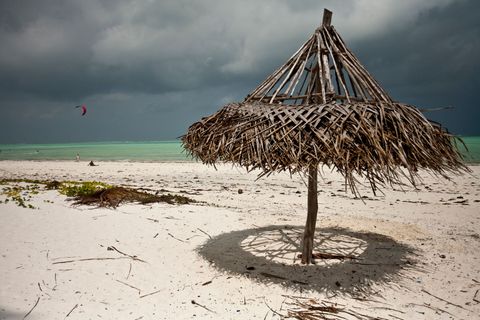
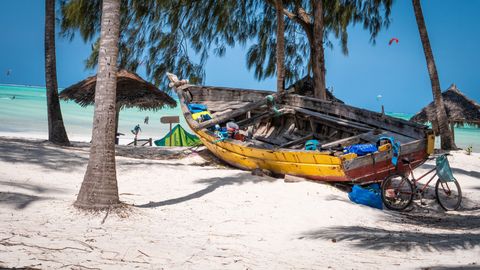
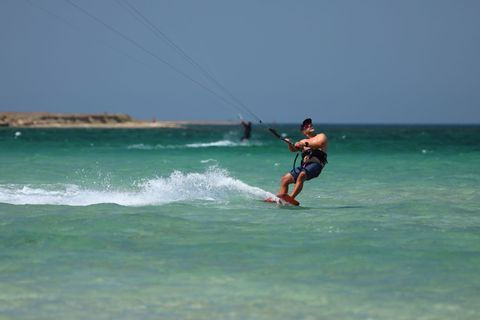
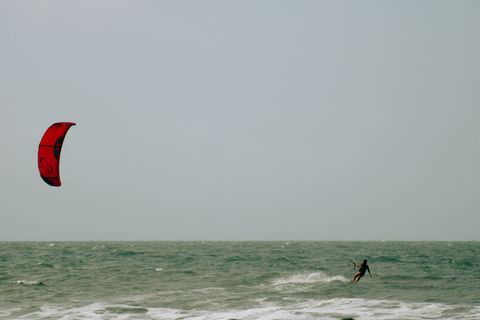
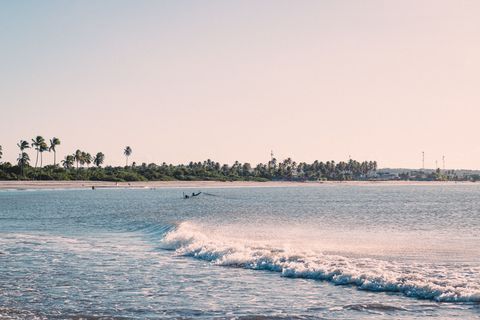
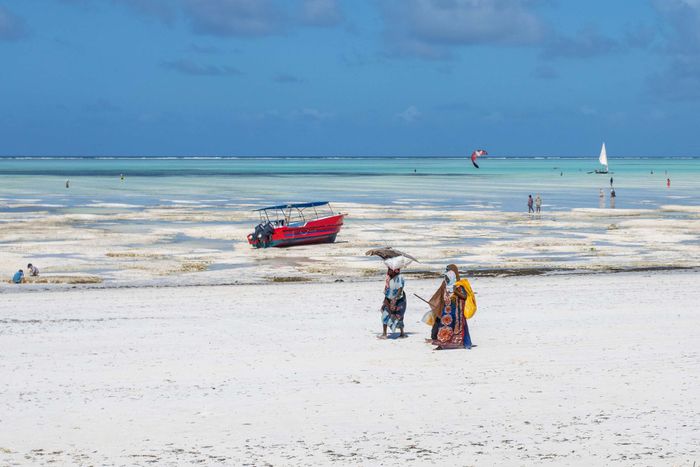
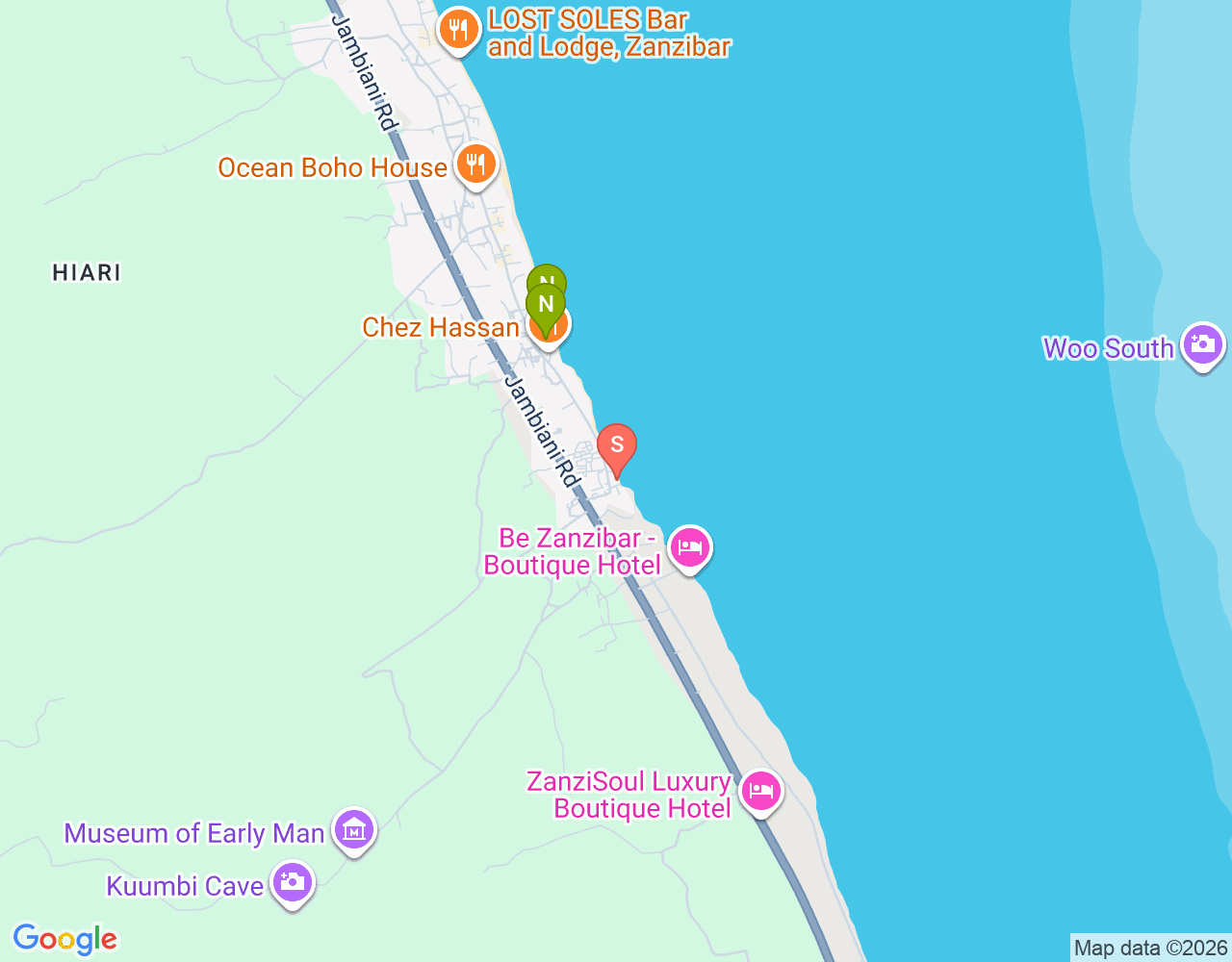
Jambiani on Zanzibar's east coast is a natural kite launch. The beach faces the Indian Ocean swell window but sits protected by the offshore reef system, which flattens the water close to shore and creates ideal learning conditions. The sandy bottom extends far out—you can walk out 200 meters and still be knee-deep—giving you room to work without boat support or rescue concerns. Wind runs year-round here. The main season (July–October) brings stronger, steadier thermal and trade patterns, but shoulder months remain reliable enough for progression. Water stays warm enough to kite in boardshorts; there's no seasonal chill. The lack of a major marine protected area means cleaner access, though you'll share the shallow zone with local fishing boats at dawn and dusk. The village has basic tourism infrastructure—guesthouses and small eateries cater to the beach crowd. Zanzibar International Airport is a two-hour transfer away. Launch from Jambiani beach itself; most riders stage from the southern end where sand meets rock and shade is available. Conditions stay choppy only on the windiest days; mornings are often glassy until the sea-breeze kicks in around 10 a.m.
📖 Guide: Diving in Tanzania: 11 Sites from Manta Rays to Deep Walls
Best months
Marine life
Dive types
Trip essentials
Everything you need before you pack — checklist, sun, logistics.
Trip checklist
- 🛂 Visa-free or visa-on-arrival
- 🤿 Pack: 3/2 mm shorty
- 🪁 IKO/VDWS card if booking lessons
- 🧴 Reef-safe sunscreen SPF 50+
- 🔌 Plug type D/G · 230V adapter
- 💊 Seasickness meds + ear drops
- 📱 Offline maps + emergency contact
Quick facts
- 🌓 Moon First quarter · 47%
- 🤿 Wetsuit 3/2 mm shorty
- GPS
› Sustainability disclosures
From your departure country
- Visa: Visa on arrival · 30 days max
- Flight: 11h · with connection
- Jet-lag: 8h east · 6 days recovery
FAQ
›When is the best time to kite here?
July through October offers the strongest and most consistent wind. June and November are solid shoulder months. December through May see lighter, more variable thermal wind, but riding is still possible on many days.
›What's the water depth and bottom?
Sand extends for 200+ meters offshore. Most of the launch zone is knee- to waist-deep, sloping gradually. This makes it ideal for beginners and eliminates deep-water recovery issues.
›What marine life might I see?
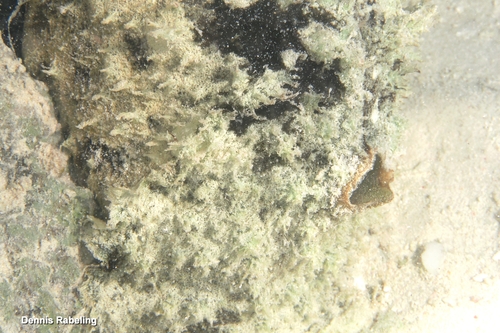
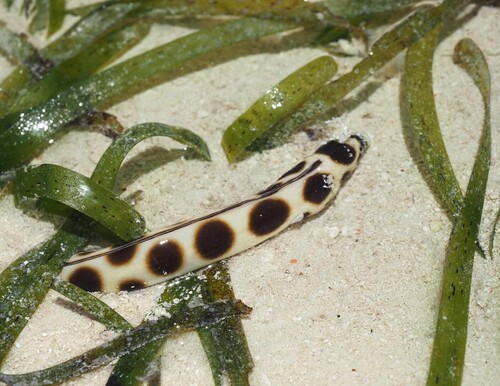
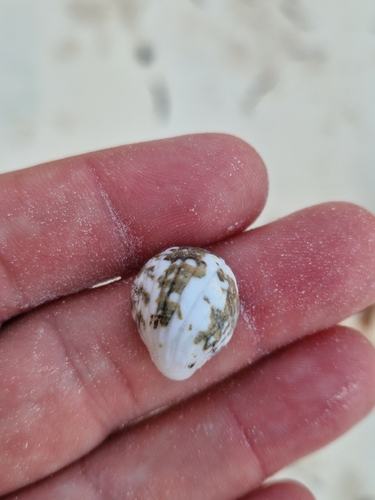
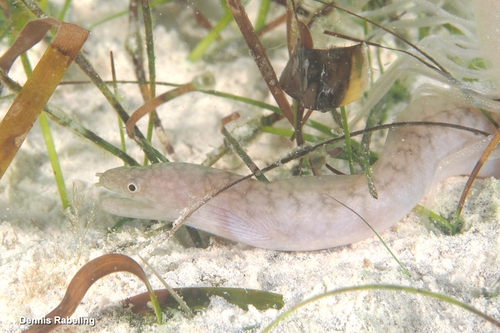
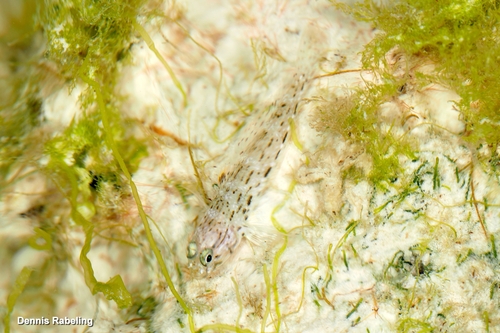
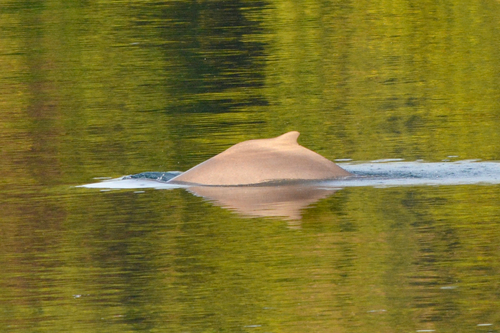
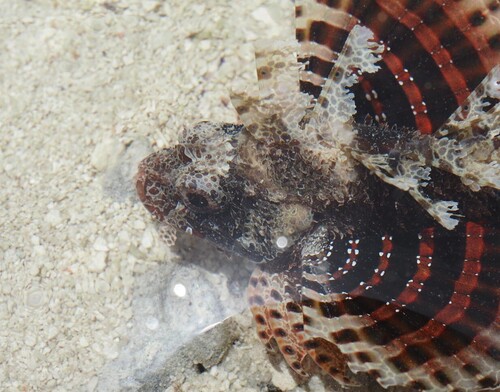
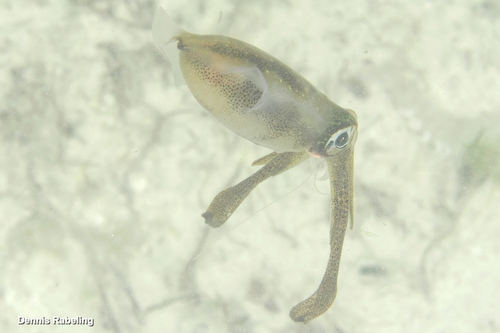
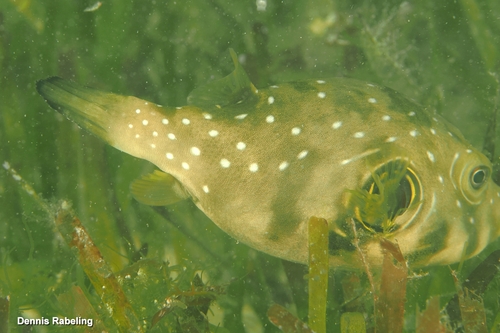
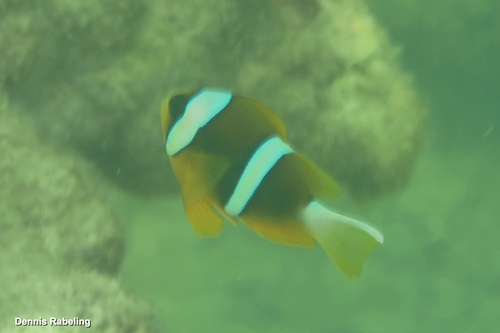
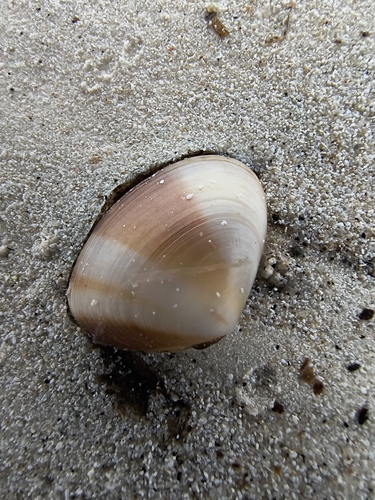
The reef system hosts tropical fish, rays, and occasional turtles in the deeper channels. Community reports document 12 species observations. Shallow-water launch means you're mostly in the sand zone; fish activity increases further out.
›Do I need permits or local permission?
Zanzibar is open to tourists. No marine protected area restrictions apply at Jambiani. Check with your accommodation or a local water-sports operator about any beach-use customs or safety guidance specific to the village.