About this spot
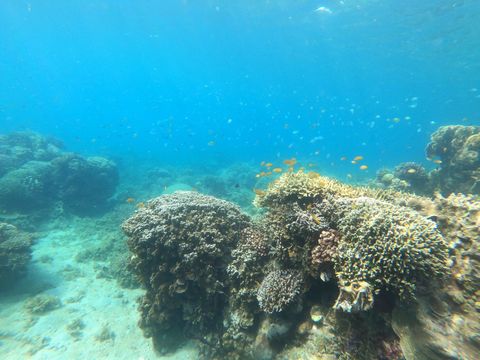
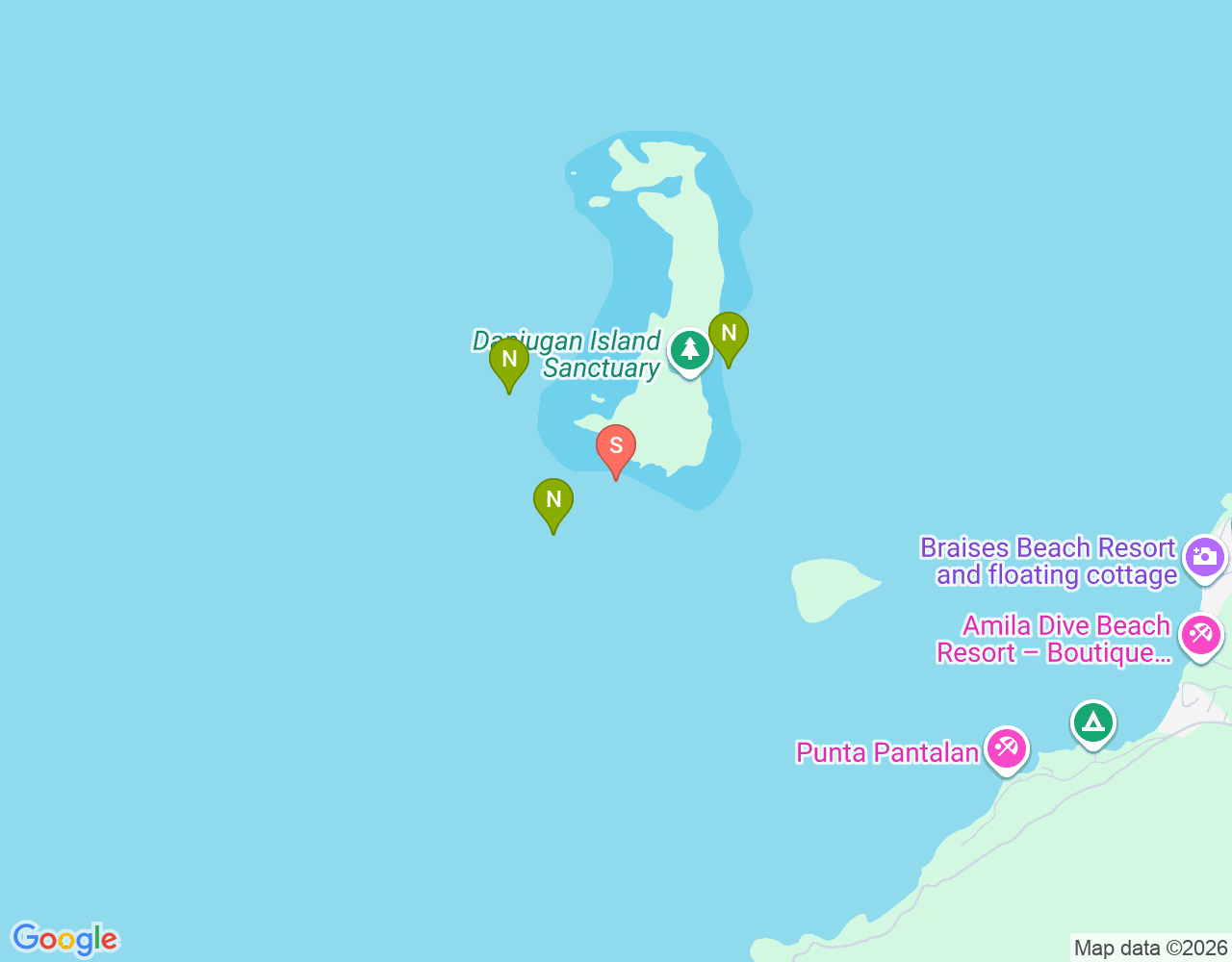
Twin Peaks sits near Danjugan Island, a location known for its ecological diversity and educational value. The site benefits from Danjugan's unique geography, which hosts seven different ecosystem types within close proximity. This variety means divers can experience multiple habitat types—from shallow reefs to deeper structures—without traveling far between dives. The area shows no signs of coral bleaching stress, indicating good reef health. With 12 documented species observations available, the marine life roster includes the typical Philippine reef dwellers. Community video evidence from three separate documentation efforts provides real-world insight into conditions and what to expect underwater. Access and logistics remain straightforward for the Philippines region. The site operates outside a marine protected area, which can simplify permitting compared to some restricted zones. Year-round diving conditions mean you're not locked into a narrow seasonal window—though local water patterns may still favor certain months for optimal visibility or comfort. Danjugan's "classroom" reputation comes from the visible transition zones between its seven ecosystems. This makes Twin Peaks valuable for divers interested in reef ecology and habitat variation, not just novelty-hunting.
📖 Guide: Diving in the Philippines: 119 Sites, Wrecks & Walls Worth the Flight
Best months
Marine life
Dive types
Trip essentials
Everything you need before you pack — checklist, sun, logistics.
Trip checklist
- 🛂 Visa-free or visa-on-arrival
- 📜 C-card + dive insurance (DAN)
- 📔 Dive logbook
- 🧴 Reef-safe sunscreen SPF 50+
- 🔌 Plug type A/B/C · 220V adapter
- 💊 Seasickness meds + ear drops
- 📱 Offline maps + emergency contact
Quick facts
- 🌓 Moon First quarter · 47%
- GPS
› Sustainability disclosures
From your departure country
- Visa: Visa on arrival · 30 days max
- Flight: 12h · direct
- Jet-lag: 11h east · 8 days recovery
FAQ
›When is the best time to dive Twin Peaks?
Twin Peaks is a year-round dive destination. Specific months may offer better visibility or calmer conditions, but reliable dive operations run throughout the year near Danjugan Island.
›What marine life can I expect to see?
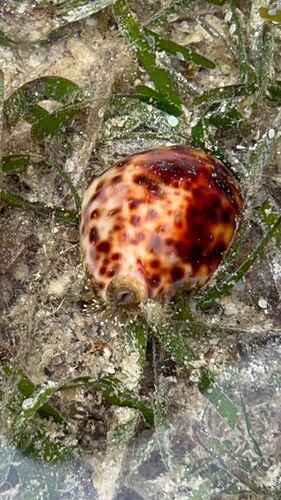
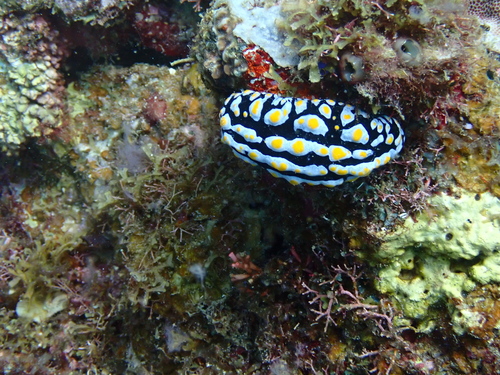
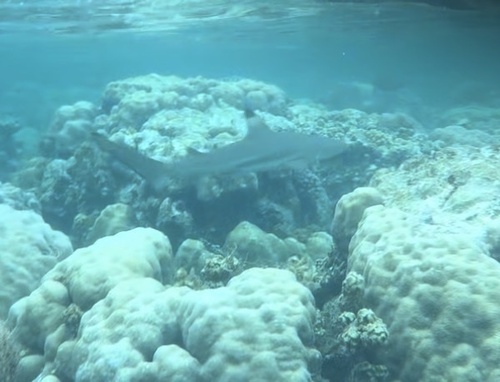
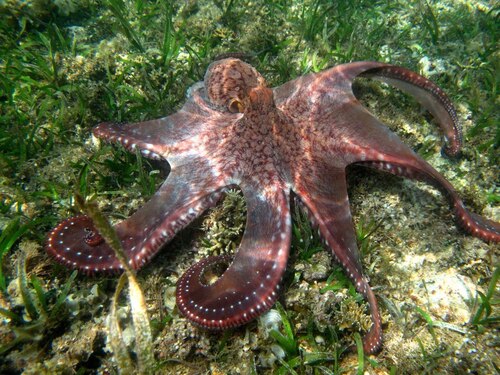
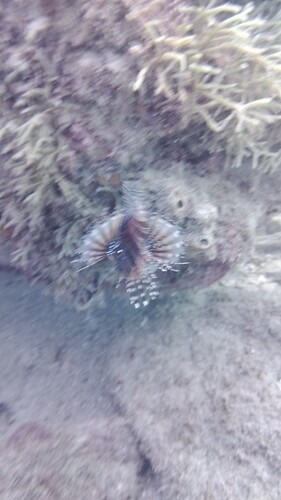
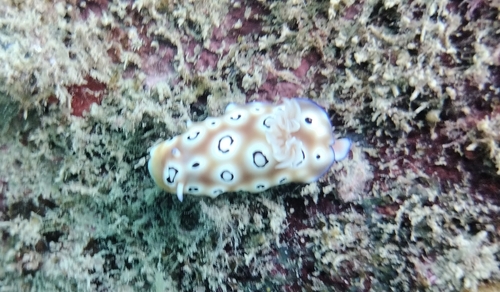
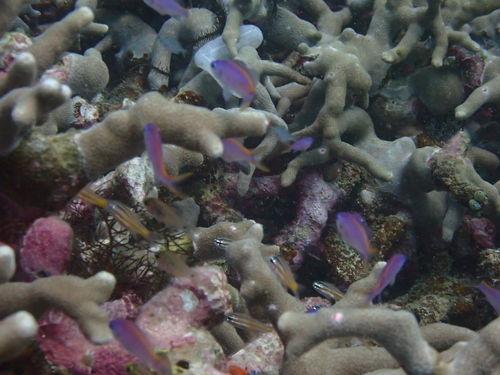
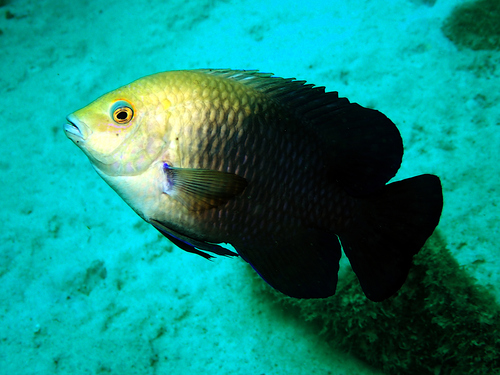
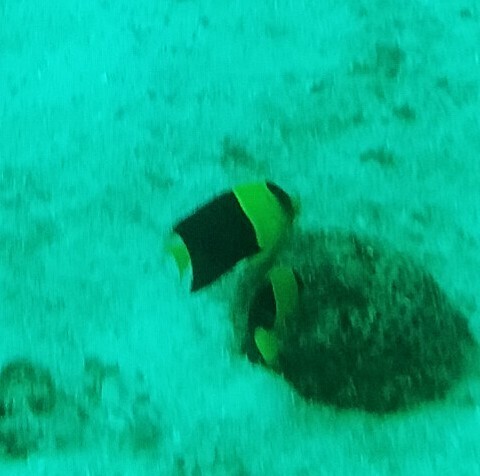
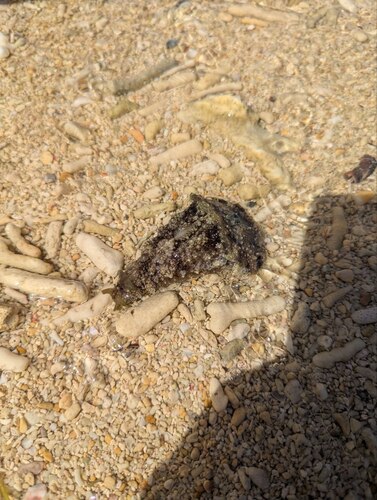
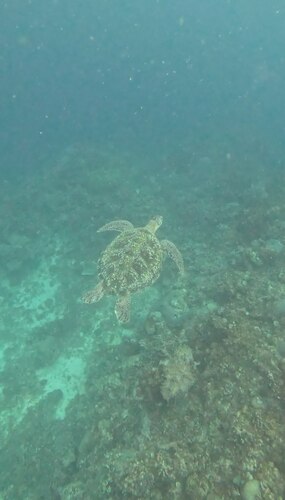
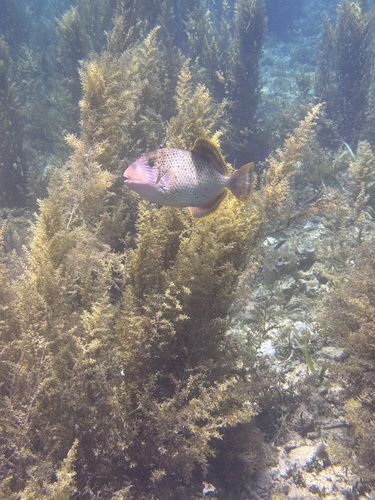
Twelve species observations are documented at the site. You'll encounter typical Philippine reef fish, small fauna, and invertebrates characteristic of the seven ecosystems surrounding Danjugan Island.
›Is Twin Peaks in a protected area?
No, Twin Peaks is not inside a marine protected area, which simplifies access and permitting compared to restricted zones nearby.
›How healthy is the coral?
The reef shows no bleaching stress, indicating good coral health. The seven distinct ecosystems mean varied habitat types and stable environmental conditions.