About this spot
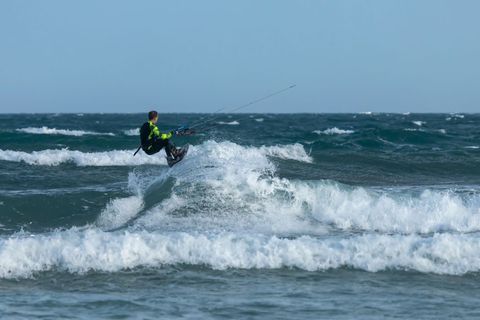
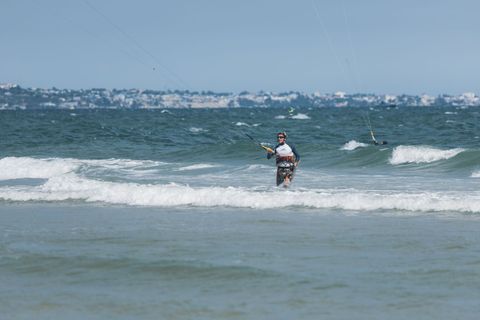
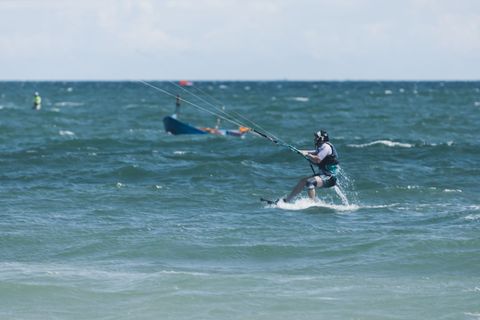
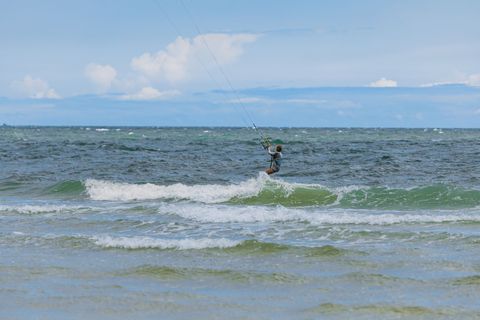
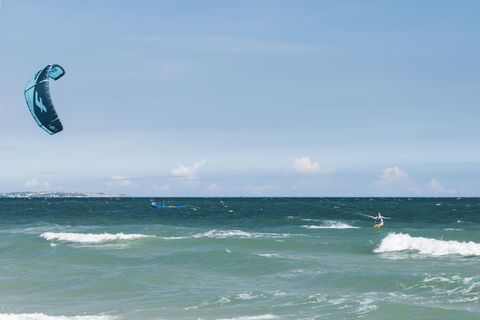
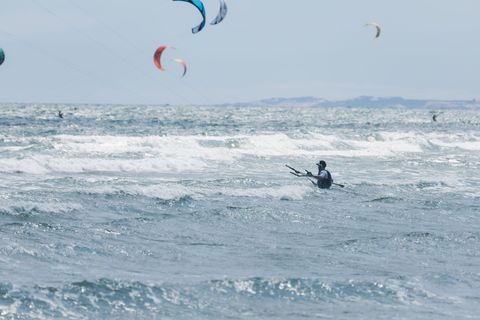
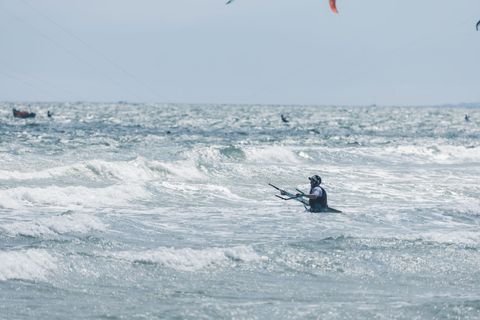
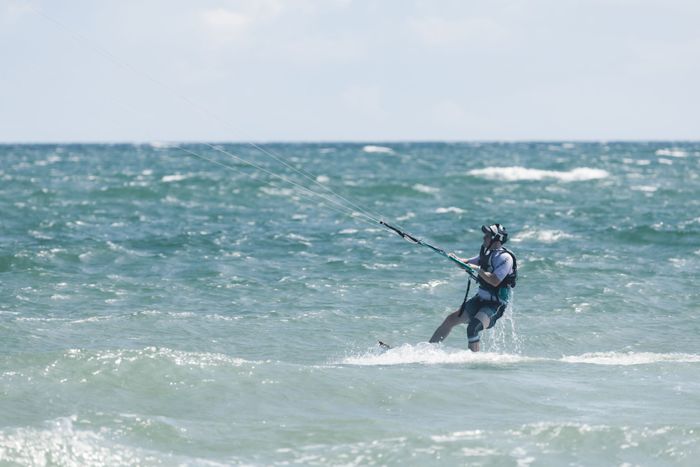
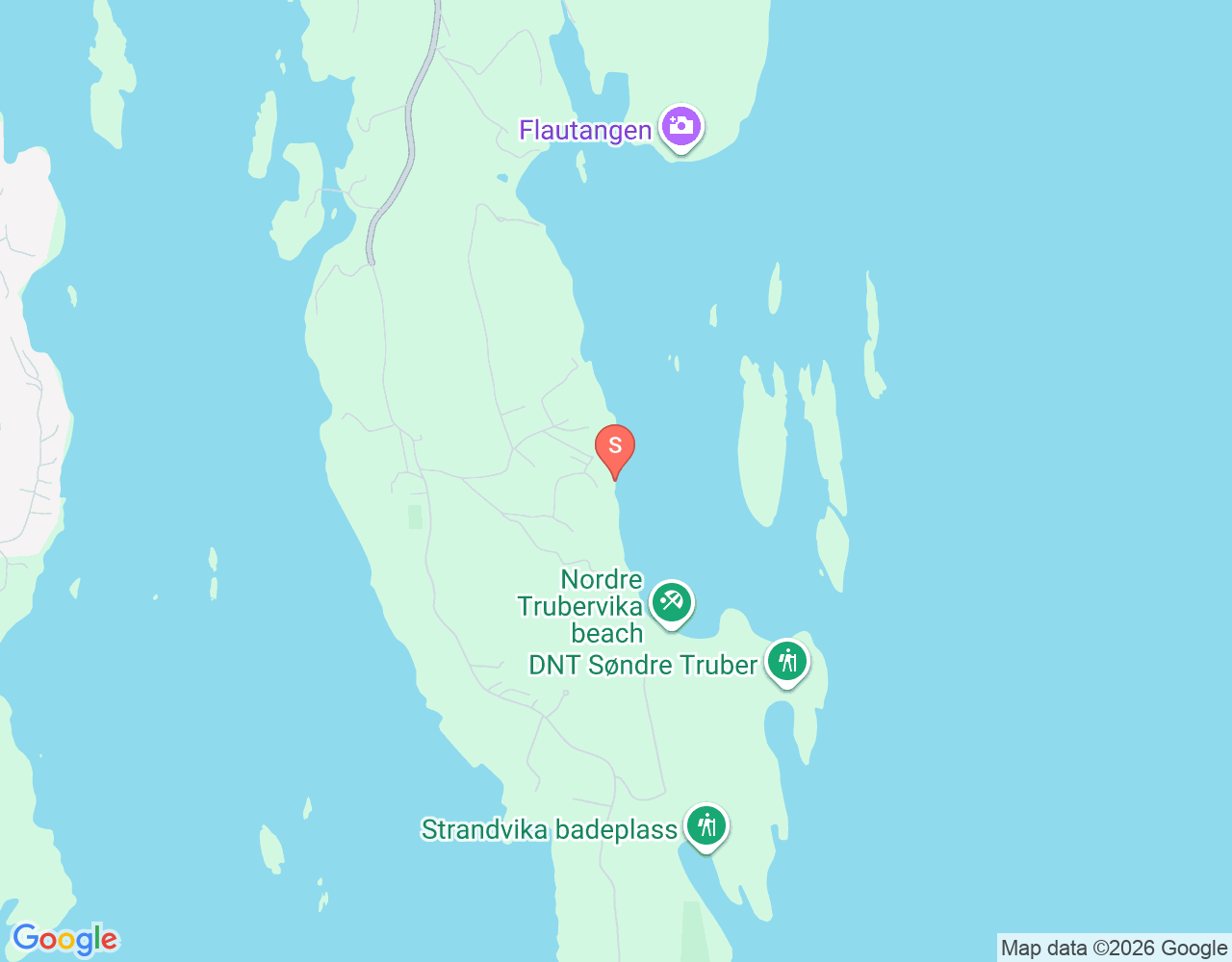
Trubervika offers reliable conditions for kitesports throughout the year, making it a solid choice for Nordic riders seeking consistent wind. The spot draws from Norway's Atlantic exposure and local topography that channels steady breezes across the water. The area has documented community activity, with local riders sharing video sessions that showcase the spot's potential in different seasons. Access is straightforward with no marine protection restrictions limiting when you can ride. The shallow to moderate depths make it beginner-friendly, though wind patterns vary seasonally. Water temperature shifts significantly across the year, so suit selection matters. Most riders find the best combination of wind reliability and comfort during spring through fall, though dedicated athletes work the spot year-round. The local community has contributed observations and video documentation, giving visiting riders a clear sense of what to expect. Conditions tend to favor certain wind directions based on the Norwegian coast's geography, so timing your visit around forecast patterns pays off. Facilities and services typical to Norwegian coastal towns support the kitesports scene.
📖 Guide: Diving in Norway: 25 Sites Where Cold Water Pays Off
Best months
Trip essentials
Everything you need before you pack — checklist, sun, logistics.
Trip checklist
- 🛂 Visa-free or visa-on-arrival
- 🪁 IKO/VDWS card if booking lessons
- 🧴 Reef-safe sunscreen SPF 50+
- 🔌 Plug type C/F · 230V adapter
- 💊 Seasickness meds + ear drops
- 📱 Offline maps + emergency contact
Quick facts
- 🌓 Moon First quarter · 48%
- GPS
› Sustainability disclosures
FAQ
›What months have the best conditions at Trubervika?
Trubervika works year-round, but spring through autumn typically offer the warmest water and most comfortable air temperatures. Winter brings cold water and air, but can deliver consistent Atlantic winds. Check local wind forecasts before committing; seasonal storms also influence rideable days.
›Is Trubervika suitable for beginners?
Yes. Shallow to moderate depths and accessible entry make it beginner-friendly. Community video documentation shows a range of skill levels riding here. Always assess current wind and water conditions on the day you plan to ride.
›What kind of winds does Trubervika typically get?
Atlantic exposure and coastal topography deliver steady winds, especially during spring and autumn. Wind direction and strength vary with weather systems moving across the North Sea. Local forecasts and the community video archive are your best guides to expected conditions.
›Are there permits or restrictions for kitesports at Trubervika?
The spot lies outside marine protected areas, so no special protections limit kite activities. Standard Norwegian coastal regulations apply. Check with local authorities or tourism offices for current rules before your session.