About this spot
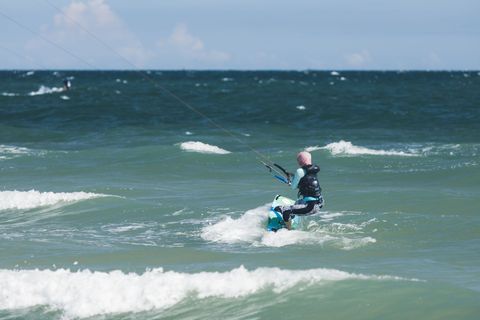
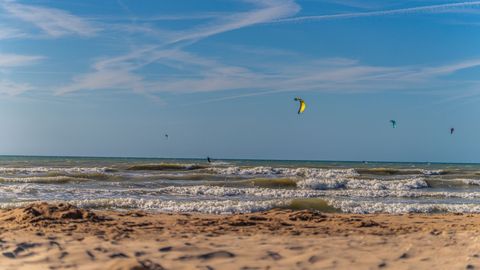
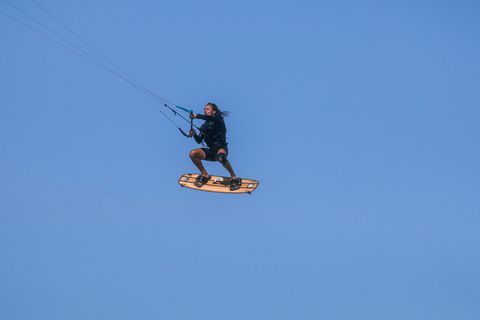
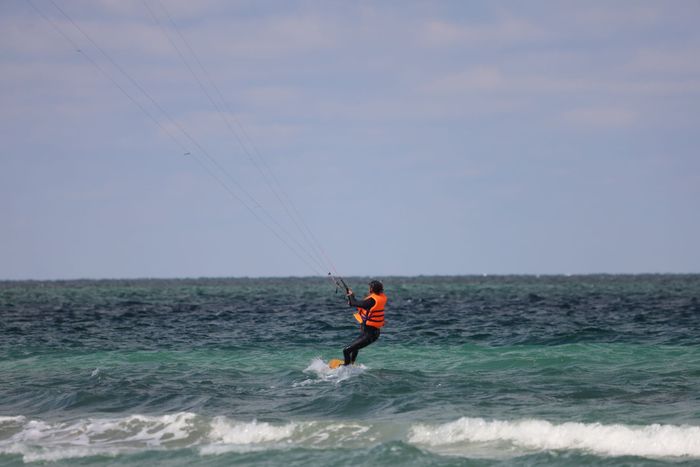
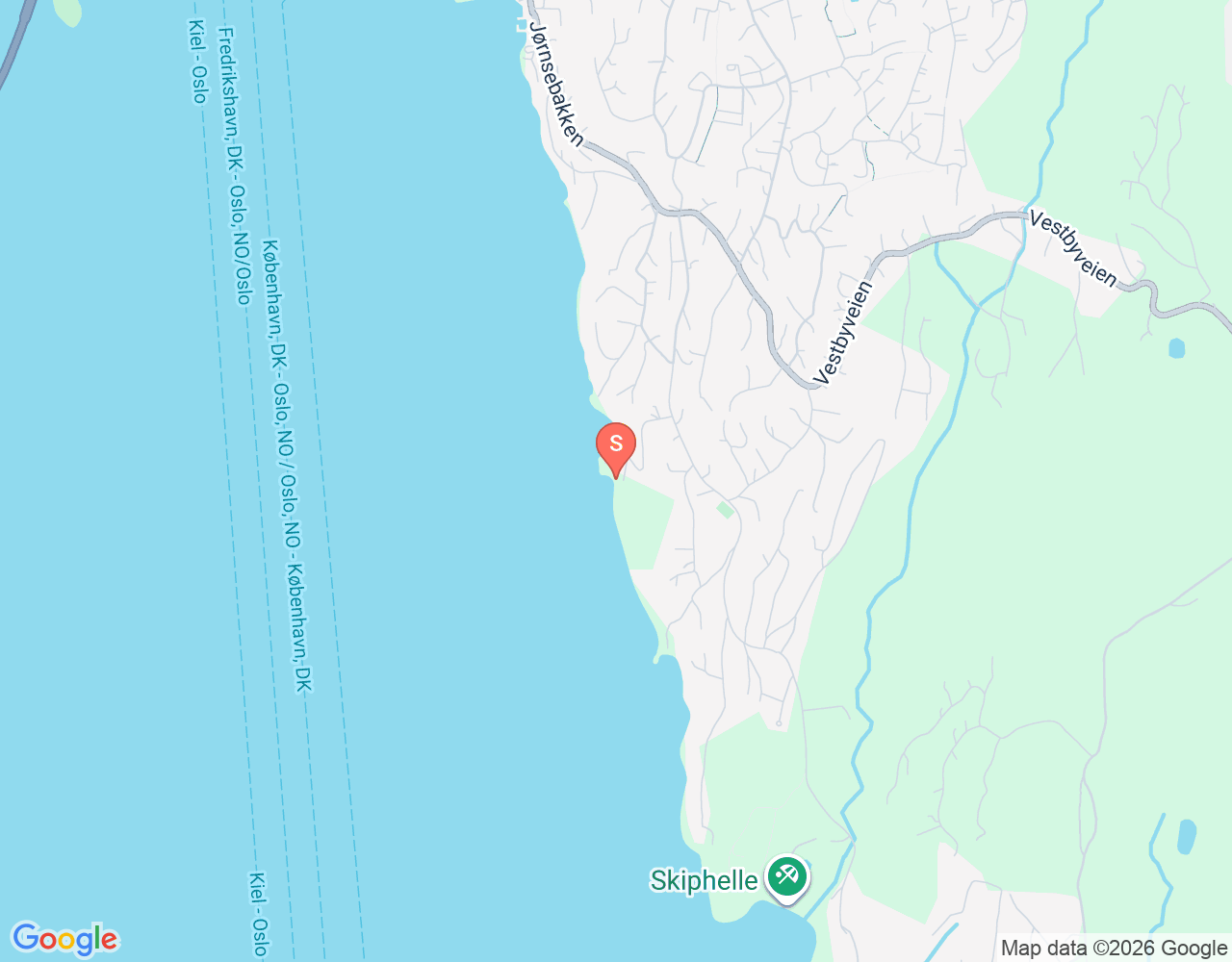
Torkilstranda sits on Norway's northern coast near the historic Elle tåkeklokke lighthouse, a landmark visible from the water that guides kiters to this exposed beach break. The spot draws steady Atlantic wind throughout the year, making it one of Norway's reliable kite venues. The open fetch and unobstructed coastline mean conditions are often predictable, though winter months bring harder gusts and colder air. The area is not protected as a marine reserve, so access is straightforward for kiters launching from the beach. Local conditions can shift rapidly with Nordic weather systems, so checking wind forecasts before heading out is essential. The community here is small but active—3 instructional videos document sessions, giving newcomers a sense of what to expect in different seasons. Water temperatures vary significantly by season; layered wetsuits are standard for most of the year. The surrounding coastline is rugged and scenic, with dramatic cliffs and rocky outcrops typical of northern Norway. Torkilstranda works best during windows when the wind aligns with the beach orientation and offshore influences stay minimal.
📖 Guide: Diving in Norway: 25 Sites Where Cold Water Pays Off
Best months
Trip essentials
Everything you need before you pack — checklist, sun, logistics.
Trip checklist
- 🛂 Visa-free or visa-on-arrival
- 🤿 Pack: drysuit required
- 🪁 IKO/VDWS card if booking lessons
- 🧴 Reef-safe sunscreen SPF 50+
- 🔌 Plug type C/F · 230V adapter
- 💊 Seasickness meds + ear drops
- 📱 Offline maps + emergency contact
Quick facts
- 🌓 Moon First quarter · 49%
- 🤿 Wetsuit drysuit required
- GPS
› Sustainability disclosures
FAQ
›What is the best time to kite at Torkilstranda?
Torkilstranda works year-round, though autumn and winter typically deliver stronger and more consistent wind. Spring and summer offer calmer conditions but longer daylight hours. Check local forecasts before each session, as Atlantic weather systems can change rapidly.
›Is Torkilstranda suitable for beginners?
Difficulty level varies by season and daily conditions. Year-round wind access makes it appealing, but winter sessions require solid skills and appropriate cold-water gear. Watch the 3 community videos available to gauge your comfort level before committing.
›What marine life might I encounter?
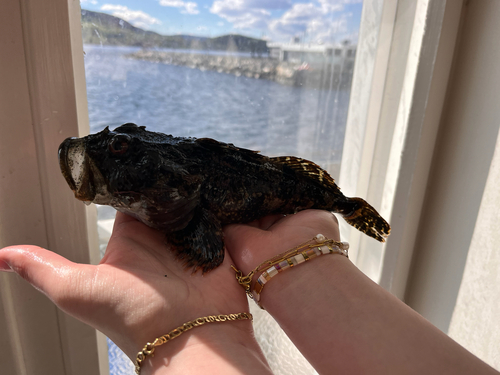
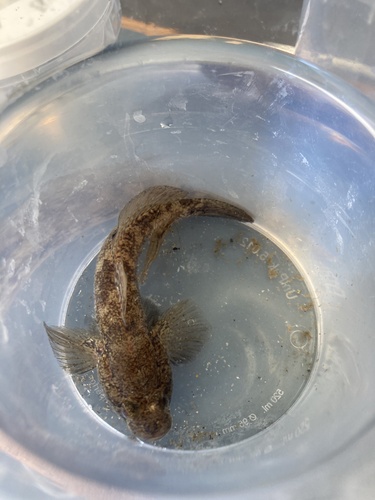
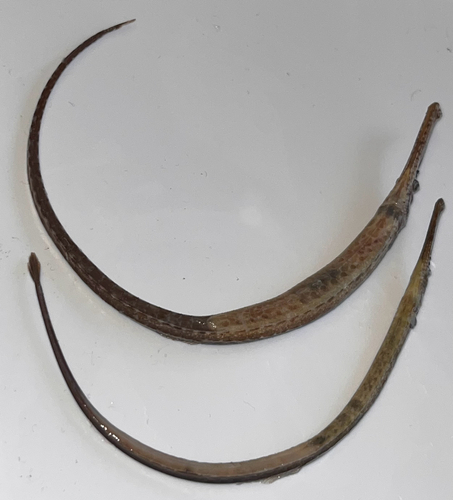
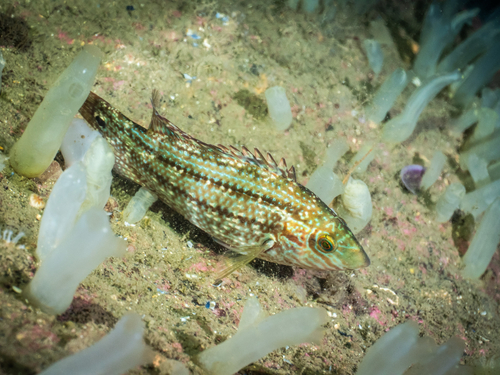
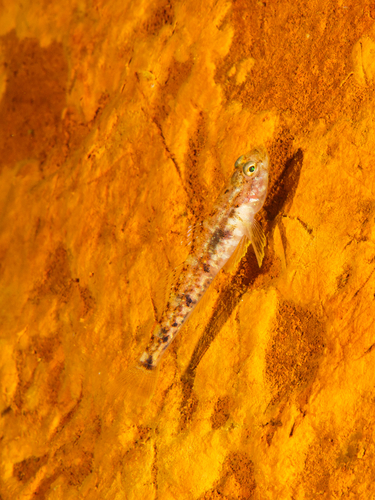
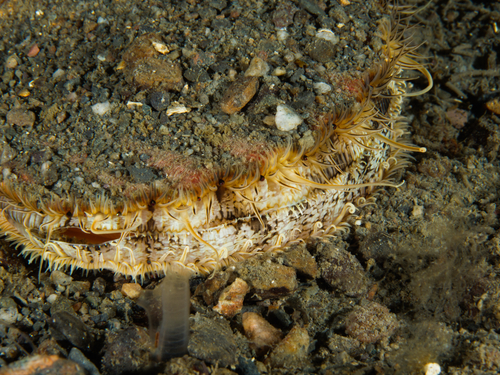
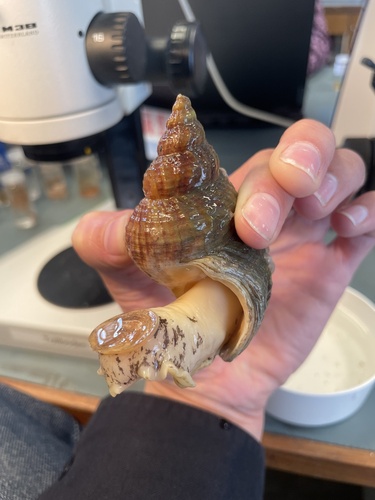
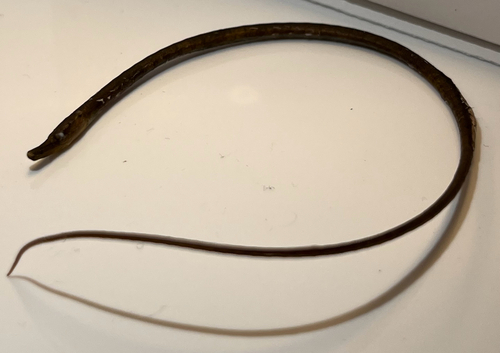
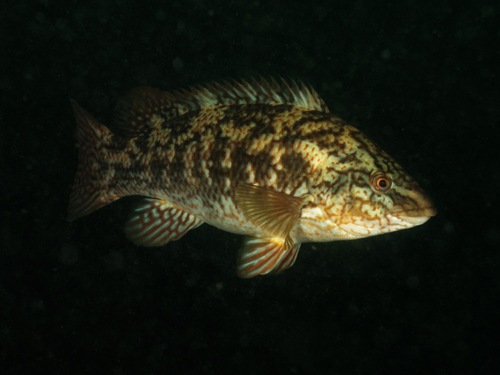
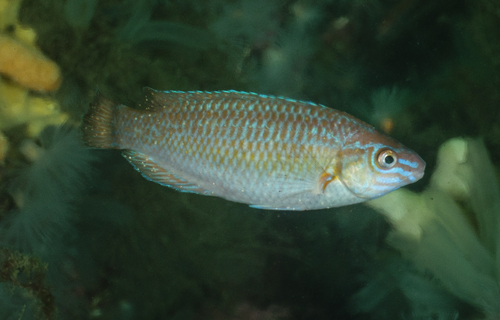
12 species observations have been recorded at Torkilstranda. Arctic waters here support seabirds, fish species adapted to cold temperatures, and occasional marine mammals. Respect local wildlife and maintain safe distance from nesting areas along the cliffs.
›Do I need permits to kite at Torkilstranda?
The spot is not within a marine protected area, so standard access is open. Check with local authorities in the nearest town for any temporary closures or seasonal restrictions, and always respect private land boundaries near the beach.