About this spot
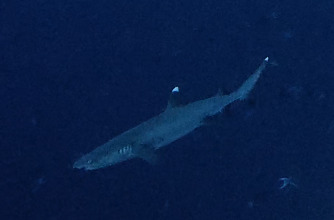
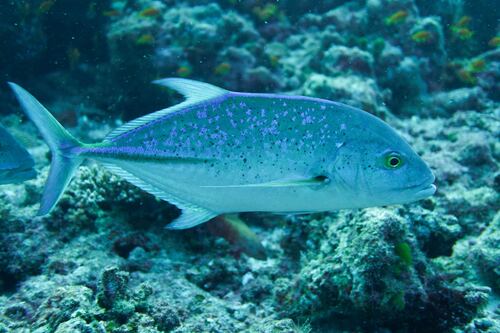
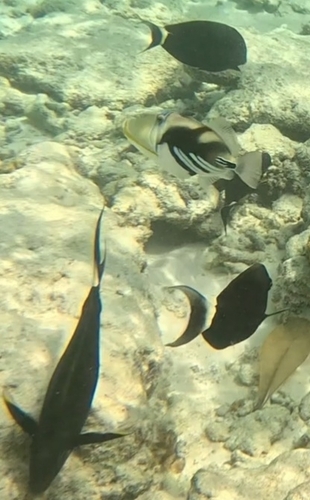
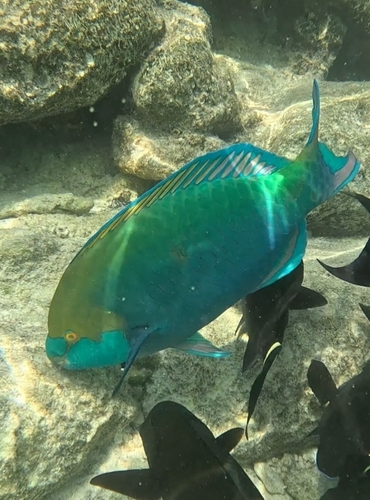
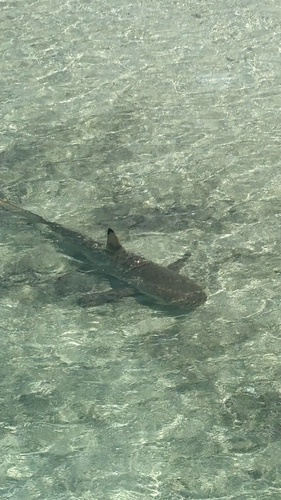
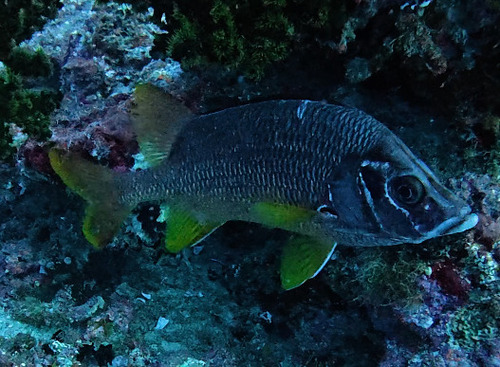
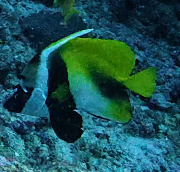
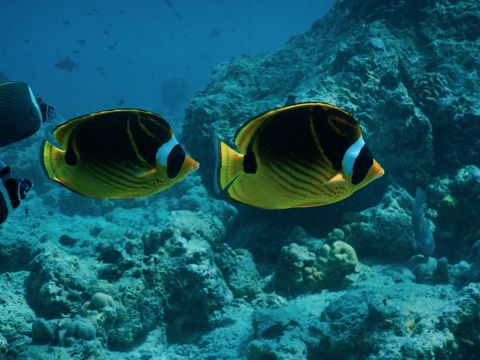
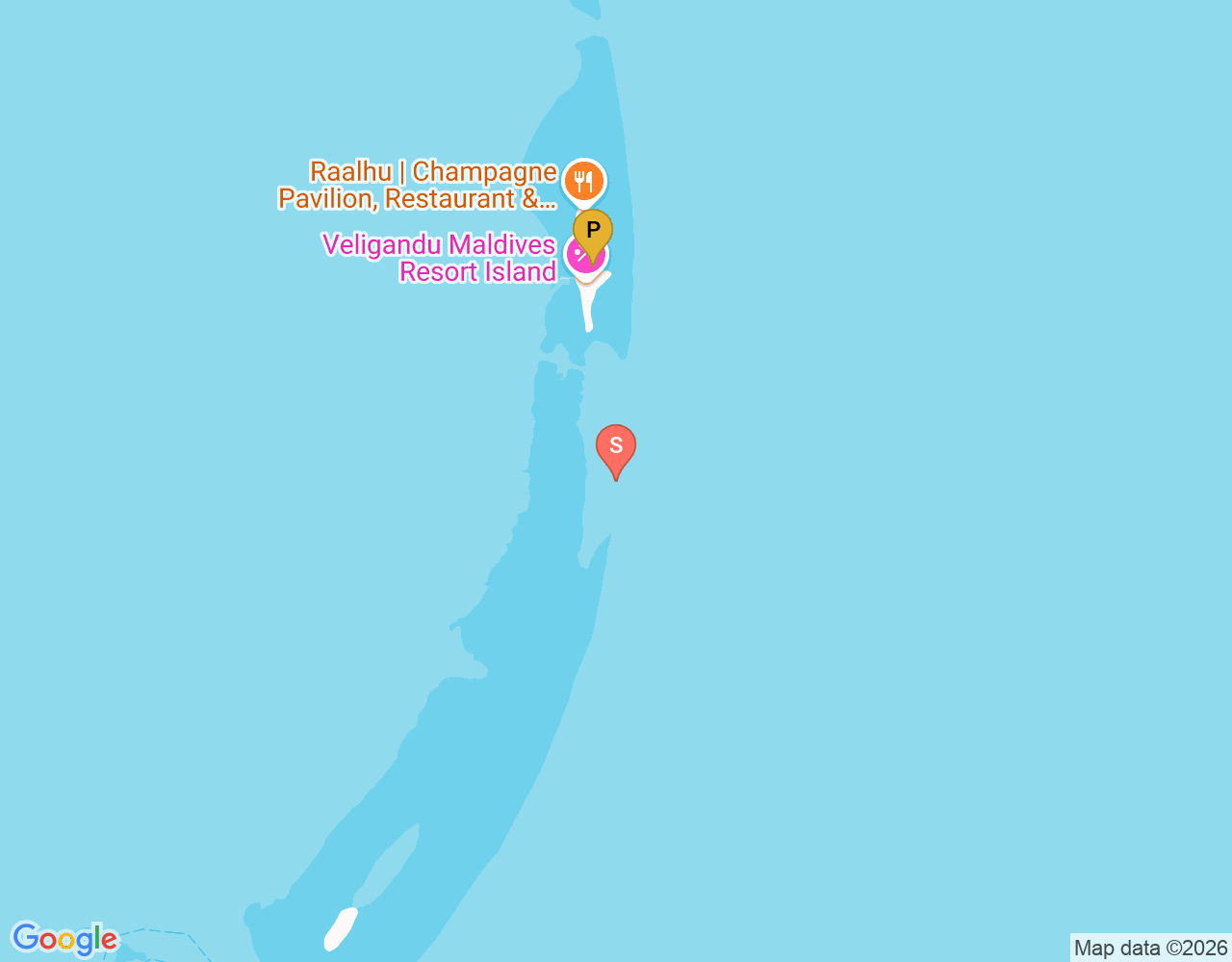
Veligandu East sits in the heart of the Maldives' central atolls, delivering consistent diving throughout the calendar year. The site attracts divers seeking a mix of reef fish, pelagics, and macro life in warm tropical waters. Local dive operators regularly work this location, and visibility typically supports wide-angle and detail work alike. Species documentation from 12 confirmed observations shows reliable encounters with common reef residents. The area remains outside marine protected zones, though coral bleaching warrants ongoing attention to reef health. Conditions are stable enough that most certification levels can find suitable depths and structures to explore. Three community videos document the site's appeal and seasonal rhythms. Veligandu East works well as a multi-dive destination when paired with nearby sites, making it practical for liveaboard trips or land-based itineraries. Access is straightforward through standard Maldives dive operations and resort bookings.
📖 Guide: Diving in the Maldives: 156 Sites, Mantas & What to Know
Best months
Marine life
Dive types
Trip essentials
Everything you need before you pack — checklist, sun, logistics.
Trip checklist
- 🛂 Visa-free or visa-on-arrival
- 🤿 Pack: rashguard / 1mm shorty
- 📜 C-card + dive insurance (DAN)
- 📔 Dive logbook
- 🧴 Reef-safe sunscreen SPF 50+
- 🔌 Plug type D/G/J/K/L · 230V adapter
- 💊 Seasickness meds + ear drops
- 📱 Offline maps + emergency contact
Quick facts
- 🌓 Moon First quarter · 49%
- 🤿 Wetsuit rashguard / 1mm shorty
- GPS
› Sustainability disclosures
From your departure country
- Visa: Visa on arrival · 30 days max
- Flight: 11h · direct
- Jet-lag: 10h east · 7 days recovery
FAQ
›When is the best time to dive Veligandu East?
Veligandu East is diveable year-round. The Maldives' dual monsoon pattern means dry seasons (November–April and July) offer calmer seas, while May–October brings southwest swells but still maintains access. Most divers report stable conditions throughout.
›What depth and difficulty level suits this site?
Exact depth details aren't formally documented, but central atoll sites in this region typically offer shallow reefs (5–12 metres) and deeper drop-offs (18–30+ metres). Most recreational divers with basic open-water training can find suitable depths here.
›What marine life can I expect?
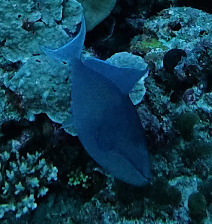
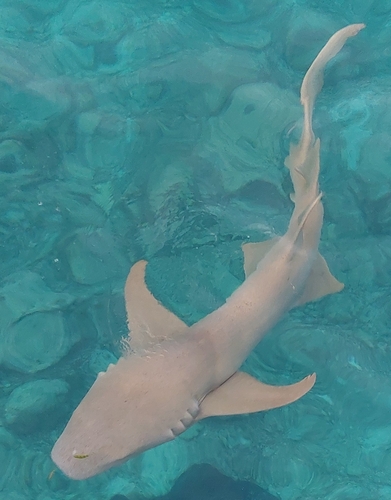
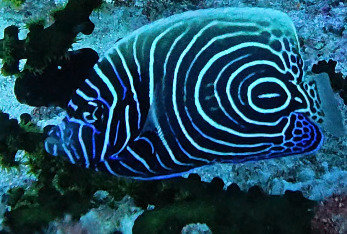
Twelve species observations confirm regular encounters with reef fish, likely including snappers, groupers, and smaller predators. Pelagic traffic varies seasonally. Check recent community videos and local dive guides for current species reports and behaviour.
›How do I access Veligandu East and what permits do I need?
Book through established dive resorts or liveaboard operators in the Maldives. Standard tourist visas and resort registration are sufficient. The site sits outside MPAs, so no additional permits are required. Ask your operator about seasonal access windows.