About this spot
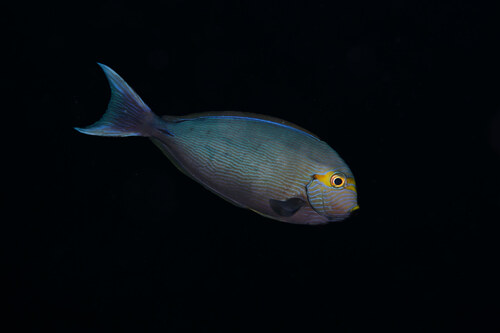
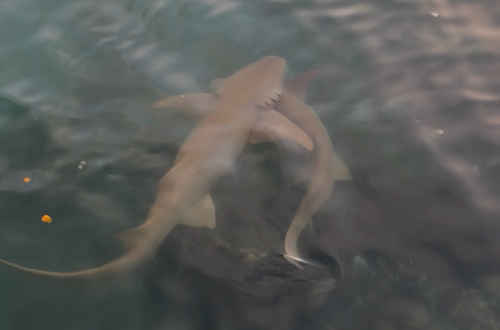
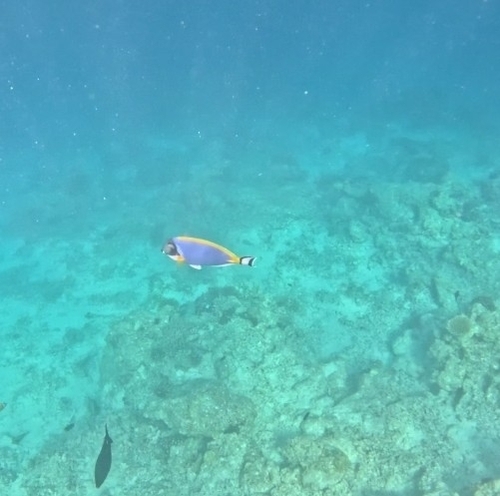
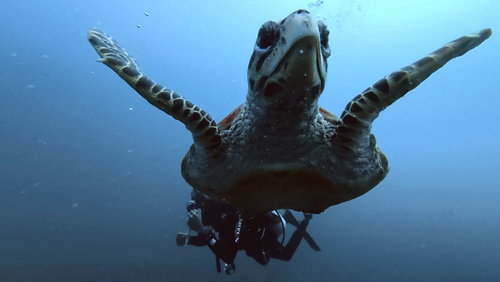
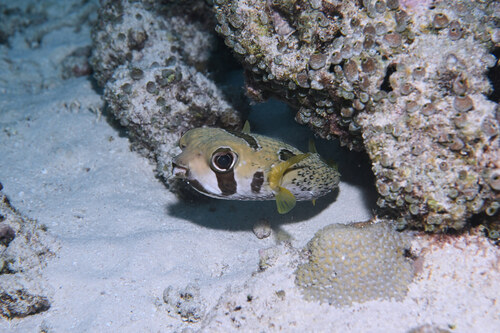
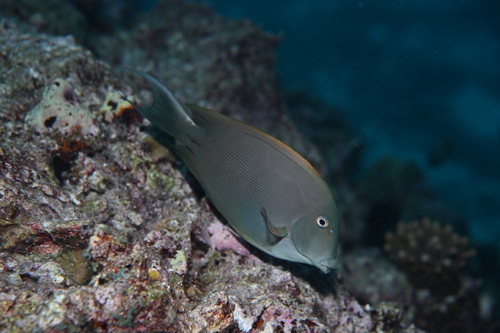
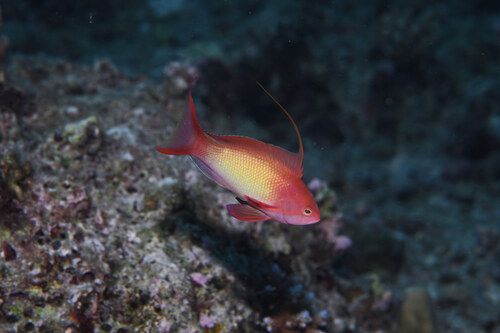
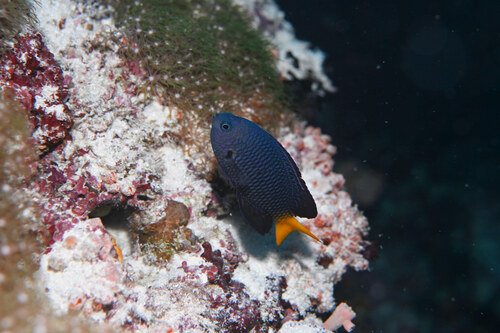
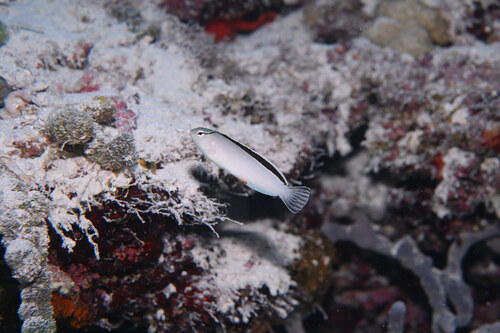
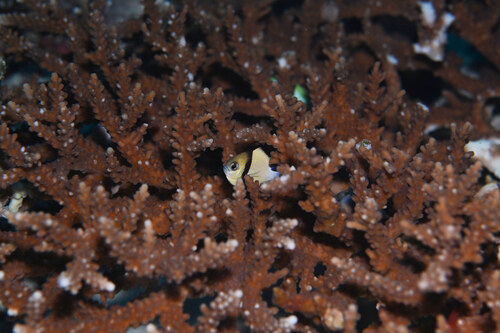
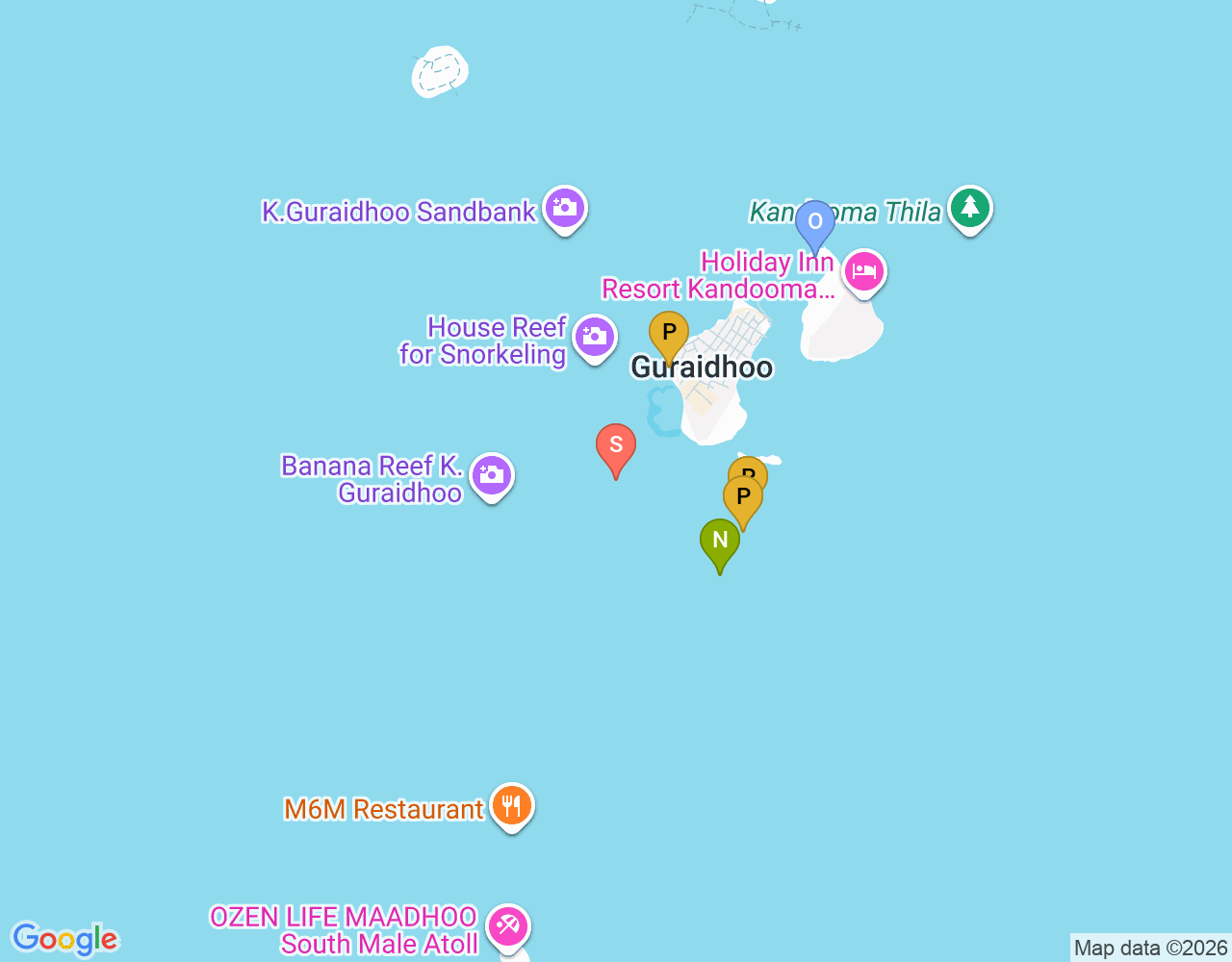
Guraidhoo Channel cuts through the Kaafu Atoll in the Maldives, creating a natural funnel where ocean currents deliver sharks, rays, and schooling fish to waiting divers. The channel's reputation rests on unpredictable but rewarding pelagic encounters—grey reef sharks, white-tips, and eagle rays are regulars. Current strength varies with tide and season, so drift diving is the standard approach. The reef walls flanking the channel host hard and soft corals, though coral health warrants monitoring in this region. Macro life hides in crevices: nudibranchs, crustaceans, and small reef fish fill the frame between big-animal passes. Visibility swings with season and weather, so check local conditions before booking. Guraidhoo is not a marine protected area, so commercial traffic and fishing occur nearby. The channel remains accessible year-round, though seasonal swells and monsoon patterns shift dive timing preferences. Most operators base out of nearby resorts or day-trip boats from Male.
📖 Guide: Diving in the Maldives: 156 Sites, Mantas & What to Know
Best months
Marine life
Dive types
Trip essentials
Everything you need before you pack — checklist, sun, logistics.
Trip checklist
- 🛂 Visa-free or visa-on-arrival
- 📜 C-card + dive insurance (DAN)
- 📔 Dive logbook
- 🧴 Reef-safe sunscreen SPF 50+
- 🔌 Plug type D/G/J/K/L · 230V adapter
- 💊 Seasickness meds + ear drops
- 📱 Offline maps + emergency contact
Quick facts
- 🌓 Moon First quarter · 47%
- GPS
› Sustainability disclosures
From your departure country
- Visa: Visa on arrival · 30 days max
- Flight: 11h · direct
- Jet-lag: 10h east · 7 days recovery
FAQ
›When is the best time to dive Guraidhoo Channel?
The channel is diveable year-round, but conditions shift with monsoon patterns. Dry seasons (November–April and June–August) typically offer calmer water and steadier visibility. Check local operators for current forecasts—timing matters more than month.
›What depth and difficulty level should I expect?
Depth and difficulty data for this site are not well documented. Current strength is the primary challenge: drift dives require solid buoyancy control and comfort in moving water. Beginners should dive with experienced local guides.
›What marine life will I see?
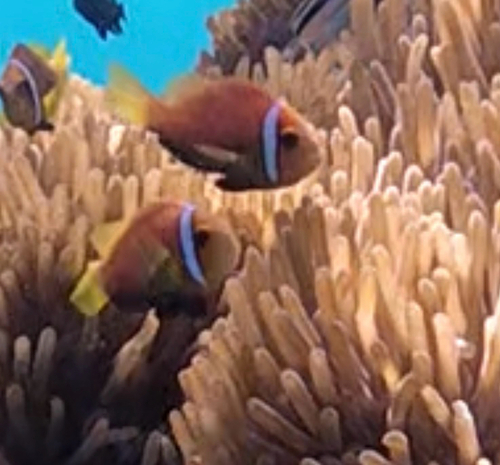
Grey reef sharks, white-tip sharks, eagle rays, and schooling jacks are common. The reef harbors hard and soft corals, nudibranchs, crustaceans, and small reef fish. Encounters vary with tide and season—pelagic life is the main draw.
›Do I need permits or certifications to dive here?
The Maldives requires visitors to book dives through licensed operators; independent diving is not permitted. Your operator handles all logistics. Bring your dive certification card. The channel is not a protected area, but coral health is a concern—avoid touching reef.