About this spot
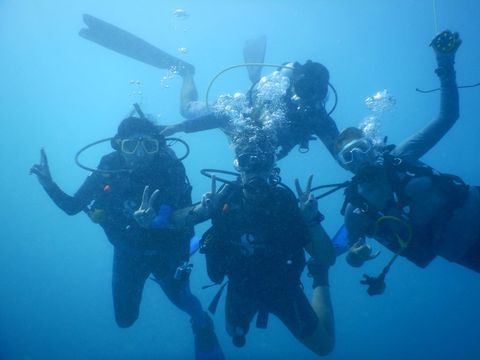
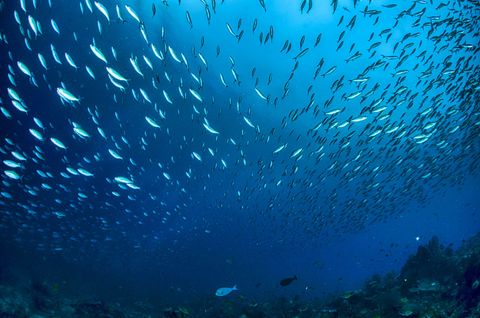
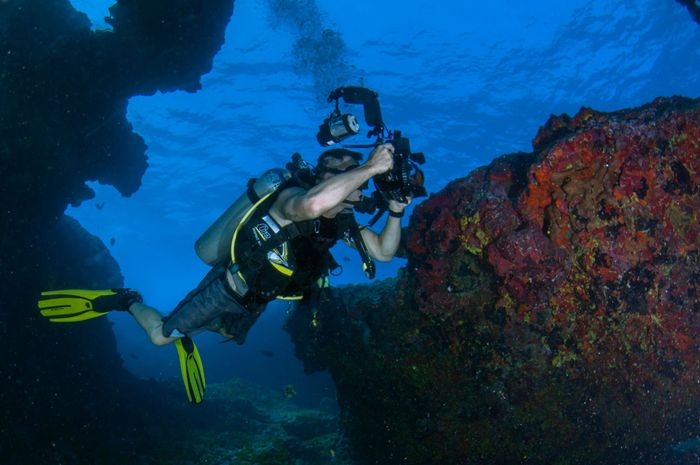
Tiputa Pass is one of French Polynesia's most dynamic drift dives, cutting through Rangiroa's outer reef with force and swagger. The pass narrows to barely 800 metres at its throat, funnelling tidal currents that pull nutrients—and predators—into the blue. Divers drop at 12 metres and let the flow carry them through, watching the bottom shelf away to 40 metres as you drift past coral-studded walls and sand channels. Schools of jacks, barracuda, and trevally are constant. Grey reef sharks patrol the deeper sections, often close enough to study your reaction. Rays glide past. The current is the whole point here: it's what brings life, and what makes every dive feel like movement, like discovery. Visibility is typically excellent, though the water moves fast enough that you need real comfort with drift technique and group control. This is not a leisurely exploration—it's a live encounter with open-ocean predators in their feeding grounds. Best months run year-round, though summer swells can complicate access and logistics. The pass itself sits outside any protected area, so it draws experienced operators and independent divers with solid skills. Three community videos document conditions and encounters. Boat access is standard; currents and tidal scheduling are non-negotiable. Bring a wetsuit; the water is tropical but the pace is intense.
Best months
Marine life
Dive types
Trip essentials
Everything you need before you pack — checklist, sun, logistics.
Trip checklist
- 🛂 Visa-free or visa-on-arrival
- 🤿 Pack: 3/2 mm shorty
- 📜 C-card + dive insurance (DAN)
- 📔 Dive logbook
- 🧴 Reef-safe sunscreen SPF 50+
- 🔌 Plug type C/E · 220V adapter
- 💊 Seasickness meds + ear drops
- 📱 Offline maps + emergency contact
Quick facts
- 🌓 Moon First quarter · 47%
- 🤿 Wetsuit 3/2 mm shorty
- GPS
› Sustainability disclosures
From your departure country
- Visa: Visa-free · 90 days max
- Flight: 16h · direct
- Jet-lag: 5h east · 4 days recovery
FAQ
›What's the best time to dive Tiputa Pass?
Year-round diving is possible at Tiputa Pass. Tidal timing is more critical than season; incoming and outgoing tides both produce strong drift. Plan around tide tables and local operators' schedules. Summer months (November–March) can bring larger swells that affect boat access.
›How deep is Tiputa Pass and what skills do I need?
The pass ranges from 12 metres at the drop to 40 metres on deeper sections. This is an advanced dive requiring solid buoyancy control, strong drift-diving technique, and comfort with current and group management. You must be confident navigating moving water and following your dive guide in open-water conditions.
›What marine life will I see?
Grey reef sharks, blacktip reef sharks, and tawny nurse sharks are common. Expect large schools of jacks, trevally, and barracuda; rays including eagle rays; and occasional grouper and snappers along the walls. Pelagics are frequent. Coral coverage varies by section but includes both hard and soft coral formations.
›How do I get there and are permits needed?
Access is by boat from Rangiroa's main settlements. The pass itself sits outside any marine protected area, so no special permit is required beyond standard French Polynesia entry rules. Boat operators run regular trips; book in advance during peak seasons.