About this spot
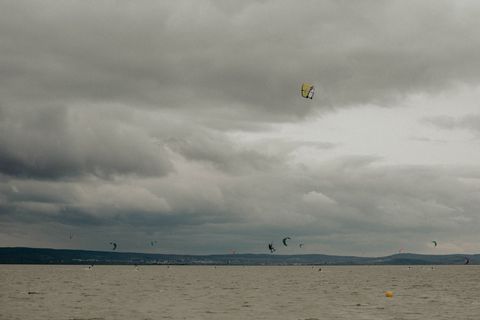
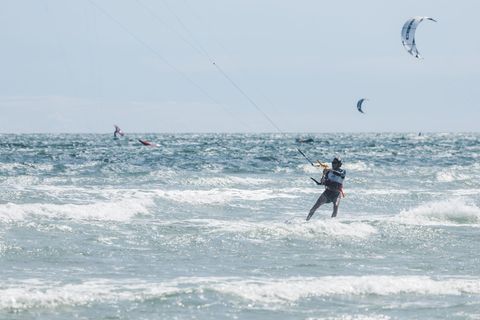
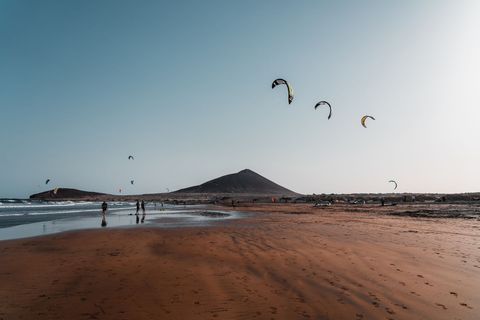
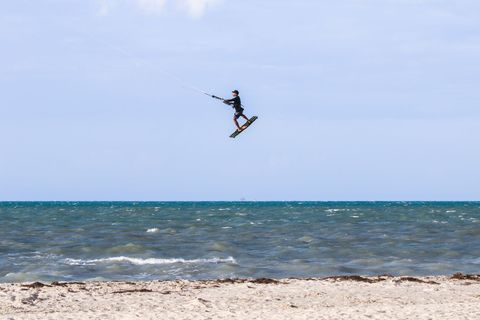
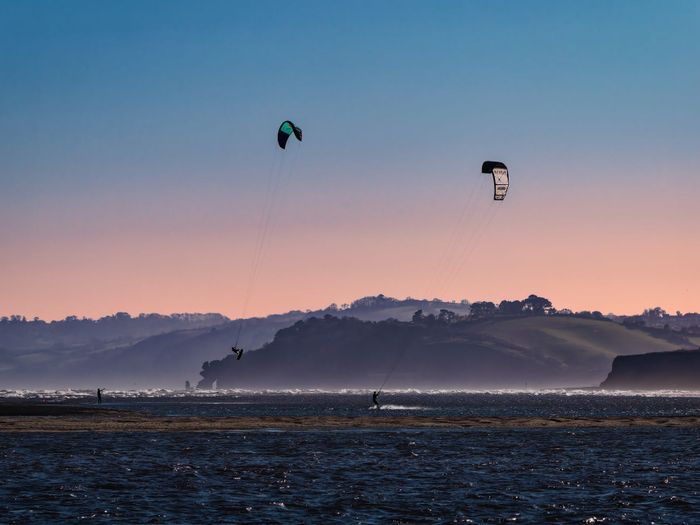
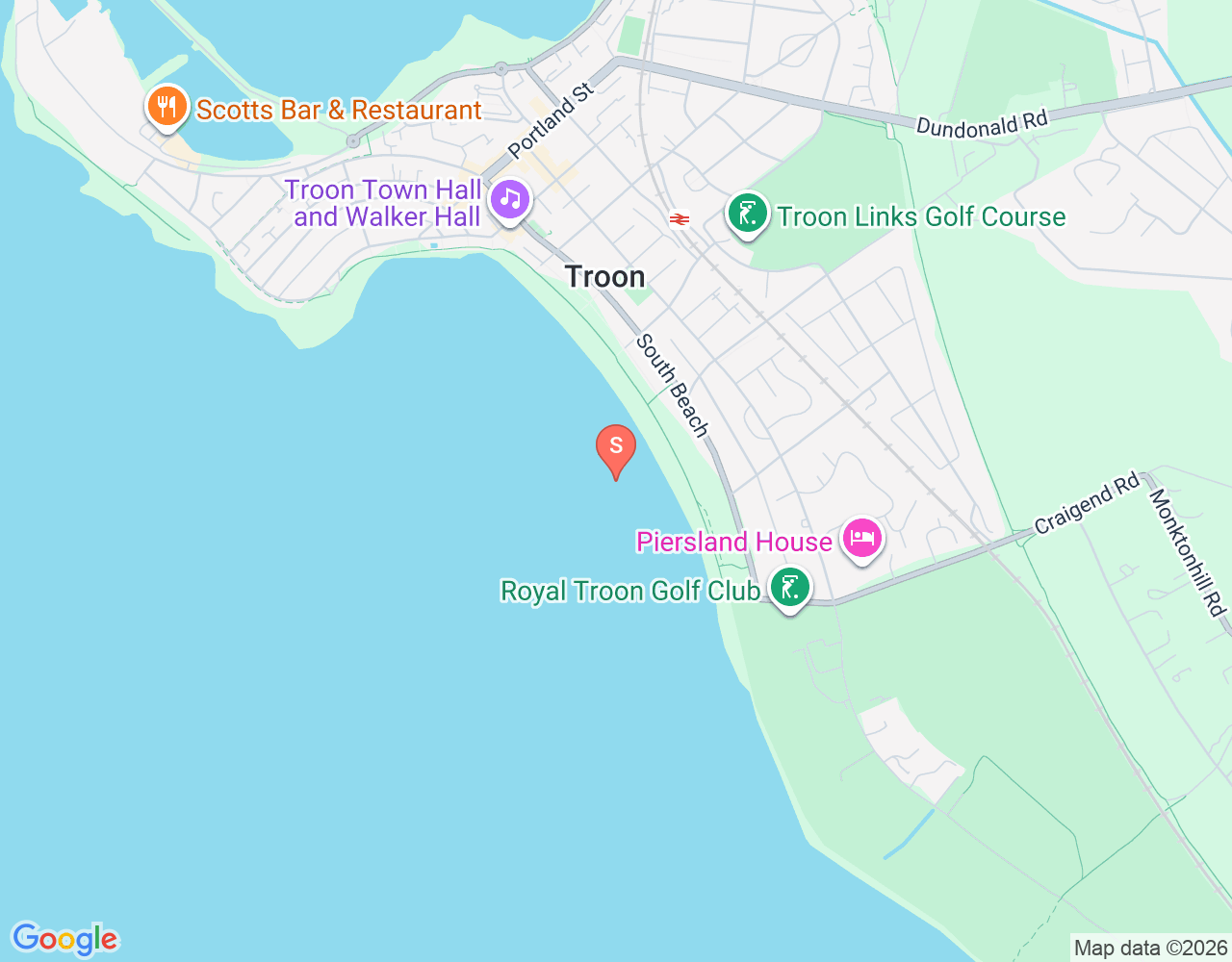
Troon sits on the northwest coast of South Ayrshire in southwest Scotland, offering reliable conditions for kite enthusiasts throughout the year. The spot benefits from Atlantic swells and prevailing westerly winds that funnel down the Firth of Clyde. The beach is wide and sandy at low tide, providing plenty of space for setup and pack-down. Local winds tend to pick up in afternoon sessions, making morning launches more forgiving for less experienced riders. The water is temperate year-round, though winter months bring colder conditions that require appropriate thermal protection. Troon's proximity to the Ayrshire coastline means you'll find shallow, manageable water near shore with deeper sections further out. The spot has become increasingly documented by the local kite community, with multiple session videos posted online showing the range of conditions available across seasons. Access is straightforward, with parking and amenities near the beach. The area is part of a broader network of Scottish coastal spots, so progression and skill development are well-supported by regional kite clubs and schools.
📖 Guía: Buceo en el Reino Unido: 57 Lugares desde Pecios hasta Focas
Tipos de buceo
Esenciales del viaje
Todo lo que necesitas antes de hacer la maleta — checklist, sol, logística.
Trip checklist
- 🛂 Visa-free or visa-on-arrival
- 🪁 IKO/VDWS card if booking lessons
- 🧴 Reef-safe sunscreen SPF 50+
- 🔌 Plug type G · 230V adapter
- 💊 Seasickness meds + ear drops
- 📱 Offline maps + emergency contact
Quick facts
- 🌓 Moon First quarter · 47%
- GPS
› Información de sostenibilidad
Preguntas frecuentes
›What's the best time of year to kite at Troon?
Troon works year-round. Autumn and winter (September–March) typically offer stronger and more consistent winds. Spring and summer still provide sessions, though conditions can be lighter and more variable. Check forecast windows for thermal wind development in warmer months.
›What skill level should I be?
Troon's wide beach and sandy bottom make it beginner-to-intermediate friendly in lighter winds. Stronger conditions and deeper water offshore suit intermediate to advanced riders. Always check conditions on the day and never kite alone.
›What marine life might I see?
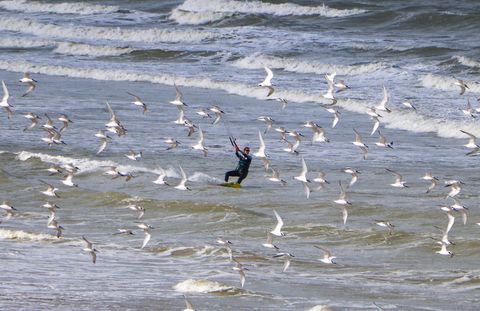
The Ayrshire coast hosts seabirds, seals, and small fish species typical of the Firth of Clyde. Local species observations are documented, though marine life encounters while kiting are typically limited to seabirds and occasional seal sightings near shore.
›Do I need permits or are there access restrictions?
Troon beach is not within a marine protected area, so standard UK coastal access rules apply. Check local council guidance and beach safety signage before launching. Respect any seasonal closures and be aware of other beach users.