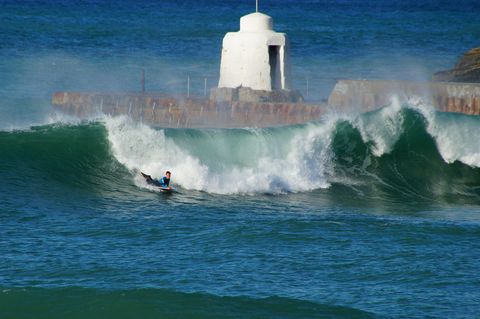
About this spot
Knivestone is a rock pinnacle dive in the Farne Islands, a classic UK destination off the Northumberland coast. The site features steep rock faces and crevices that attract divers looking for scenic geology and shelter for marine life. Depths range from 5 to 18 metres, making it suitable for intermediate divers with some UK cold-water experience. The rocky terrain creates natural habitats for fish and invertebrates typical of the North Sea environment. Conditions at Knivestone can vary with tidal flow and seasonal weather, so local knowledge and trip planning with experienced guides is essential. The Farne Islands are steeped in maritime history and remain a working seabird sanctuary, adding cultural depth to any visit. Year-round diving is possible here, though winter months require extra thermal protection and summer offers slightly better conditions. Access requires boat travel from the nearby Northumberland coast, and divers should be comfortable with boat entry and exit in potentially challenging water conditions.
📖 Guía: Buceo en el Reino Unido: 57 Lugares desde Pecios hasta Focas
Mejores meses
Tipos de buceo
Esenciales del viaje
Todo lo que necesitas antes de hacer la maleta — checklist, sol, logística.
Trip checklist
- 🛂 Visa-free or visa-on-arrival
- 🤿 Pack: drysuit recommended
- 📜 C-card + dive insurance (DAN)
- 📔 Dive logbook
- 🧴 Reef-safe sunscreen SPF 50+
- 🔌 Plug type G · 230V adapter
- 💊 Seasickness meds + ear drops
- 📱 Offline maps + emergency contact
Quick facts
- 🌓 Moon First quarter · 47%
- 🤿 Wetsuit drysuit recommended
- GPS
› Información de sostenibilidad
Preguntas frecuentes
›When is the best time to dive Knivestone?
Knivestone can be dived year-round. Summer months (June–August) typically offer calmer seas and slightly better conditions, while winter requires heavier exposure protection and more robust seamanship skills. Spring and autumn present moderate conditions with reasonable visibility.
›What depth and difficulty level is Knivestone?
Knivestone ranges from 5 to 18 metres and is rated intermediate. Divers should have prior UK cold-water diving experience and be comfortable navigating rock formations and managing tidal currents. Good buoyancy control and boat diving competence are essential.
›What marine life will I see at Knivestone?
The rocky pinnacle habitat supports North Sea fish species and invertebrates typical of UK reefs. The crevices and ledges provide shelter for wrasse, pollack, ballan, and various crustaceans. Specific species lists vary seasonally, so check with local operators for current observations.
›How do I access Knivestone and are there permits?
Access is by boat only from the Northumberland coast. The Farne Islands are a protected seabird sanctuary, but diving is permitted. Arrange trips through established boat operators familiar with the site. No special diving permits are required, but check local regulations and tide tables before your dive.