
About this spot
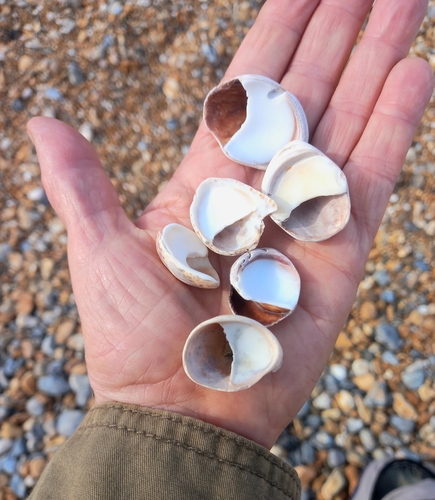
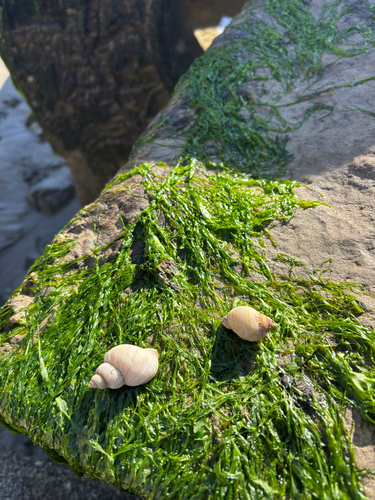
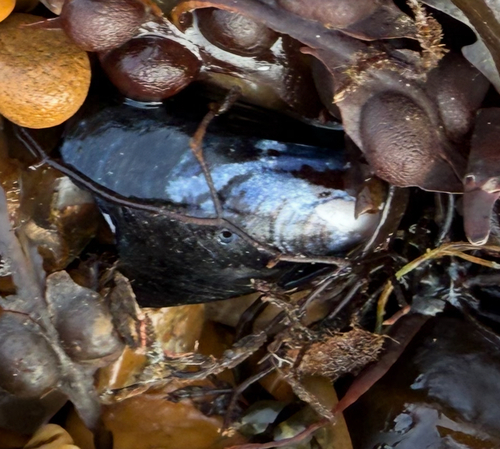
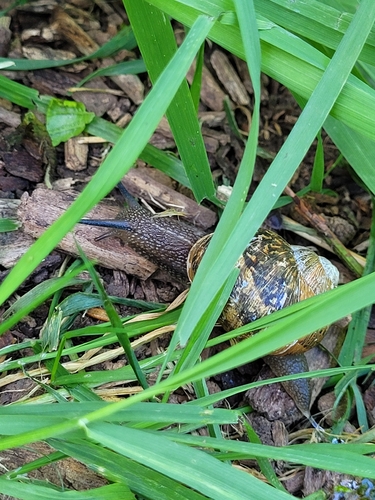
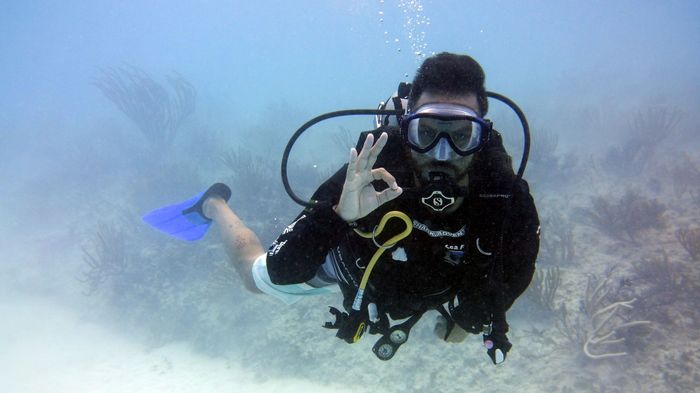
Barn Hill offers consistent diving opportunities throughout the year in the United Kingdom. The site has documented species observations from 12 recorded sightings, providing divers with reliable data on local marine life. Community videos—three in total—showcase the site's appeal and conditions, helping divers prepare for visits. The spot remains unprotected within any Marine Protected Area, meaning standard UK diving regulations apply. Local conditions and site features are best learned through direct consultation with regional dive operators and community resources who know the site intimately. Divers exploring Barn Hill benefit from documented species activity and peer-shared video evidence. Access details, seasonal considerations, and specific site logistics should be confirmed with established UK dive operators familiar with the location. The year-round availability makes it a reliable option for regular UK divers seeking consistent exploration.
📖 Guía: Buceo en el Reino Unido: 57 Lugares desde Pecios hasta Focas
Mejores meses
Esenciales del viaje
Todo lo que necesitas antes de hacer la maleta — checklist, sol, logística.
Trip checklist
- 🛂 Visa-free or visa-on-arrival
- 📜 C-card + dive insurance (DAN)
- 📔 Dive logbook
- 🧴 Reef-safe sunscreen SPF 50+
- 🔌 Plug type G · 230V adapter
- 💊 Seasickness meds + ear drops
- 📱 Offline maps + emergency contact
Quick facts
- 🌓 Moon First quarter · 47%
- GPS
› Información de sostenibilidad
Preguntas frecuentes
›Can I dive Barn Hill year-round?
Yes, Barn Hill is diveable throughout the year. Check with local UK dive operators for seasonal weather and sea conditions before planning your trip.
›What marine life has been recorded at Barn Hill?
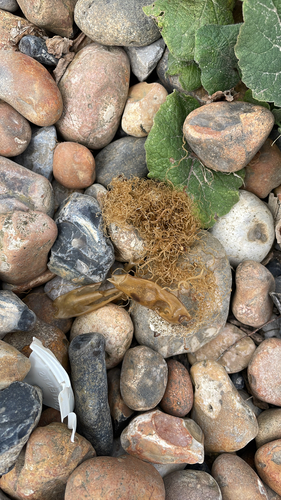
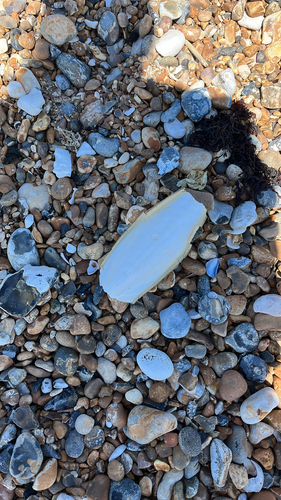
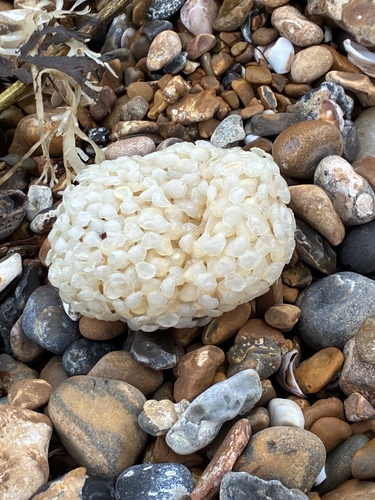
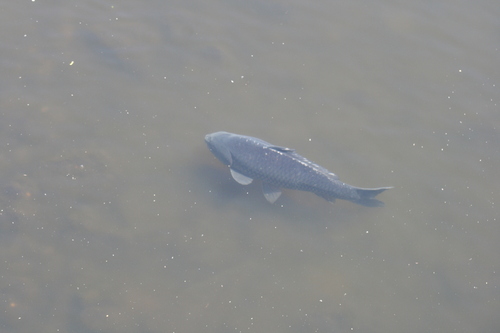
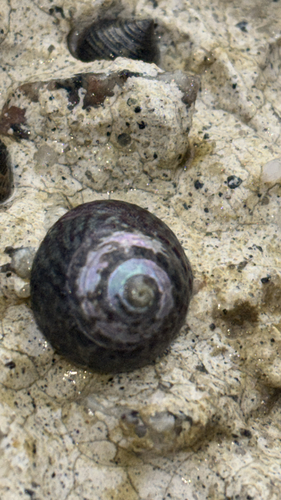
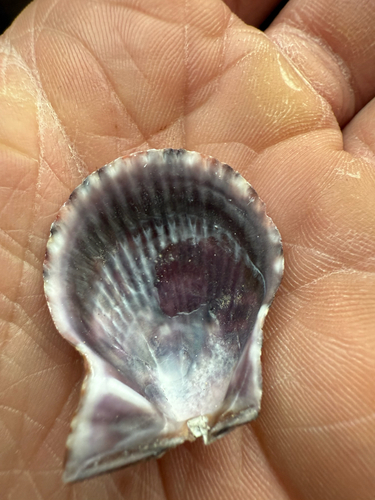
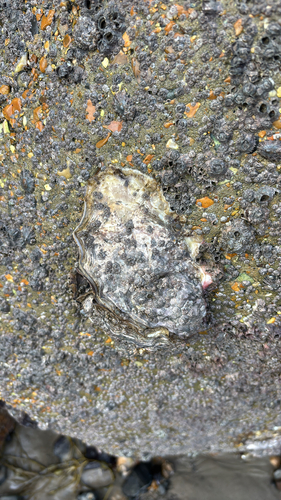
Twelve species observations have been documented at the site. Review community videos and local dive shop records to see what creatures divers have encountered.
›Is Barn Hill inside a Marine Protected Area?
No, Barn Hill is not within an MPA. Standard UK diving regulations apply. Always follow local guidelines and respect the site.
›How do I learn about site conditions and access?
Contact regional UK dive operators and review the three available community videos to understand current conditions, access points, and what to expect underwater.