About this spot
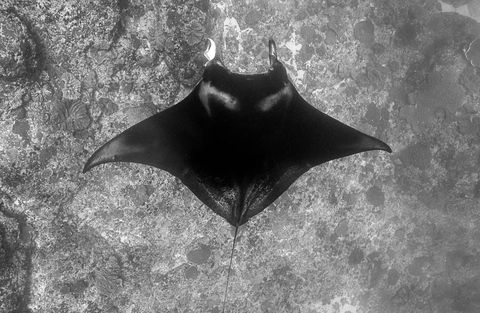
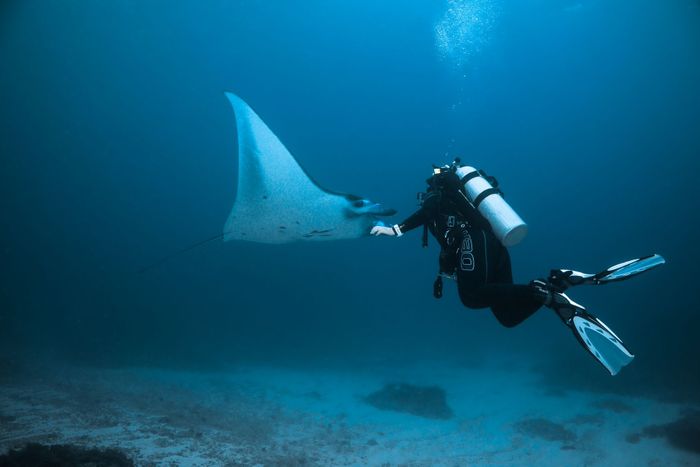
Manta Point on Pemba Island is Tanzania's most accessible manta ray destination. The site spans 8 to 25 meters, making it suitable for intermediate divers who've logged dives and understand current awareness. Mantas congregate here year-round, drawn by plankton blooms and the reef structure that funnels food into predictable feeding zones. The shallow upper reaches let you observe approach behavior before the rays descend into deeper water. Most dives work the 12–18 meter band where interaction is safest and most frequent. The site sits in open water off Pemba's northeast shelf, accessed by boat from local operators. No permit requirements apply beyond standard Tanzania travel documentation. The reef walls are largely unconsidered, so most diving focuses on the manta corridor itself. Water conditions hold steady across seasons, though some months see heavier plankton and increased manta activity. Three community dive videos document typical encounters—check current footage to gauge crowd levels and seasonal manta numbers before booking.
📖 Guía: Buceo en Tanzania: 11 Sitios desde Rayas Manta hasta Paredes Profundas
Vida marina
Tipos de buceo
Esenciales del viaje
Todo lo que necesitas antes de hacer la maleta — checklist, sol, logística.
Trip checklist
- 🛂 Visa-free or visa-on-arrival
- 📜 C-card + dive insurance (DAN)
- 📔 Dive logbook
- 🧴 Reef-safe sunscreen SPF 50+
- 🔌 Plug type D/G · 230V adapter
- 💊 Seasickness meds + ear drops
- 📱 Offline maps + emergency contact
Quick facts
- 🌓 Moon First quarter · 47%
- GPS
› Información de sostenibilidad
Desde tu país de salida
- Visado: Visado a la llegada · 30 días máx.
- Vuelo: 11h · con escala
- Jet-lag: 8h este · 6 días de recuperación
Preguntas frecuentes
›When's the best time to dive Manta Point?
Mantas are present year-round on Pemba. No single best month is documented. Check community videos and recent operator reports before travel, as plankton blooms and manta density shift seasonally within that 12-month window.
›What depth and difficulty should I expect?
The site runs 8–25 meters and requires intermediate certification or equivalent logged experience. You'll need solid buoyancy control and comfort in moderate current, which vary by dive and season.
›What's the marine life like?
Mantas are the headline act. Reef structure supports other pelagics and reef fish, but dives focus on the manta corridor. Plankton-rich water attracts rays and other filter feeders.
›How do I get there and do I need permits?
Access is by boat from Pemba operators. Tanzania travel documents are required; no marine reserve permit is needed for this site. Book with a local dive outfit that knows current conditions.