About this spot
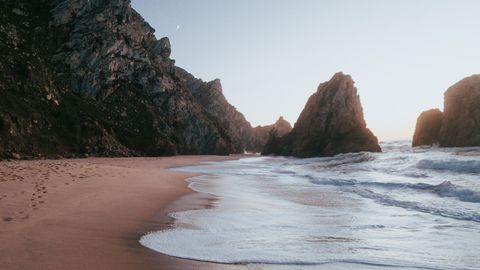
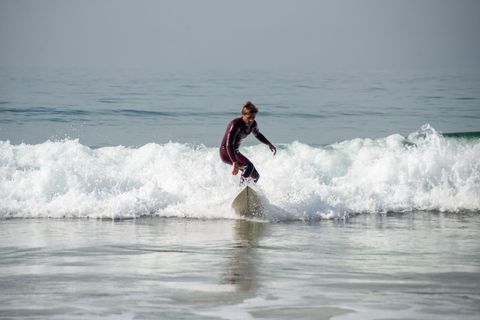
Praia da Arrifana sits on Portugal's southwest coast as one of the country's most consistent surf destinations. The break works year-round, with sand and rock formations creating a natural amphitheater that focuses Atlantic swell energy into peeling waves 4–8 feet on average days. The beach faces west-southwest, capturing frontal swells that most Portuguese breaks miss. Lineup tends to be mellow despite reputation; locals and visitors share the water without aggression. The sandy floor keeps wave shape predictable for intermediate surfers building their skills on bigger faces and faster walls. Access is straightforward—park above the beach and walk down a short dirt path. The beach has basic facilities nearby, with small cafes and shops in the adjacent village. Water conditions vary by season, but Arrifana rarely closes out completely. Sand bars shift seasonally, so wave shape changes throughout the year; summer tends toward mushier peelers, winter brings more critical, sharper walls. Even on small days, the break holds shape and offers enough push to practice technique.
📖 Guía: Los 10 Mejores Lugares de Buceo en Portugal
Esenciales del viaje
Todo lo que necesitas antes de hacer la maleta — checklist, sol, logística.
Trip checklist
- 🛂 Visa-free or visa-on-arrival
- 🏄 Surfboard or rental confirmation
- 🧴 Reef-safe sunscreen SPF 50+
- 🔌 Plug type C/F · 230V adapter
- 💊 Seasickness meds + ear drops
- 📱 Offline maps + emergency contact
Quick facts
- 🌓 Moon First quarter · 47%
- GPS
› Información de sostenibilidad
Desde tu país de salida
- Visado: Sin visado · 90 días máx.
- Vuelo: 7h · directo
- Jet-lag: 5h este · 4 días de recuperación
Preguntas frecuentes
›What's the best time to surf Praia da Arrifana?
Year-round. Winter (October–March) brings bigger Atlantic swells and crisper, more powerful waves. Summer (June–August) offers smaller, mellower conditions ideal for learning, with warmer water and lighter winds.
›What's the typical wave height and difficulty level?
Average 4–8 feet, intermediate difficulty. The break suits surfers comfortable with waist-to-head-high waves and some paddle power. Beginners can find smaller peaks on the inside; advanced surfers enjoy steeper sections during larger swells.
›What marine life should I watch for?
Atlantic fish, occasional seals, and seabirds are common. Hazards are minimal; sharp rocks exist at the break edges, so reef booties help. No dangerous sharks or stinging sea life reported as routine concerns.
›How do I get there and are permits needed?
Drive to the village of Arrifana on Portugal's southwest coast (Algarve region); ample parking sits above the beach with a short walk down. No surf permits or restrictions. Tourist visas apply for non-EU nationals; standard Portuguese entry rules.