
About this spot
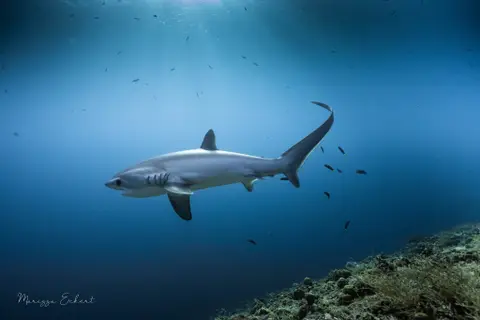
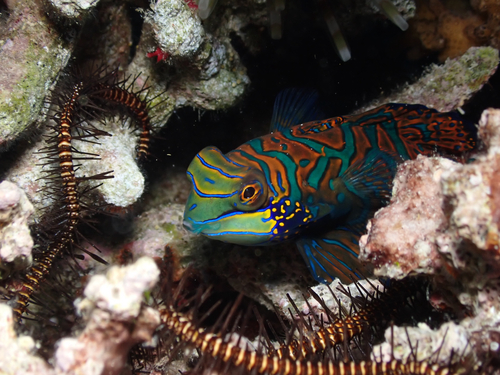
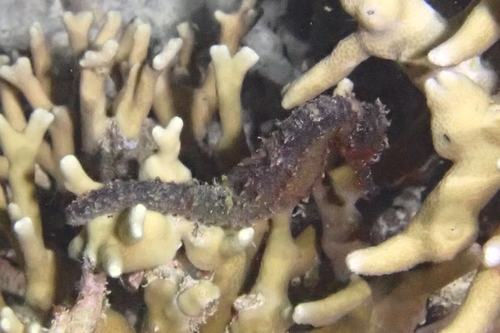
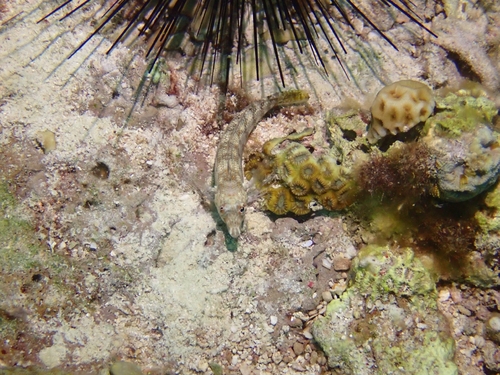
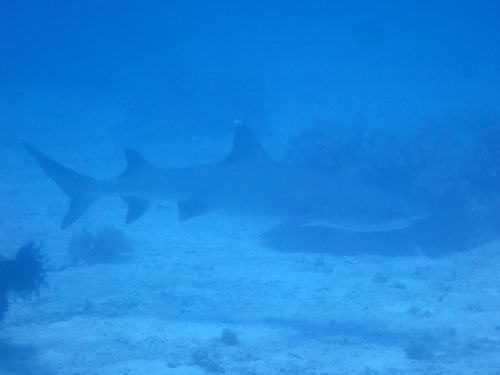
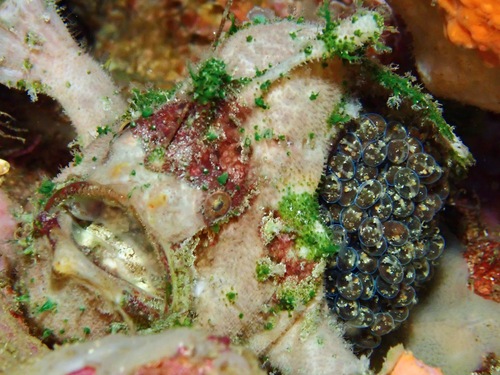
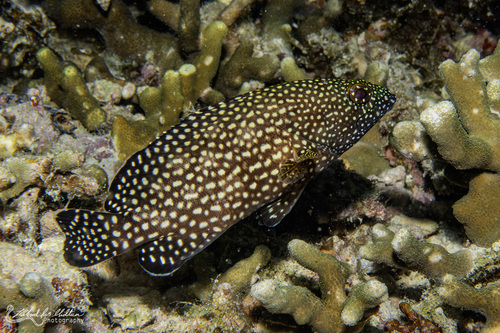
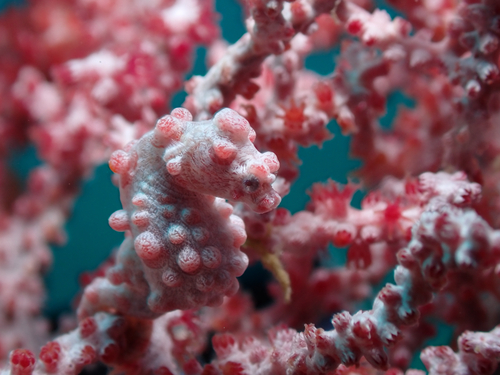
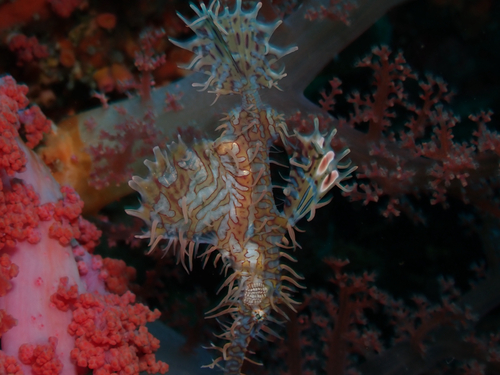
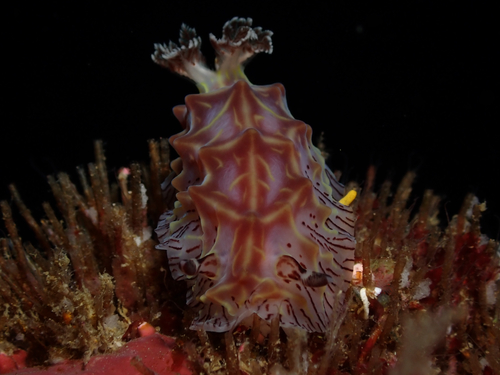
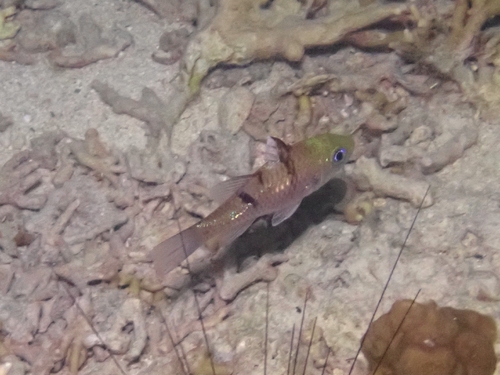
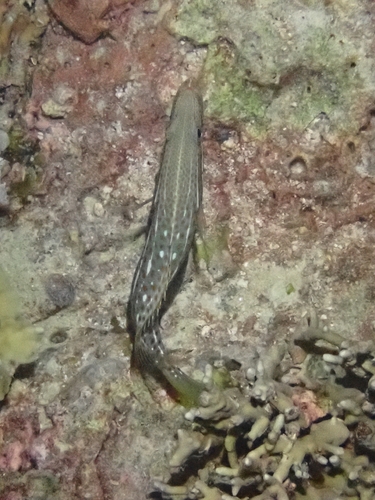
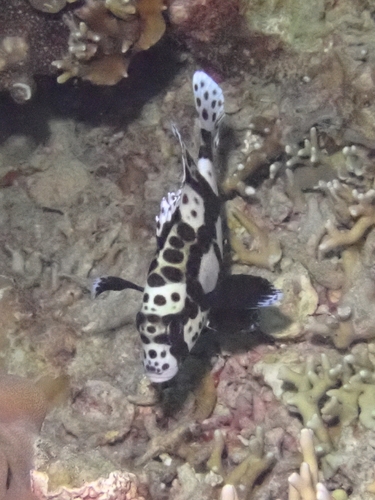
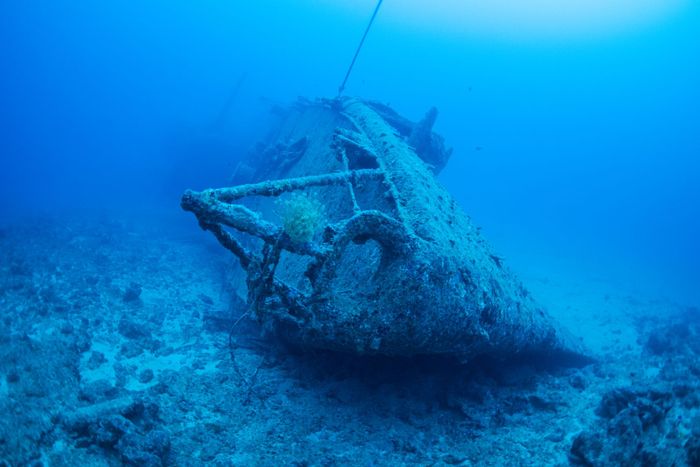
Japanese Ship Wreck sits in Philippine waters as a significant historical dive destination. The wreck offers a tangible connection to World War II maritime history and draws divers seeking structure-based exploration. The site hosts 12 documented species observations, indicating healthy fish populations around the wreck's surfaces and crevices. Visibility conditions and depth vary by season, so check with local operators before booking. The wreck's structure creates natural habitats for reef fish and other marine organisms that have colonized the hull over decades. Community-submitted videos provide insight into what awaits divers; three clips document the site's conditions and wildlife. The area is not within a marine protected zone, but coral bleaching remains a consideration for the broader reef ecosystem. Year-round access makes this a flexible option for travelers with variable schedules. Plan dives with local knowledge—conditions shift seasonally, and wreck diving requires awareness of current, visibility, and structural integrity around the site.
📖 Guía: Buceo en Filipinas: 119 sitios, naufragios y paredes que justifican el vuelo
Vida marina
Tipos de buceo
Esenciales del viaje
Todo lo que necesitas antes de hacer la maleta — checklist, sol, logística.
Trip checklist
- 🛂 Visa-free or visa-on-arrival
- 📜 C-card + dive insurance (DAN)
- 📔 Dive logbook
- 🧴 Reef-safe sunscreen SPF 50+
- 🔌 Plug type A/B/C · 220V adapter
- 💊 Seasickness meds + ear drops
- 📱 Offline maps + emergency contact
Quick facts
- 🌓 Moon First quarter · 48%
- GPS
› Información de sostenibilidad
Desde tu país de salida
- Visado: Visado a la llegada · 30 días máx.
- Vuelo: 12h · directo
- Jet-lag: 11h este · 8 días de recuperación
Preguntas frecuentes
›Can I dive Japanese Ship Wreck year-round?
Yes, the site is accessible year-round. However, seasonal conditions affect visibility and current strength. Check with local dive operators for optimal windows and current forecasts before your trip.
›What marine life can I expect at the wreck?
The site hosts 12 documented species observations. Fish and other organisms have colonized the wreck structure. Expect typical reef and wreck-associated marine life, but exact species vary seasonally.
›Is the site protected or restricted?
Japanese Ship Wreck is not inside a marine protected area, so standard Philippine diving regulations apply. Always verify local rules and any permit requirements with operators before diving.
›How deep is the wreck and what's the difficulty level?
Specific depth and difficulty data are not confirmed. Contact local dive operators for current site details, including maximum depth, current conditions, and skill recommendations for safe exploration.