About this spot
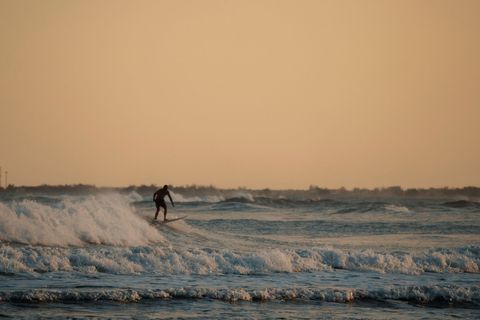
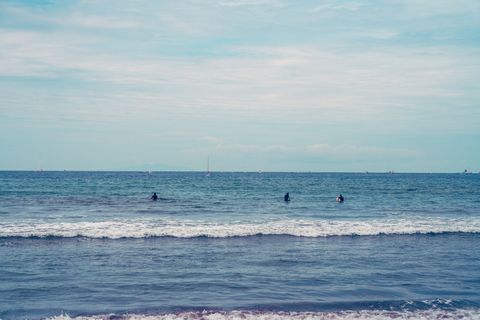
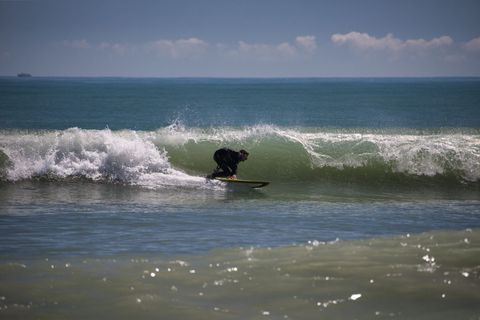
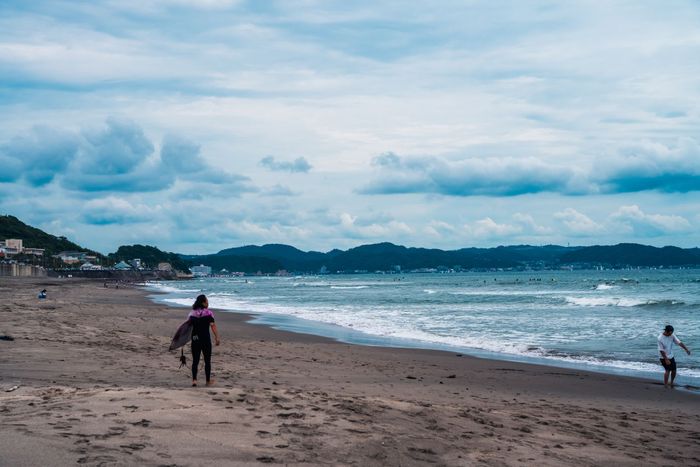
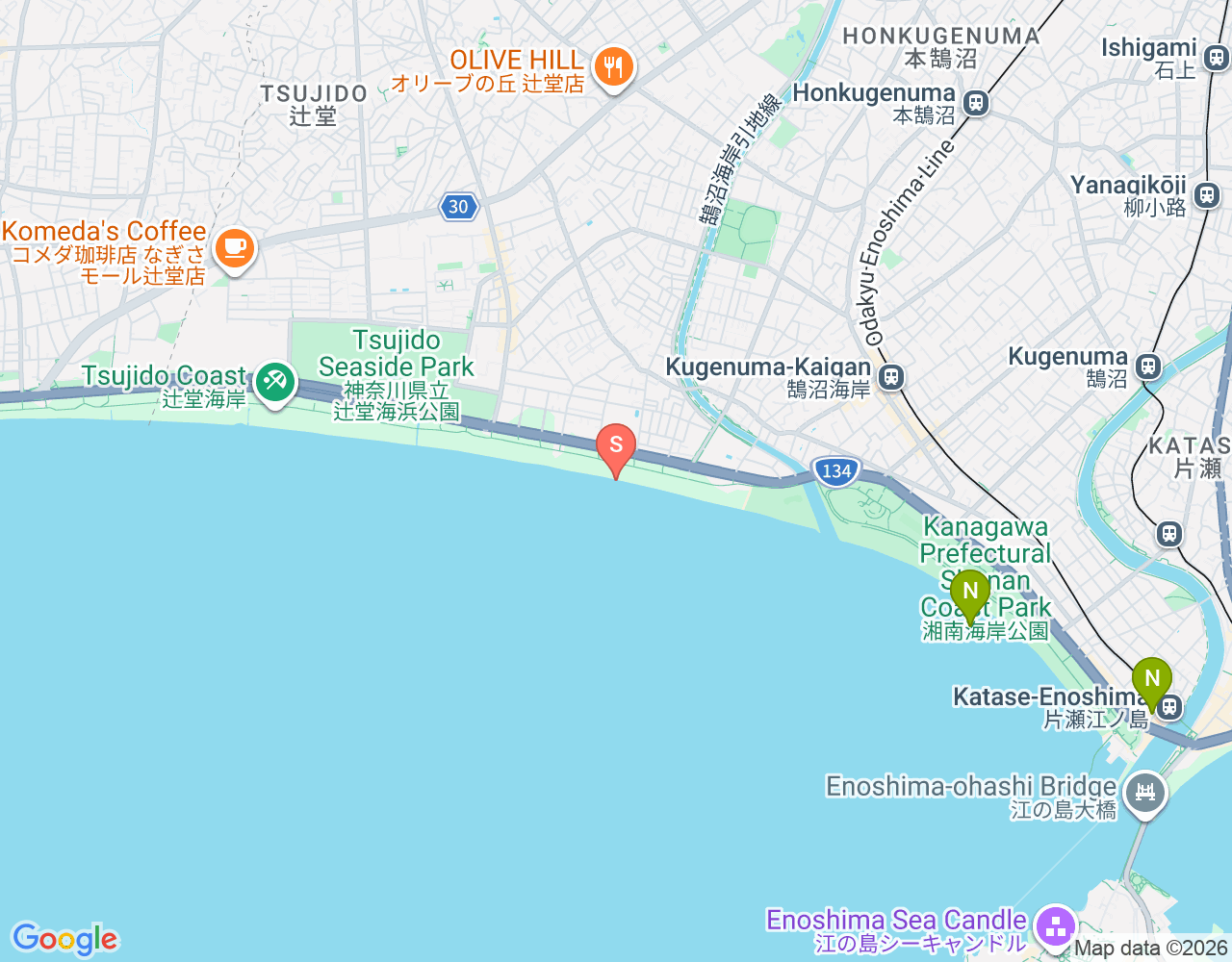
Tsujidō Beach sits along Kanagawa Prefecture's coastline, where the Hikiji River system feeds into the Pacific. The area sees swell from multiple directions across the calendar, making it a reliable spot for surfers of varying skill levels. The beach break here develops sandbars that shift seasonally, creating new peaks and channels worth exploring with each visit. The lineup typically works best during mid-tide, when the bar structure becomes more defined. Local knowledge helps—the break responds differently depending on swell direction and size. Crowds tend to build on weekends, but weekday mornings often offer quieter sessions. Access is straightforward from Tsujidō Station, which sits just inland from the beach. The area has basic facilities and a small local surf community. Water conditions vary through the year, so checking current reports before you go saves time. Nearby spots within a short drive offer alternatives if conditions shift.
📖 Guía: Buceo en Japón: 42 sitios desde tiburones hasta monumentos de piedra
Tipos de buceo
Esenciales del viaje
Todo lo que necesitas antes de hacer la maleta — checklist, sol, logística.
Trip checklist
- 🛂 Visa-free or visa-on-arrival
- 🏄 Surfboard or rental confirmation
- 🧴 Reef-safe sunscreen SPF 50+
- 🔌 Plug type A/B · 100V adapter
- 💊 Seasickness meds + ear drops
- 📱 Offline maps + emergency contact
Quick facts
- 🌓 Moon First quarter · 47%
- GPS
› Información de sostenibilidad
Preguntas frecuentes
›Is Tsujidō good year-round?
Yes. The spot receives swell from multiple directions throughout the year, so there are workable waves in every season. Conditions shift with the weather, but the beach breaks here rarely go completely flat.
›What skill level suits this break?
The beach break accommodates surfers from beginner to intermediate. Sandbars create forgiving shoulders and workable walls. More experienced surfers can hunt tighter sections and carve steeper drops when swells are bigger.
›What do I need to know about access?
Tsujidō Station provides easy rail access from nearby cities. The beach sits a short walk away. Facilities include parking, toilets, and a few cafés. No special permits are required for surfing.
›When are crowds smallest?
Weekday mornings, especially in autumn and winter, tend to be quieter than weekends. Summer brings more beachgoers, which can make lineups busier across the whole day.