About this spot
S.S. Malmanger is a wreck dive destination on Ireland's coast, offering divers the chance to explore a sunken vessel. The site has documented marine life activity across 12 species observations, making it a point of interest for those studying wreck ecology and Irish maritime history. While specific depth and visibility data aren't currently logged, wreck dives in Irish waters typically require solid navigation skills and comfort in variable conditions. The site sits outside a marine protected area, so standard Irish diving regulations apply. The wreck attracts divers year-round, though planning around local weather and sea state remains essential. Species observations on record suggest the wreck has become an artificial reef hosting marine life. Access typically involves boat transport from nearby Irish ports. Divers interested in maritime archaeology, wreck penetration, or simply exploring Ireland's naval heritage will find value in this site. Current and visibility can vary, so thorough pre-dive briefings with local operators and knowledge of Irish coastal conditions are recommended.
📖 Guía: Buceo en Irlanda: 13 lugares donde los naufragios se encuentran con el Atlántico salvaje
Tipos de buceo
Esenciales del viaje
Todo lo que necesitas antes de hacer la maleta — checklist, sol, logística.
Trip checklist
- 🛂 Visa-free or visa-on-arrival
- 📜 C-card + dive insurance (DAN)
- 📔 Dive logbook
- 🧴 Reef-safe sunscreen SPF 50+
- 💊 Seasickness meds + ear drops
- 📱 Offline maps + emergency contact
Quick facts
- 🌓 Moon First quarter · 47%
- GPS
› Información de sostenibilidad
Preguntas frecuentes
›When is the best time to dive S.S. Malmanger?
The site is accessible year-round, but summer and early autumn generally offer more stable sea conditions and longer daylight hours. Always check local weather and tidal forecasts before planning a trip.
›What depth and difficulty should I expect?
Specific depth data is not documented for this site. Wreck dives in Irish waters typically require intermediate or advanced skills due to current, navigation challenges, and potential penetration. Always dive within your training limits.
›What marine life is found here?
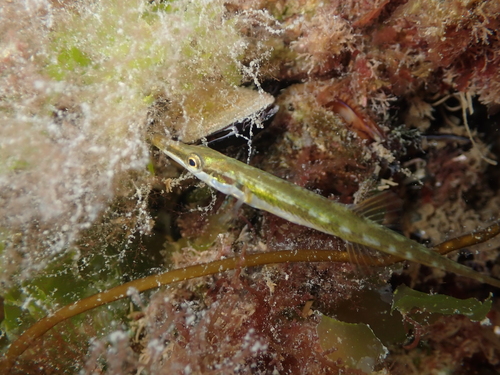
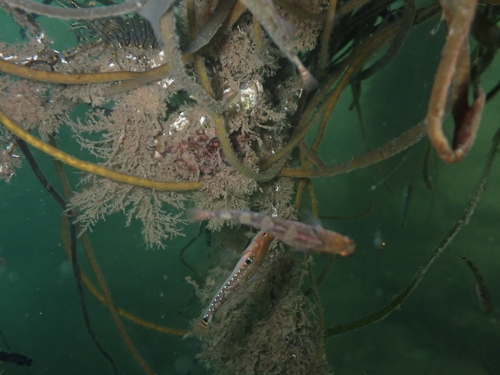
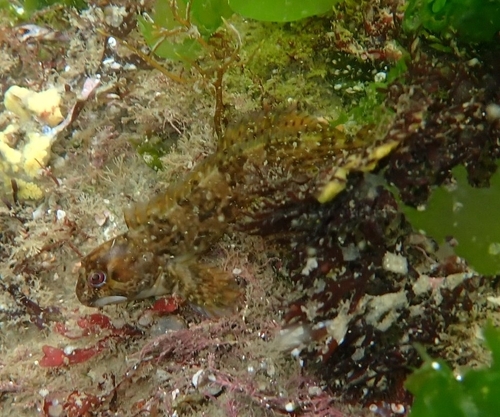
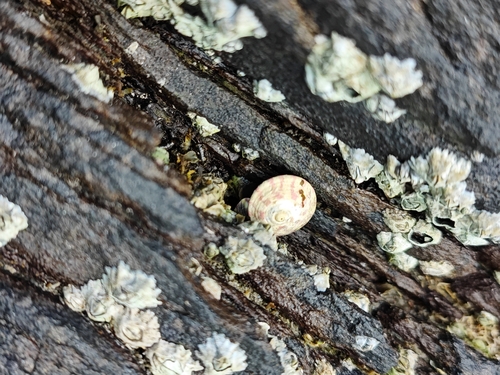
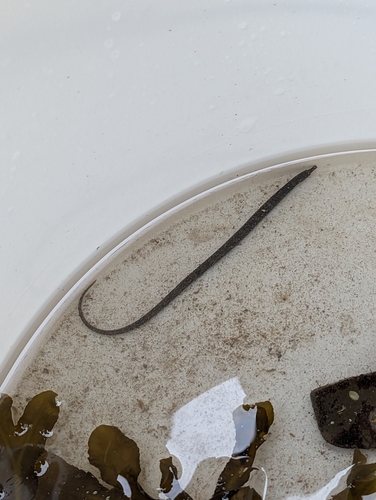
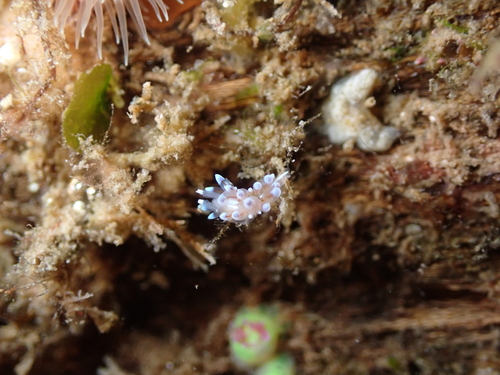
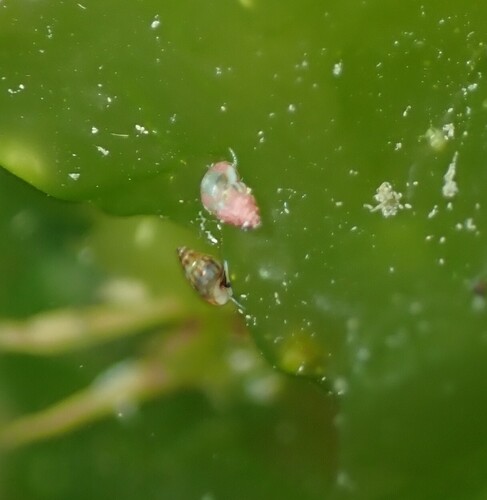
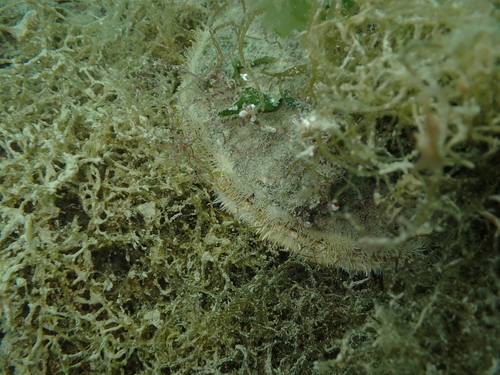
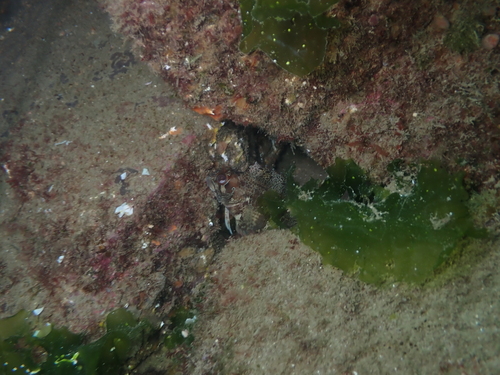
Twelve species observations have been recorded at the wreck, indicating it functions as an artificial reef. Marine life data is available but specific species details are not listed. Local dive guides can brief you on current sightings.
›Do I need permits or certifications to dive here?
No special permits are required as the site is not within a marine protected area. You'll need appropriate wreck-diving training and certification relevant to the depth and conditions. Arrange dives through established local operators.