About this spot
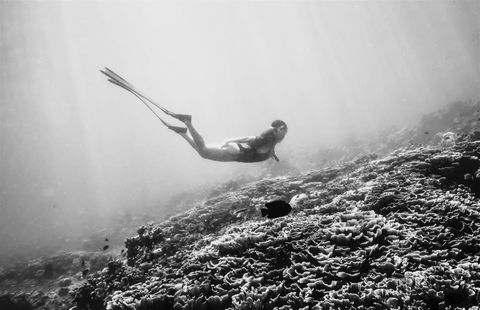
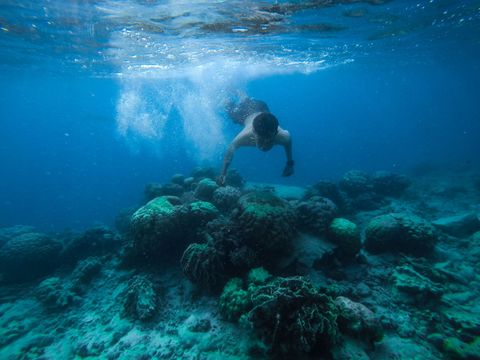
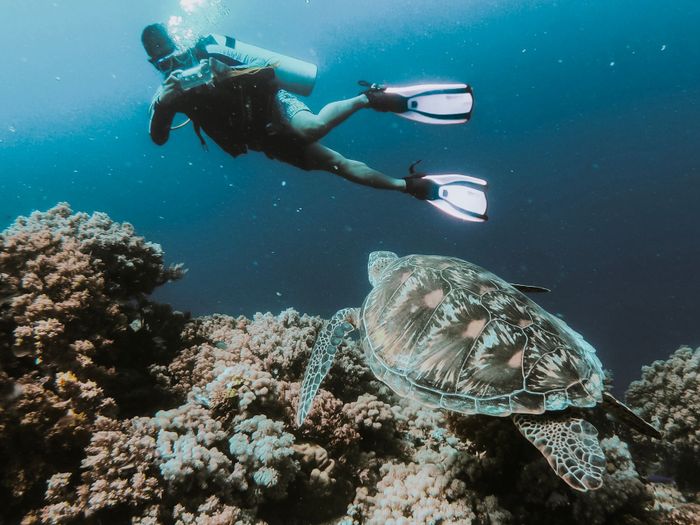
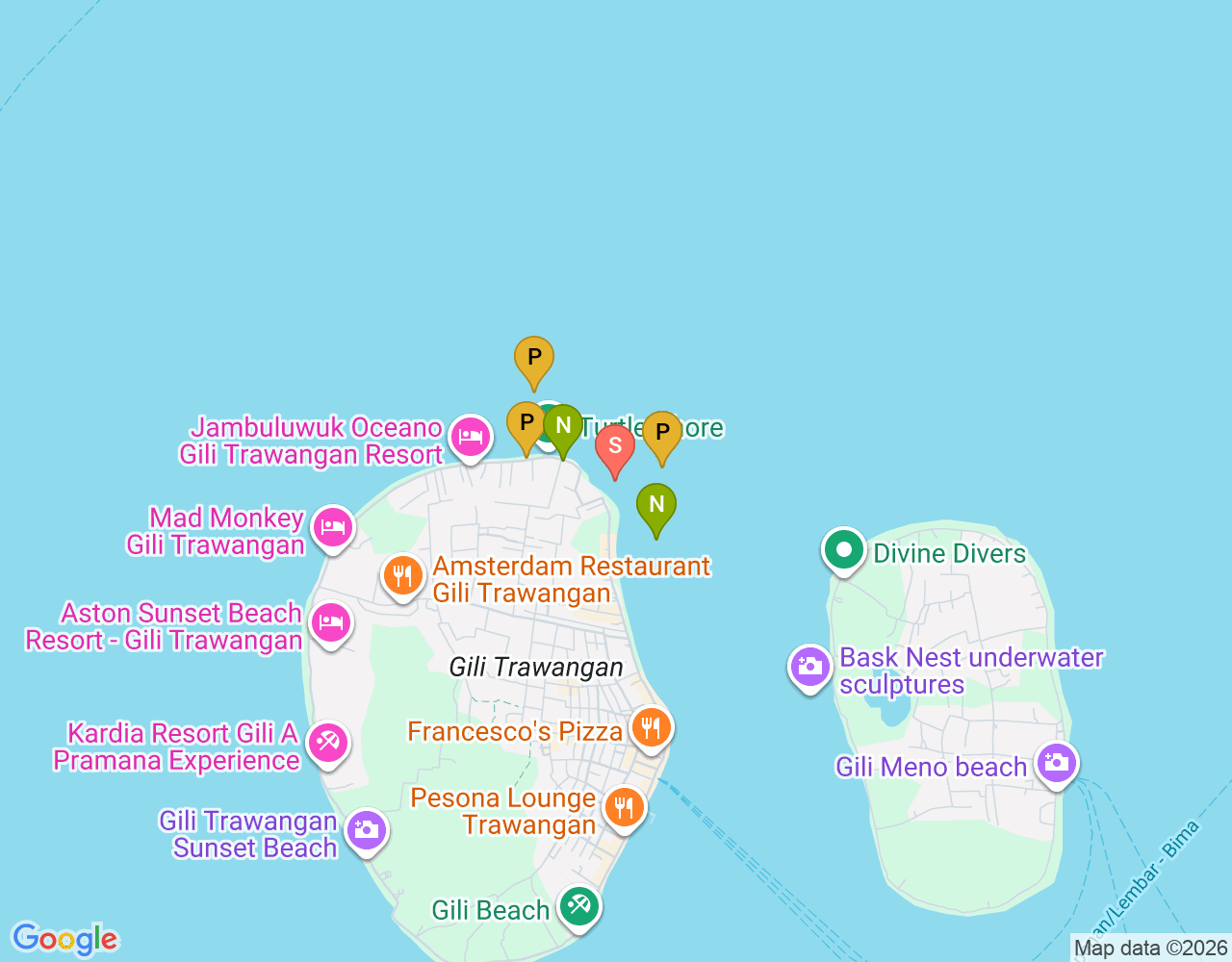
Turtle Snorkeling Spot sits within Taman Wisata Perairan Gili Ayer, Gili Meno, and Gili Trawangan, three small islands off Lombok's northwest coast. The area is a designated marine protected zone where green and hawksbill turtles feed and rest in shallow seagrass beds and coral gardens. You can enter the water from the beach and swim out to encounter these ancient mariners in their natural habitat. The spot works year-round, making it flexible for most travel schedules. Visibility varies with season and weather, but the shallow depths mean you'll get good views even on moderate-clarity days. The protected status keeps this area healthier than many Indonesian reefs, though coral bleaching remains a regional concern. Local operators run daily snorkeling trips from the main islands; check current conditions and operator credentials before booking. The marine reserve regulations protect both wildlife and visitors, so respect marked boundaries and avoid touching corals or turtles.
📖 Guía: Buceo en Indonesia: 323 sitios, mantas y microfauna
Mejores meses
Tipos de buceo
Esenciales del viaje
Todo lo que necesitas antes de hacer la maleta — checklist, sol, logística.
Trip checklist
- 🛂 Visa-free or visa-on-arrival
- 📜 C-card + dive insurance (DAN)
- 📔 Dive logbook
- 🧴 Reef-safe sunscreen SPF 50+
- 🔌 Plug type C/F · 230V adapter
- 💊 Seasickness meds + ear drops
- 📱 Offline maps + emergency contact
Quick facts
- 🌓 Moon First quarter · 48%
- GPS
› Información de sostenibilidad
Desde tu país de salida
- Visado: Visado a la llegada · 30 días máx.
- Vuelo: 12h · directo
- Jet-lag: 12h este · 8 días de recuperación
Preguntas frecuentes
›When is the best time to see turtles here?
Turtles are present year-round. Your best visibility and calmest water typically fall between April and October (dry season), but you can encounter them any month. Early morning trips often yield better encounters.
›How deep do you need to go?
This is shallow snorkeling in most areas—typically 1 to 8 meters. You don't need diving certification; strong swimmers with basic snorkel skills can participate. Beginners and non-swimmers should ask operators about depth and current conditions for their chosen site.
›What marine life will I see besides turtles?
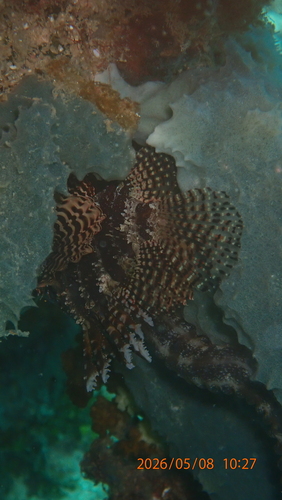
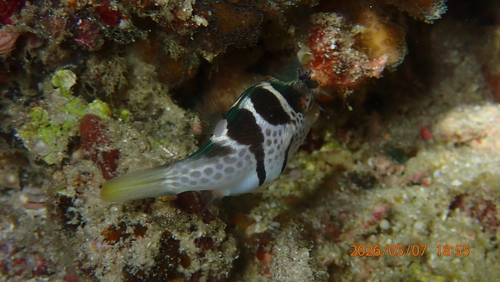
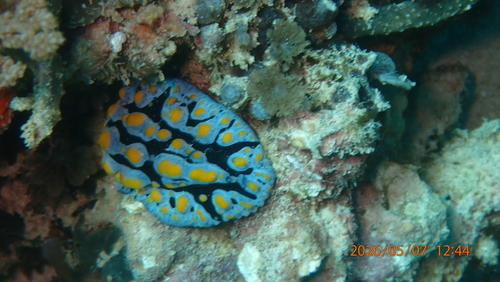
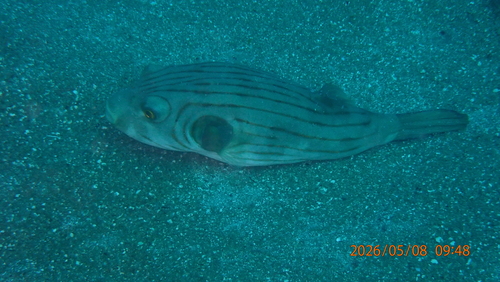
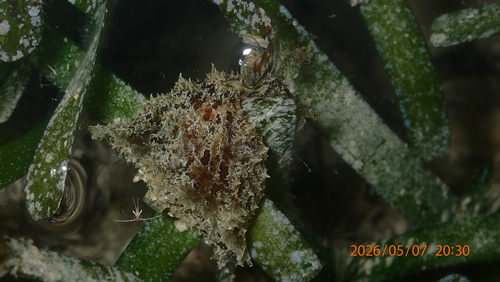
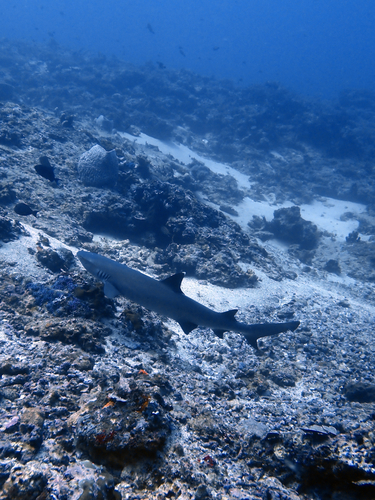
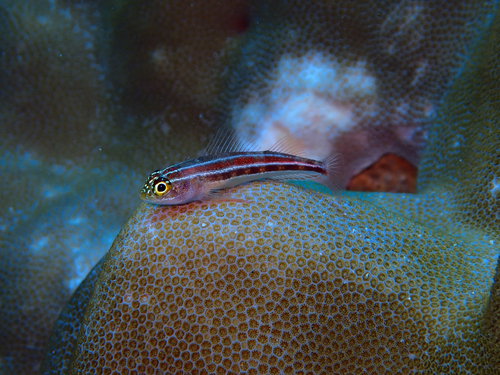
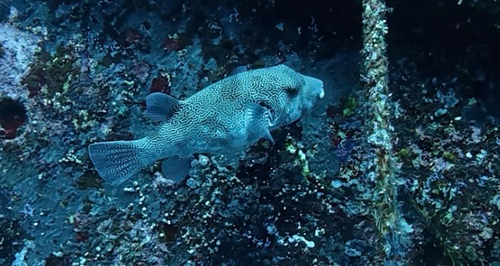
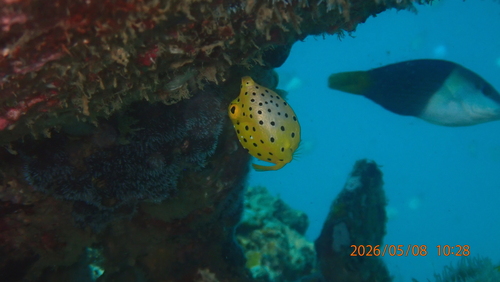
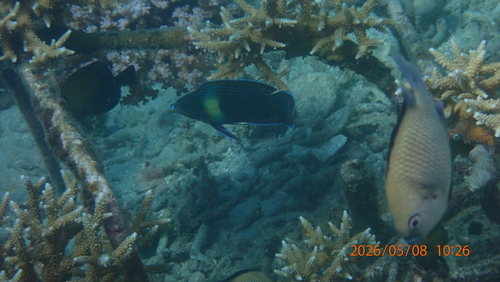
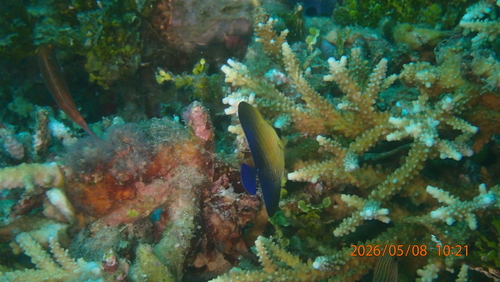
The seagrass beds and coral patches host reef fish, giant clams, sea cucumbers, and occasional reef sharks. Documented species observations number at least 12, so biodiversity is solid despite regional bleaching stress.
›Do I need permits or special access?
The area is a marine protected zone. You must snorkel with an authorized local operator or guide; independent entry is restricted. Operators handle permits and fees. Respect closed zones and seasonal restrictions to protect nesting sites.