About this spot
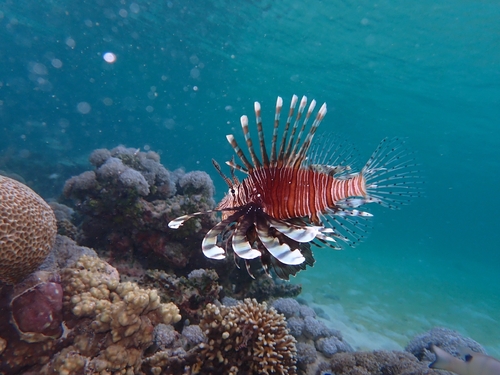
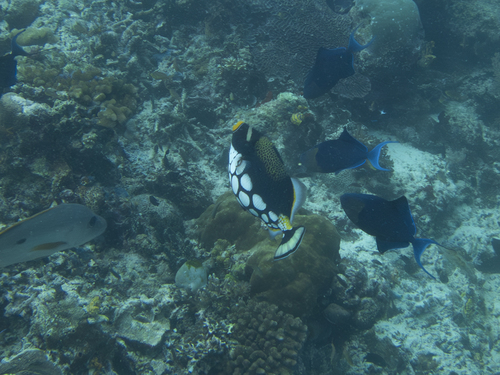
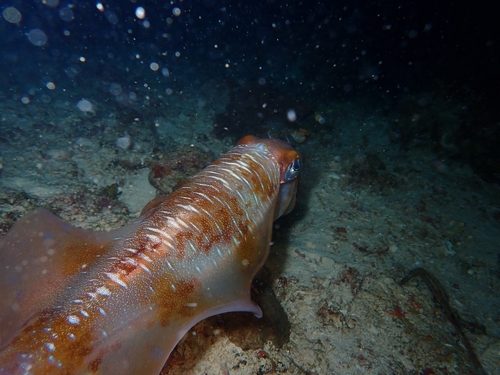
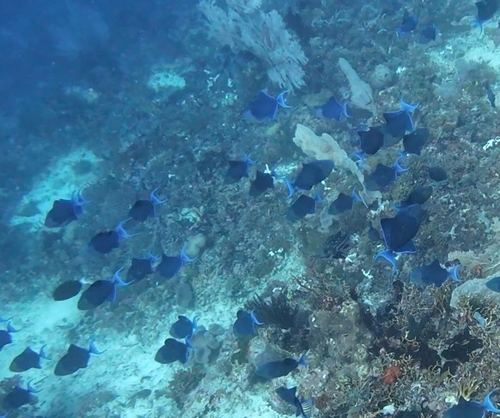
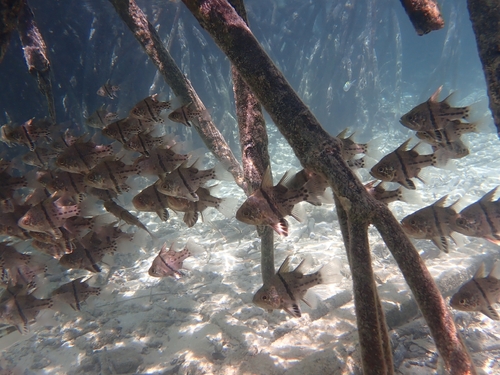
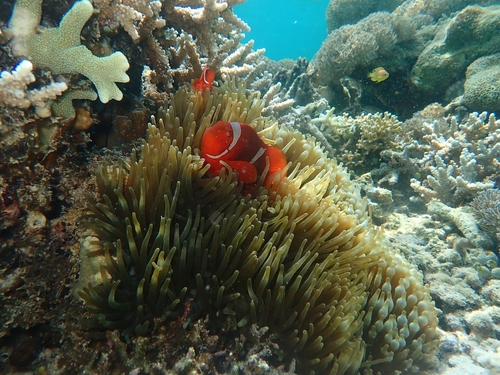
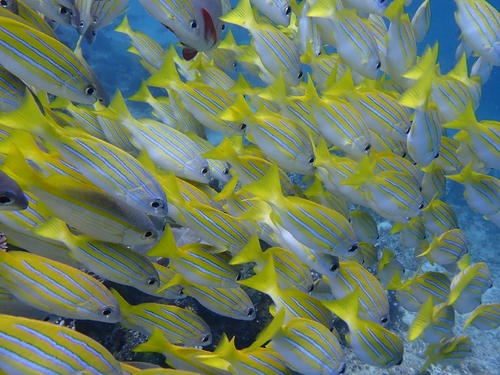
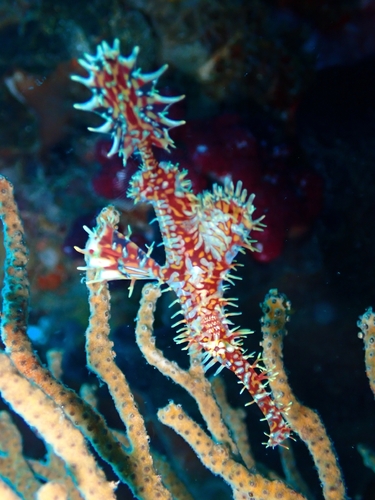
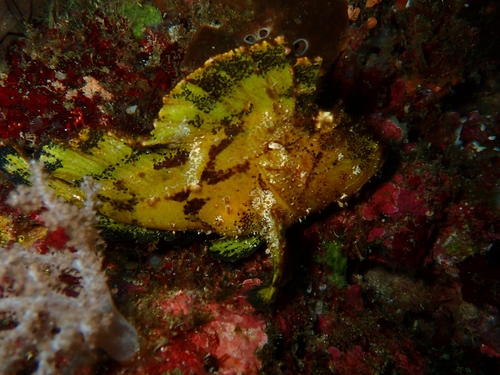
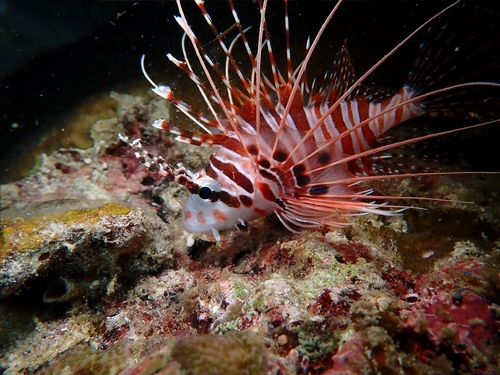
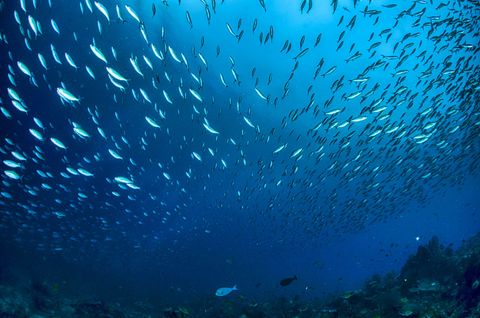
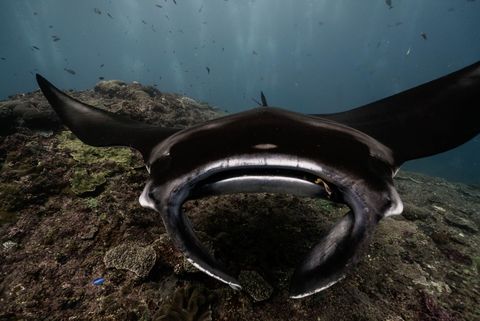
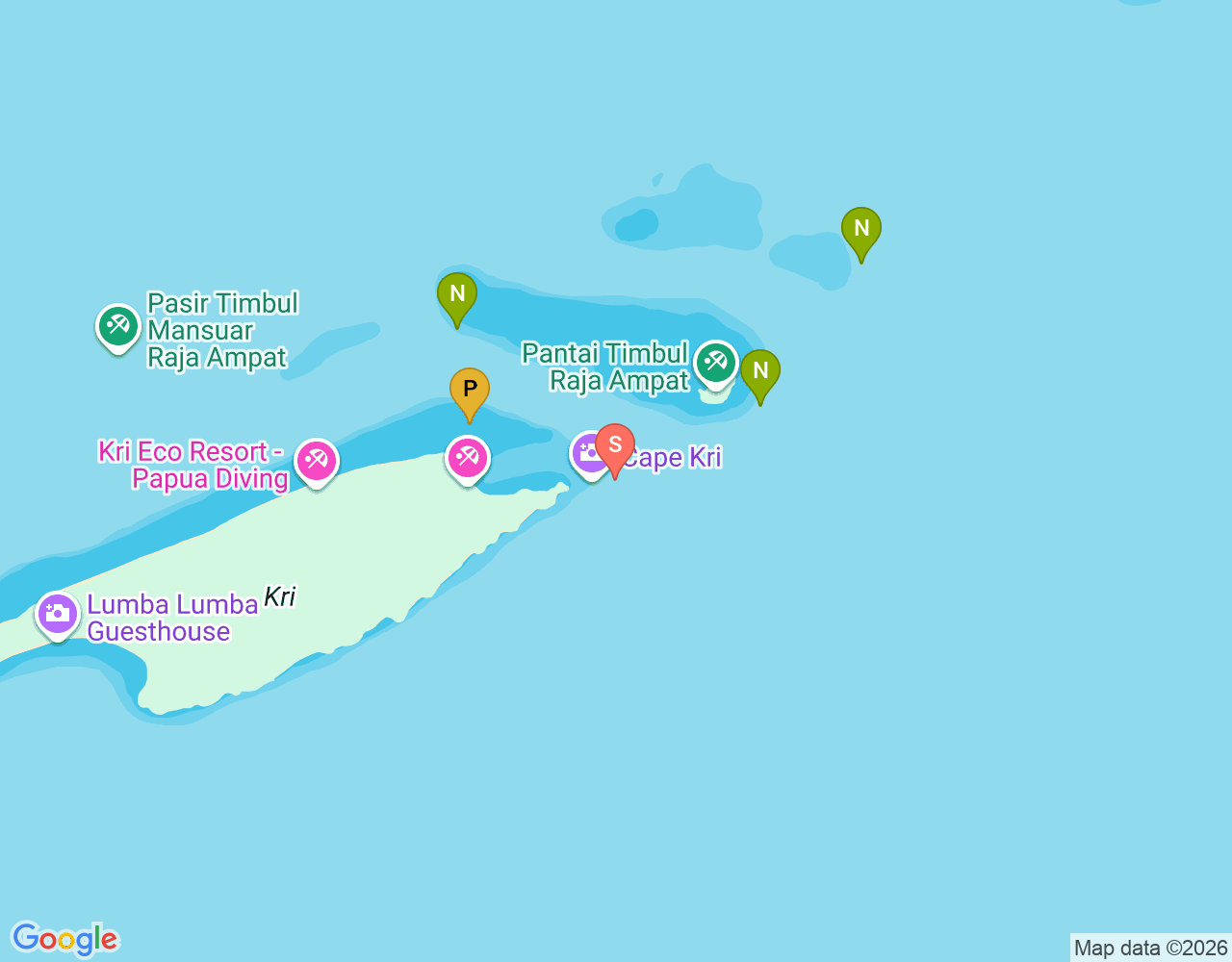
Cape Kri sits in Indonesia's Raja Ampat archipelago, one of the planet's richest marine biodiversity zones. The site draws divers for its consistent fish action, intricate coral formations, and reliable conditions throughout the year. The cape's position creates natural current flows that bring nutrients and pelagic activity to the reef, making it a reliable choice whether you're hunting macro subjects or scanning for larger reef residents. The area supports diverse coral ecosystems and hosts the species diversity documented by the dive community. Local observations have logged 12 distinct species at the site, giving you a solid sense of what lives here. Visibility varies seasonally but generally allows good underwater sightseeing. Water temperature stays warm year-round, typical of this equatorial region. Cape Kri sits outside marine protected area boundaries, making access straightforward. The site is accessed via boat from Raja Ampat's main hubs, typically as part of multi-day liveaboard or day-trip operations. Community video documentation provides real-world insight into conditions and marine encounters. The area is currently flagged for coral bleaching monitoring, so check recent reports before booking to assess current reef health.
📖 Guía: Buceo en Indonesia: 323 sitios, mantas y microfauna
Mejores meses
Vida marina
Tipos de buceo
Esenciales del viaje
Todo lo que necesitas antes de hacer la maleta — checklist, sol, logística.
Trip checklist
- 🛂 Visa-free or visa-on-arrival
- 🤿 Pack: 3/2 mm shorty
- 📜 C-card + dive insurance (DAN)
- 📔 Dive logbook
- 🧴 Reef-safe sunscreen SPF 50+
- 🔌 Plug type C/F · 230V adapter
- 💊 Seasickness meds + ear drops
- 📱 Offline maps + emergency contact
Quick facts
- 🌓 Moon First quarter · 48%
- 🤿 Wetsuit 3/2 mm shorty
- GPS
› Información de sostenibilidad
Desde tu país de salida
- Visado: Visado a la llegada · 30 días máx.
- Vuelo: 12h · directo
- Jet-lag: 12h este · 8 días de recuperación
Preguntas frecuentes
›When is the best time to dive Cape Kri?
Cape Kri is diveable year-round. Conditions remain consistent throughout the year, though seasonal currents and weather patterns vary. Dry season (October–April) typically offers calmer seas, while wet season (May–September) brings stronger nutrient flows and active pelagic activity.
›What's the depth and difficulty level?
Specific depth and difficulty data aren't documented for Cape Kri. Check with local dive operators in Raja Ampat before your trip—they'll brief you on current conditions, depth profiles, and any experience requirements based on the day's dive plan.
›What marine life will I see?
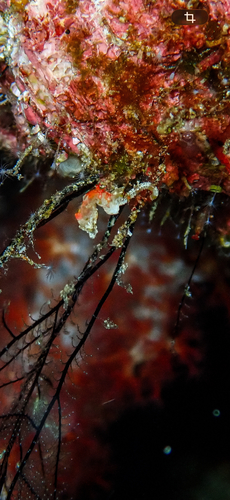
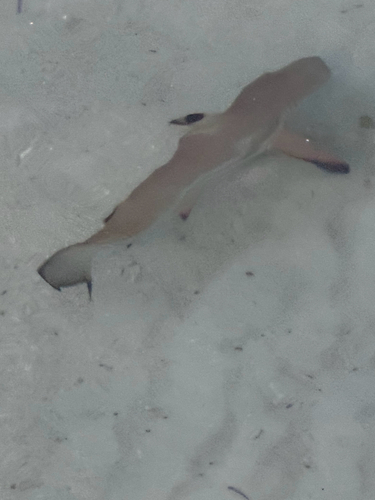
Cape Kri hosts 12 documented species observations, including reef fish, macro subjects, and varied coral dwellers. The site is known for prolific fish life driven by strong current flows. Specific species lists vary seasonally; ask your operator about current sightings.
›How do I get to Cape Kri and are permits needed?
Cape Kri is accessed by boat from Raja Ampat's main towns. It lies outside marine protected area boundaries, so standard Indonesian diving permits apply. Most visitors join liveaboards or book day trips through local operators who handle all logistics.