About this spot
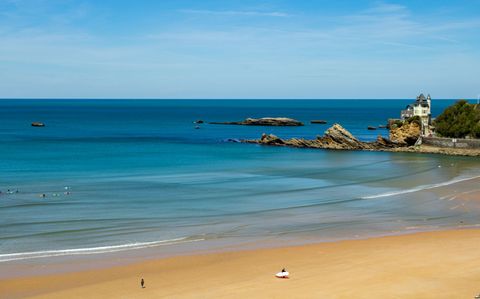
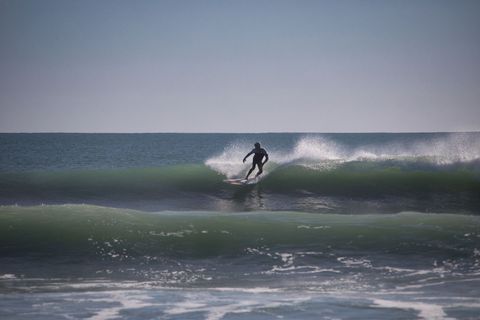
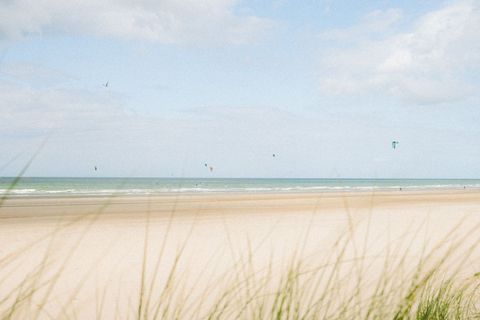
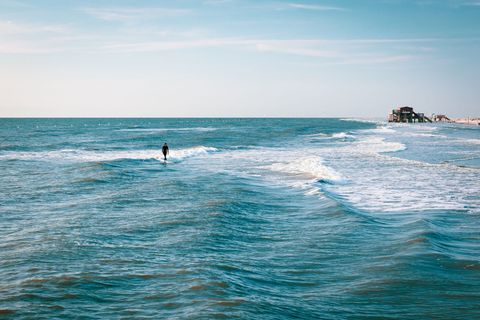
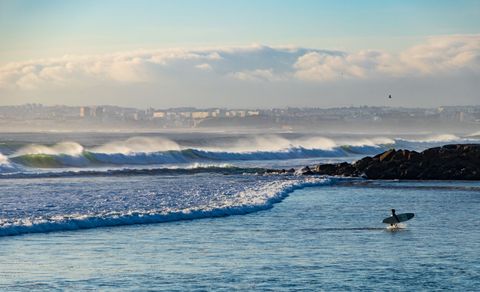
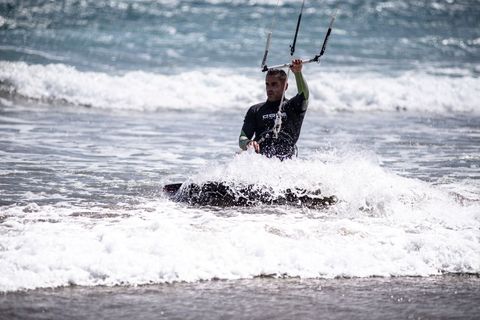
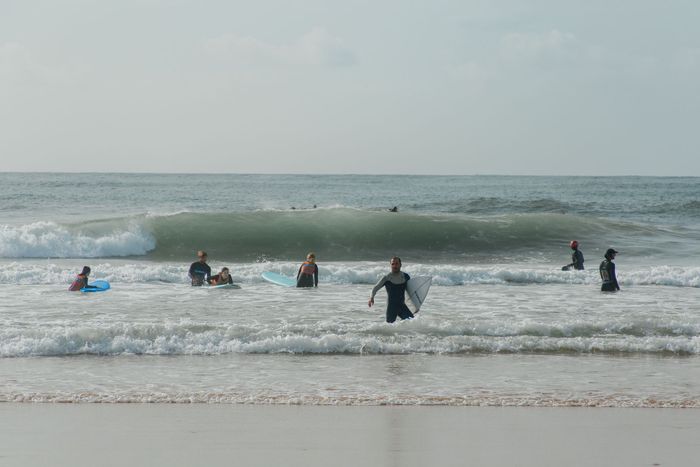
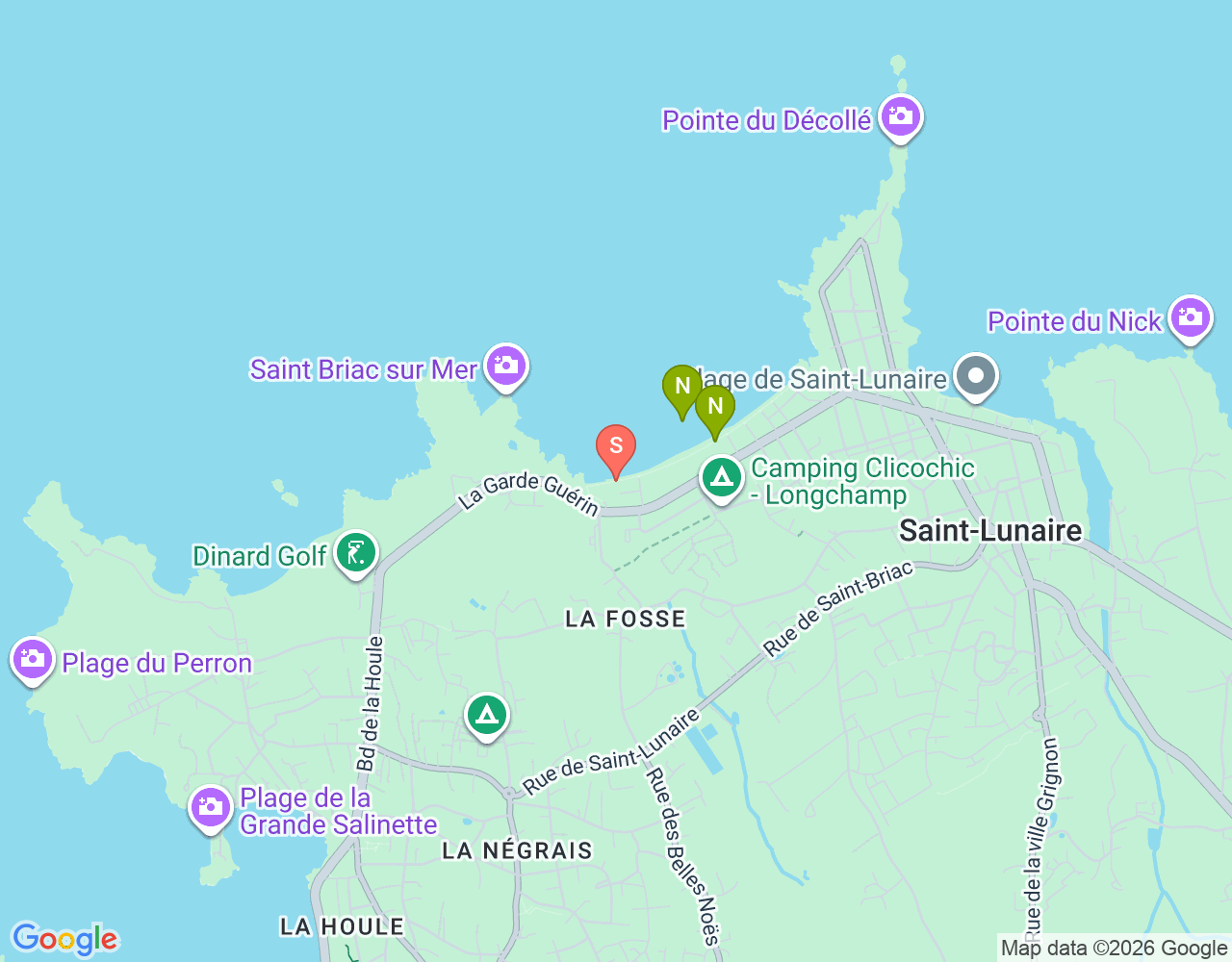
Surf Harmony sits along France's Emerald Coast in a marine protected area, the Parc naturel régional Vallée de la Rance - Côte d'Émeraude. The spot draws surfers throughout the year, offering consistent access to Atlantic swells that shape this northern French coastline. The surrounding landscape is defined by the Rance estuary's dramatic granite cliffs and tidal dynamics, which create unique wave conditions. Being inside a regional natural park means the area is managed for environmental protection while remaining accessible to water sports. The break's location near the historic Dinard Golf Club anchors it firmly in a developed but nature-conscious coastal zone. Local community has documented the spot well, with multiple video submissions capturing conditions across seasons. Whether you're chasing autumn storms or summer groundswells, Surf Harmony stays active year-round. The protected status keeps development minimal, preserving the character of this Breton break and its surrounding ecosystem. Access and logistics are straightforward from nearby towns, making it practical for both locals and visiting surfers.
📖 Guía: Buceo en Francia: 220 Lugares Desde Lagos Alpinos Hasta Arrecifes Tropicales
Mejores meses
Vida marina
Esenciales del viaje
Todo lo que necesitas antes de hacer la maleta — checklist, sol, logística.
Trip checklist
- 🛂 Visa-free or visa-on-arrival
- 🏄 Surfboard or rental confirmation
- 🧴 Reef-safe sunscreen SPF 50+
- 🔌 Plug type C/E/F · 230V adapter
- 💊 Seasickness meds + ear drops
- 📱 Offline maps + emergency contact
Quick facts
- 🌓 Moon First quarter · 48%
- GPS
› Información de sostenibilidad
Preguntas frecuentes
›When is the best time to surf Surf Harmony?
Surf Harmony works year-round. Atlantic swells consistently reach this northern French coast in autumn and winter, while summer often delivers smaller, cleaner waves. No single season shuts down the break.
›What kind of surfer is Surf Harmony suited for?
Without published difficulty ratings, check community videos to assess wave size and power. The break's year-round activity suggests it handles various swell angles and strengths; watch footage to match your level.
›What marine life should I expect?
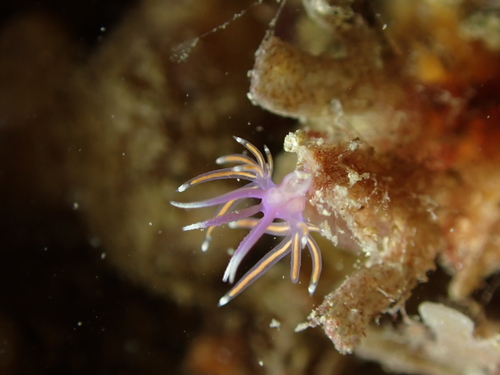
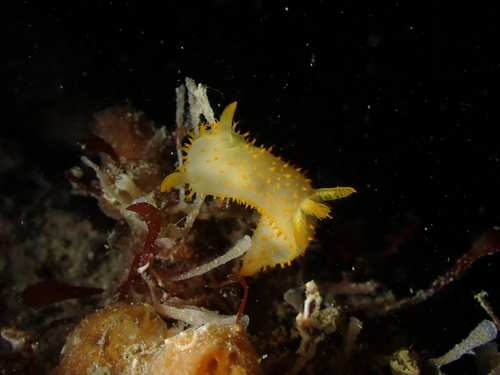
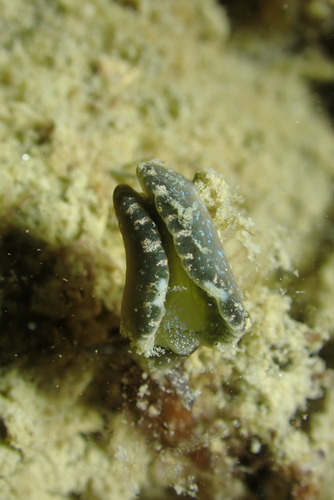
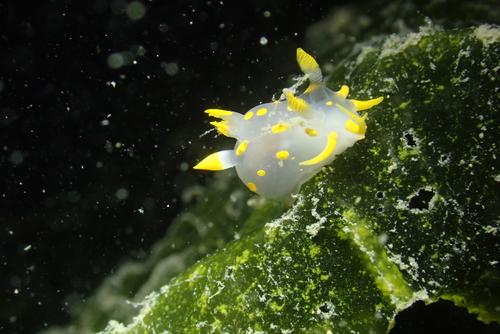
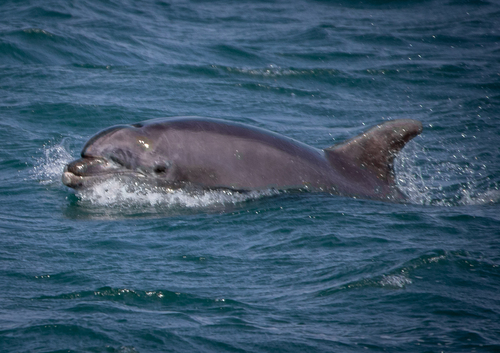
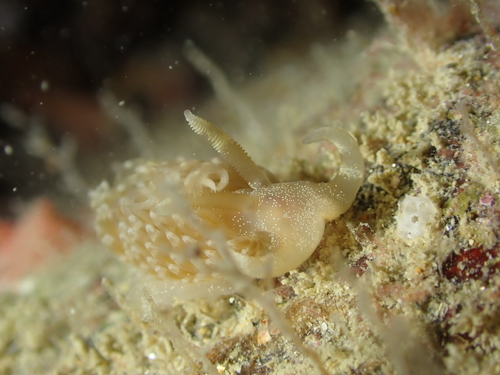
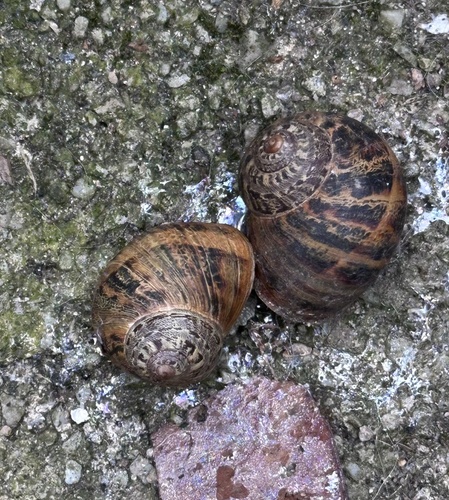
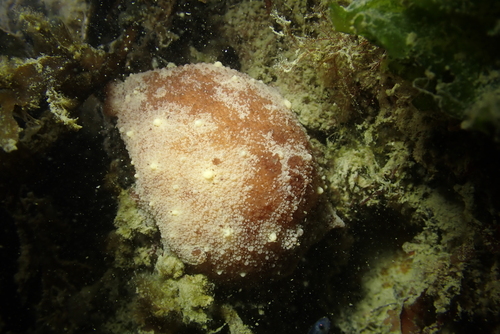
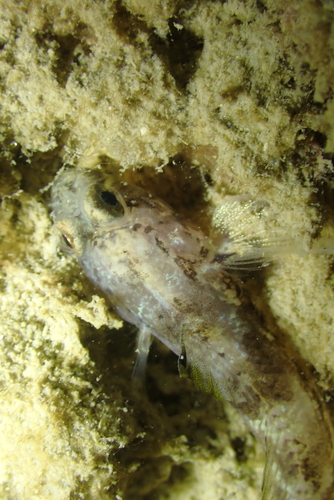
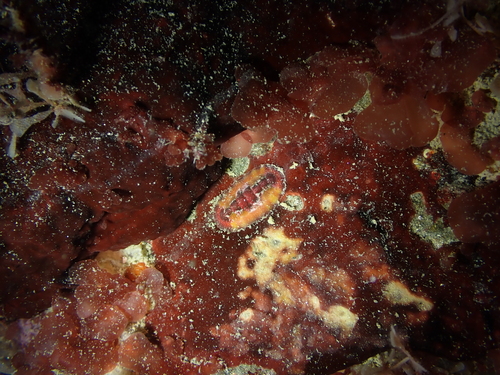
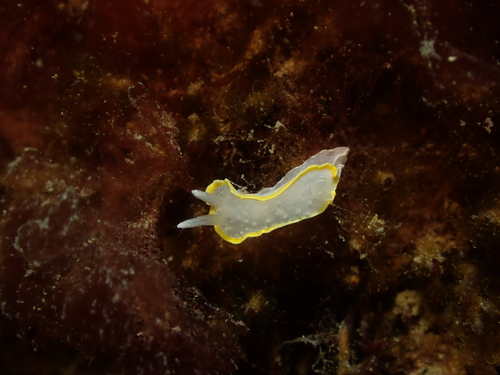
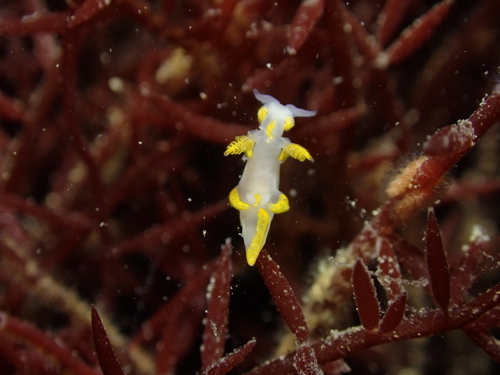
The Vallée de la Rance estuary supports Atlantic fish and crustacean populations typical of Breton waters. Twelve species observations exist in local databases; review them for exact fauna details relevant to the break zone.
›Are there access restrictions or permits needed?
The spot sits inside a regional natural park. Check with local authorities in Dinard for current access rules, parking, and any seasonal restrictions. Most regional parks allow water sports; verify before your visit.