About this spot
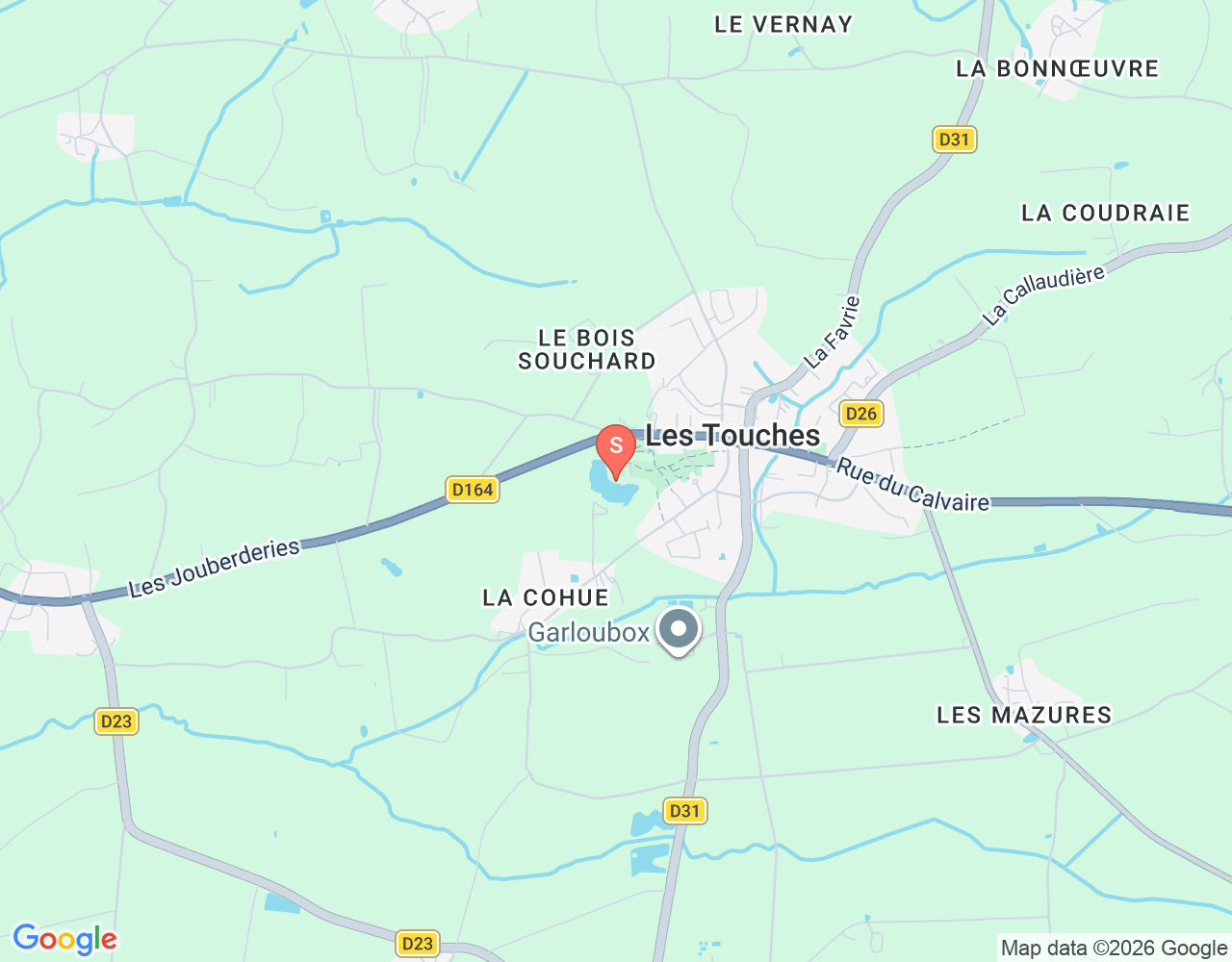
Étang de la Carrière du Mont Juillet is a freshwater quarry dive in France that draws divers looking for an accessible site away from the ocean. The flooded quarry offers a unique environment different from typical coastal dives. Limited technical data is publicly available, but the site has attracted enough community interest to generate video documentation and species observations. Divers visiting this site should research current conditions beforehand, as quarry diving often involves sudden depth changes, unstable substrates, and variable water clarity. The year-round access makes it a solid option for off-season training or building cold-water experience in temperate freshwater. With three recorded species observations available through community contributions, the site hosts identifiable aquatic life worth documenting. Video content from visitors provides real-world insight into what to expect underwater. Check locally for any access restrictions or parking requirements before planning your dive trip.
📖 Guía: Buceo en Francia: 220 Lugares Desde Lagos Alpinos Hasta Arrecifes Tropicales
Tipos de buceo
Esenciales del viaje
Todo lo que necesitas antes de hacer la maleta — checklist, sol, logística.
Trip checklist
- 🛂 Visa-free or visa-on-arrival
- 📜 C-card + dive insurance (DAN)
- 📔 Dive logbook
- 🧴 Reef-safe sunscreen SPF 50+
- 🔌 Plug type C/E/F · 230V adapter
- 💊 Seasickness meds + ear drops
- 📱 Offline maps + emergency contact
Quick facts
- 🌓 Moon First quarter · 48%
- GPS
› Información de sostenibilidad
Preguntas frecuentes
›Can I dive Étang de la Carrière du Mont Juillet year-round?
Yes, the site is accessible year-round, though water temperature and visibility vary seasonally. Plan accordingly with proper exposure protection and lights.
›What marine life is found here?
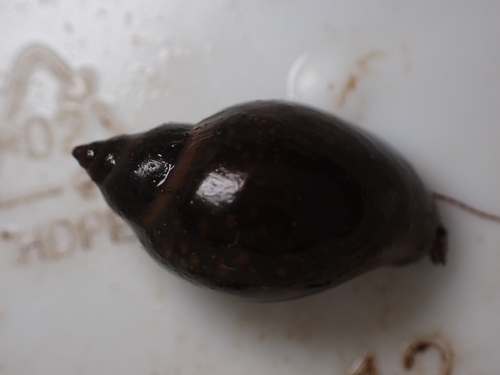
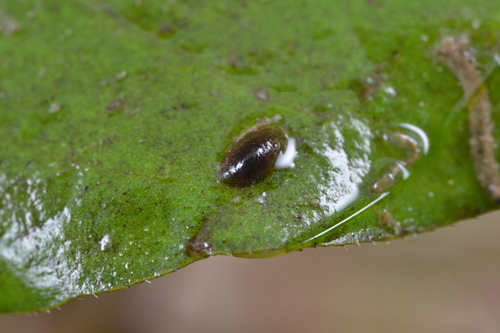
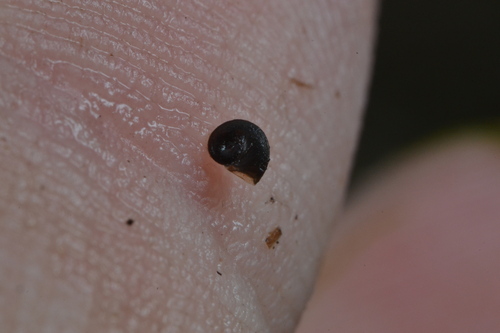
Three species observations have been documented at the site by community divers. Check recent video documentation for current sightings and behavioral notes.
›Are there permits or access fees?
No specific permit data is listed, but contact local authorities or dive clubs beforehand to confirm access rules and any parking or entry requirements.
›What are typical depth and visibility conditions?
Specific depth and visibility data are not documented online. Watch community videos or contact local divers for firsthand reports before your visit.