About this spot
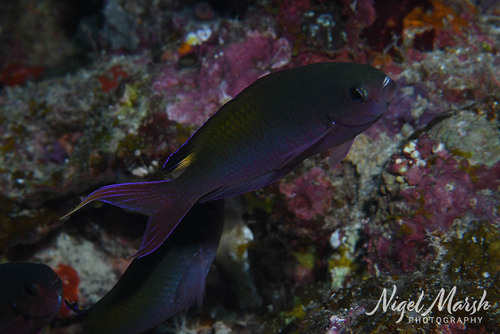
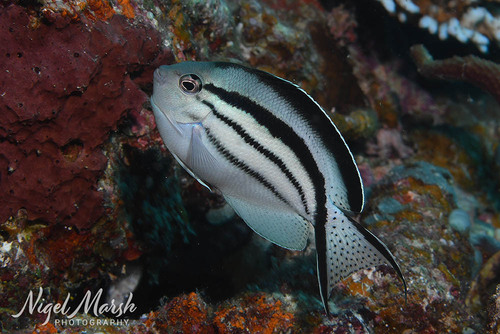
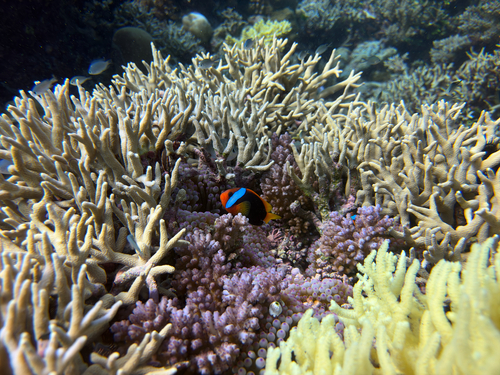
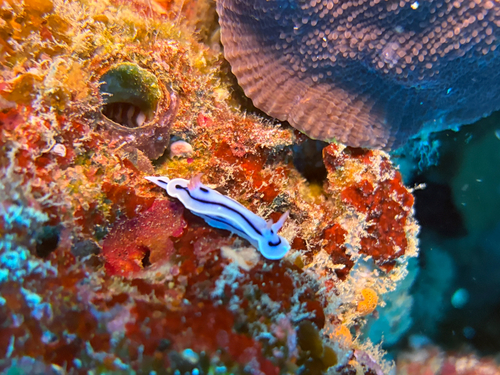
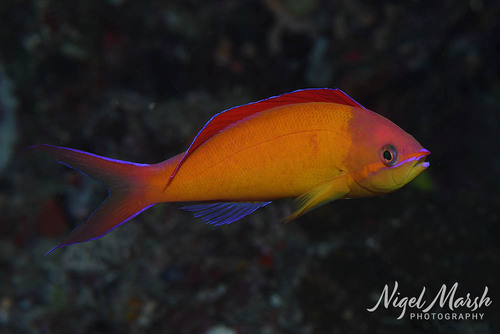
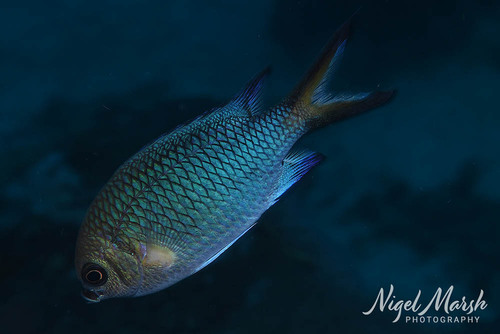
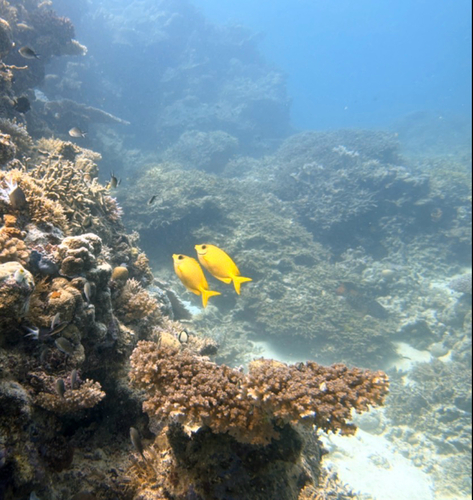
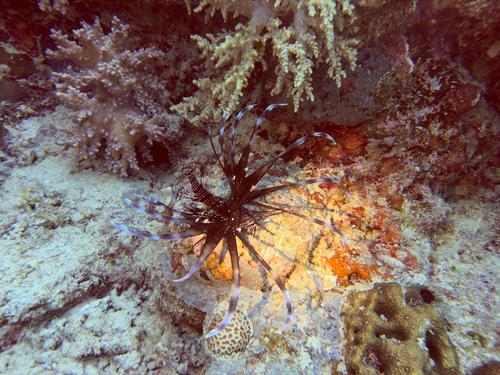
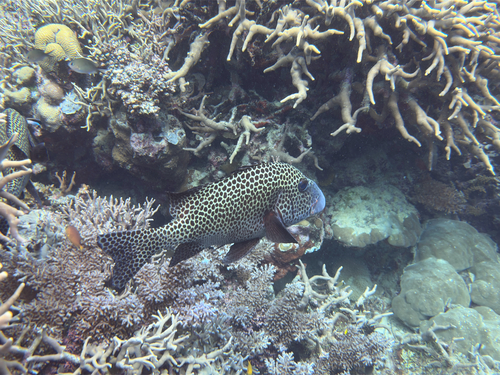
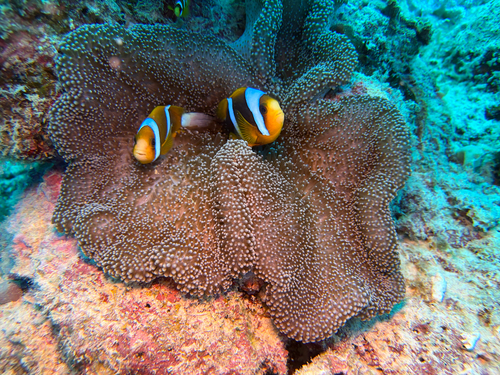
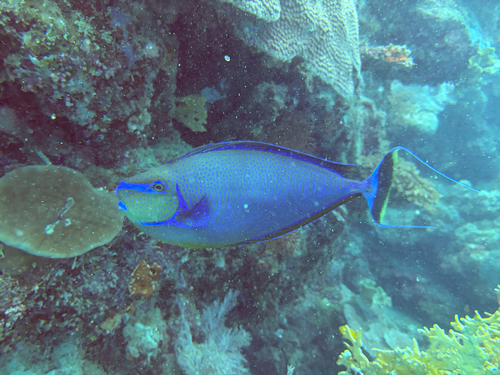
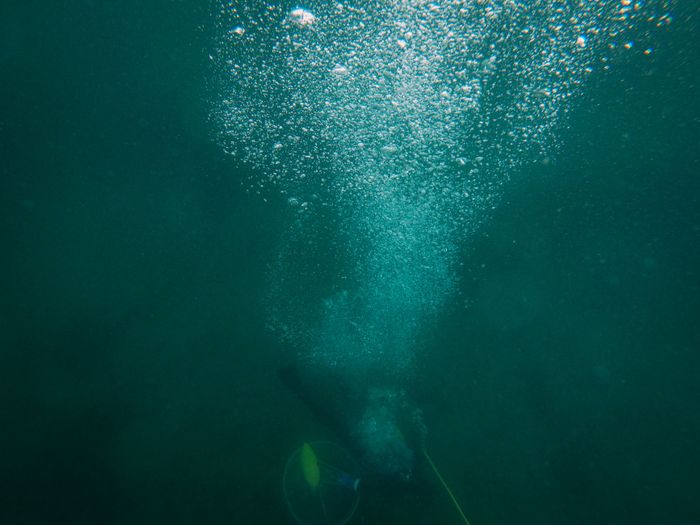
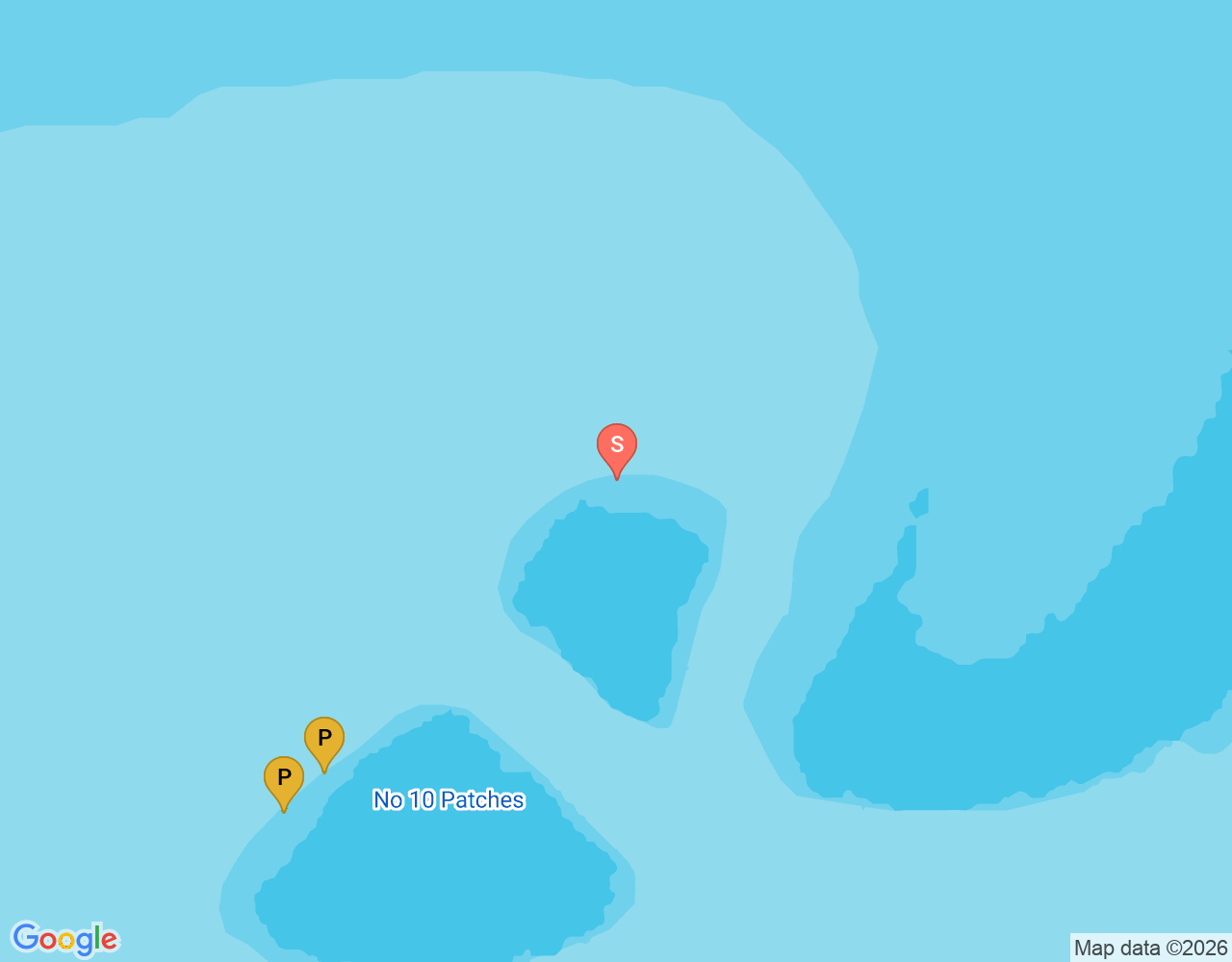
Challenger Bay sits within the Great Barrier Reef World Heritage Area, one of the planet's most protected marine ecosystems. The bay delivers consistent diving conditions throughout the year, making it accessible to divers on flexible schedules. Coral health remains strong here—recent monitoring shows no bleaching stress, a sign of stable environmental conditions. The site hosts a rich variety of marine species. Observations from the community document at least 12 different species in the area, reflecting the biodiversity typical of reef environments. Video footage from local divers provides real-world insight into conditions and wildlife encounters you can expect. Divers planning a trip should note that Challenger Bay operates under World Heritage Area protections. These regulations exist to preserve the reef's long-term health and ensure sustainable access for future visitors. Check with local dive operators for current entry requirements and any seasonal considerations before booking.
📖 Guía: Buceo en Australia: 61 sitios desde arrecifes de coral hasta pecios en aguas frías
Mejores meses
Tipos de buceo
Esenciales del viaje
Todo lo que necesitas antes de hacer la maleta — checklist, sol, logística.
Trip checklist
- 🛂 Visa-free or visa-on-arrival
- 📜 C-card + dive insurance (DAN)
- 📔 Dive logbook
- 🧴 Reef-safe sunscreen SPF 50+
- 🔌 Plug type I · 230V adapter
- 💊 Seasickness meds + ear drops
- 📱 Offline maps + emergency contact
Quick facts
- 🌓 Moon First quarter · 47%
- GPS
› Información de sostenibilidad
Desde tu país de salida
- Visado: e-Visa · 90 días máx.
- Vuelo: 16h · directo
- Jet-lag: 9h este · 6 días de recuperación
Preguntas frecuentes
›When is the best time to dive Challenger Bay?
Challenger Bay is diveable year-round, so you can plan your trip based on your own schedule rather than seasonal windows. Check with local operators for any weather or visibility patterns specific to your intended dates.
›What marine life can I expect to see?
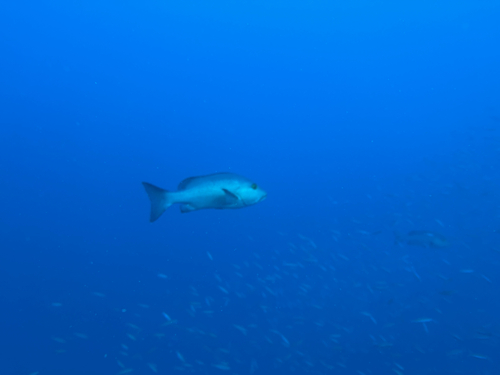
Community observations document at least 12 species in the bay. The Great Barrier Reef setting means you'll encounter typical reef fauna, though specific species vary by season and depth. Watch community videos for real dives and actual wildlife encounters.
›Are there any restrictions or permits needed?
Challenger Bay is within the Great Barrier Reef World Heritage Area, which means diving is regulated to protect the ecosystem. Local operators handle compliance. Confirm entry requirements and any permit needs with them before your visit.
›How is the coral health at Challenger Bay?
Recent monitoring shows no bleaching stress, indicating stable coral conditions. The site's inclusion in the World Heritage Area supports long-term reef protection and sustainable diving practices.