About this spot
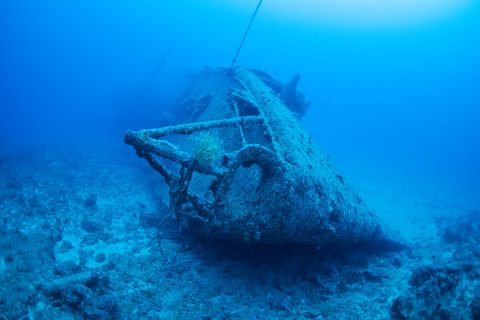
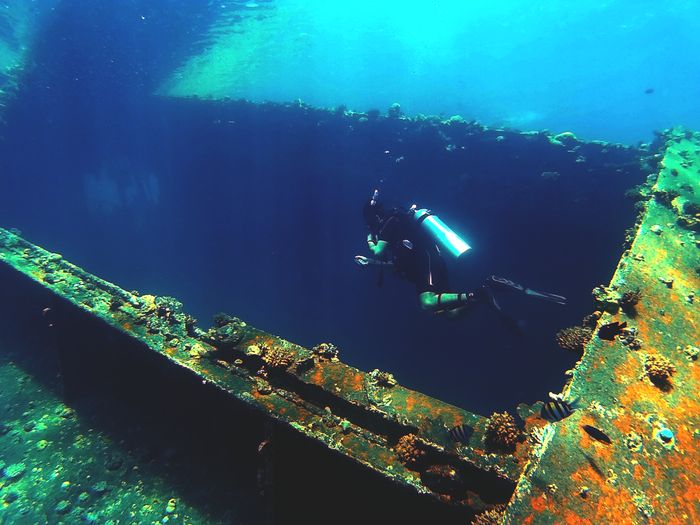
The Umbria is one of Sudan's most iconic wreck dives, a 140-meter Italian cargo ship that sank on Wingate Reef in 1940 during World War II. The wreck sits across a steep reef slope, with the shallowest sections around 5 meters and deeper sections reaching 36 meters, making it accessible to intermediate divers. The ship has broken into sections over decades, creating multiple entry and exit points and allowing divers to explore different parts of the structure depending on their bottom time and air consumption. Penetration diving is possible but requires experience; many divers enjoy the external structure and the abundant marine life that now calls the wreck home. The shallow portions are suitable for longer bottom time and easier navigation, while deeper sections demand solid buoyancy control and wreck awareness. The surrounding reef system adds extra appeal, with healthy corals and active fish life in the shallower zones.
Dive types
Trip essentials
Everything you need before you pack — checklist, sun, logistics.
Trip checklist
- 🛂 Visa-free or visa-on-arrival
- 📜 C-card + dive insurance (DAN)
- 📔 Dive logbook
- 🧴 Reef-safe sunscreen SPF 50+
- 💊 Seasickness meds + ear drops
- 📱 Offline maps + emergency contact
Quick facts
- 🌓 Moon First quarter · 47%
- GPS
› Sustainability disclosures
FAQ
›When is the best time to dive the Umbria?
The Umbria can be dived year-round, though calmer seas and more stable conditions typically occur during Sudan's drier months. Avoid peak summer heat if planning shore-based logistics. Current strength and visibility vary seasonally; consult local operators for the most favorable window in your travel dates.
›What is the depth and difficulty level?
The wreck spans 5–36 meters, making it suitable for intermediate divers. Shallow sections allow longer exploration, while deeper sections demand solid buoyancy control. Wreck penetration is possible but requires advanced training and should only be done with experienced guides familiar with the Umbria's layout.
›What marine life will I see?
Expect schools of jacks, trevally, and grouper around the wreck structure. Moray eels, lionfish, and spotted eagle rays are common. Macro life including nudibranchs and crustaceans inhabit sheltered sections. The ship has become a thriving artificial reef ecosystem over eight decades.
›How do I access the Umbria and do I need permits?
Access is by boat from Port Sudan. Most dives are booked through local operators or liveaboard charters. No special diving permits are required beyond standard Sudan entry requirements. The reef is exposed and can experience strong currents; always dive with an operator experienced on the site.