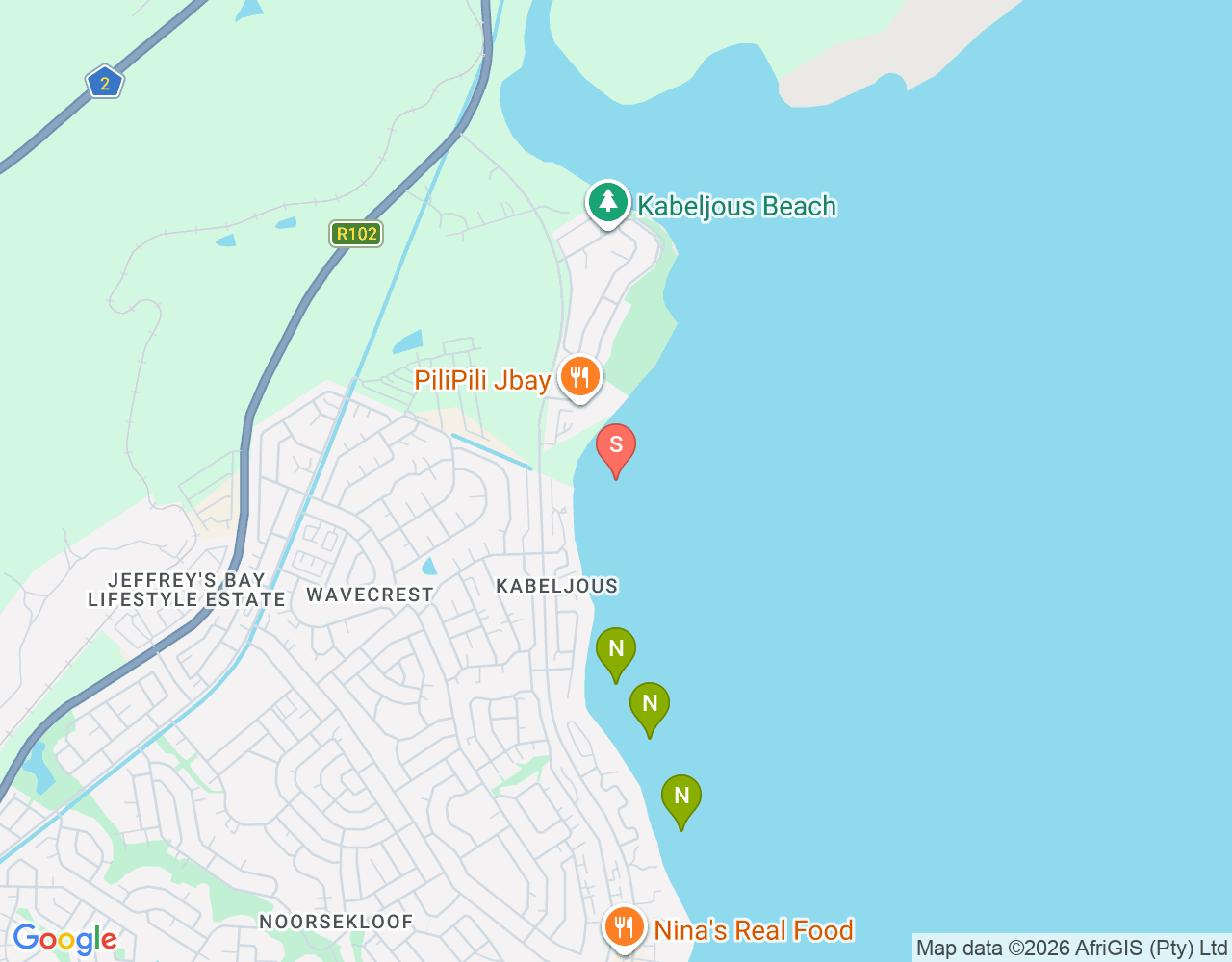
About this spot
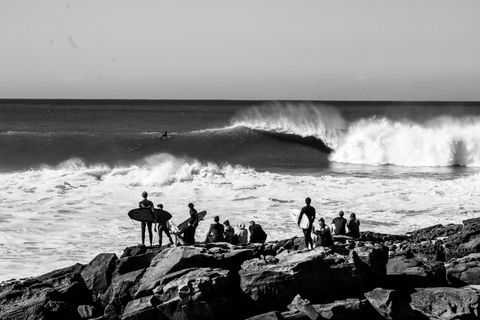
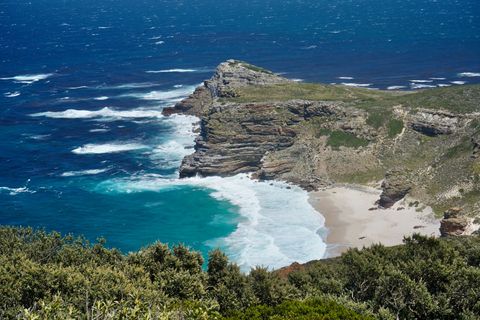
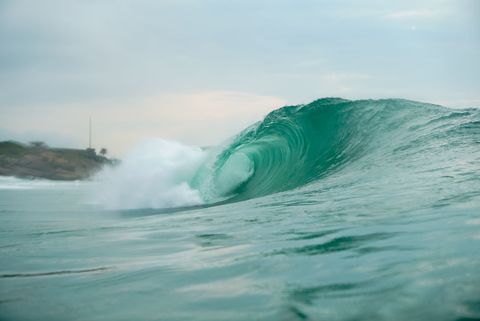
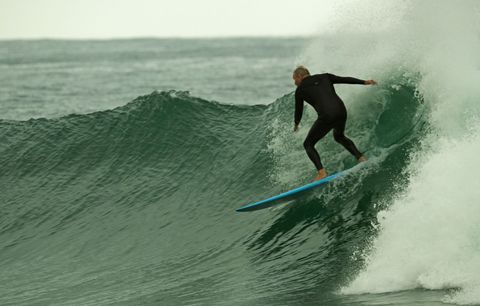
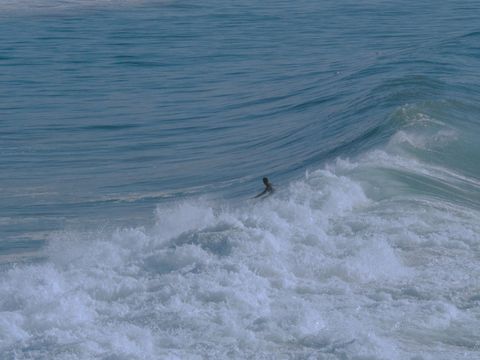
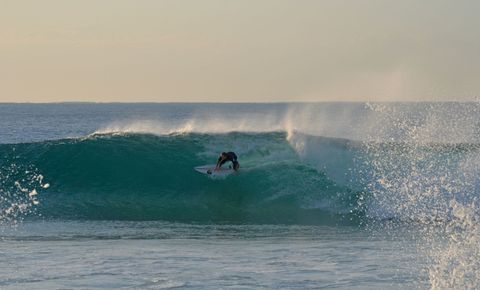
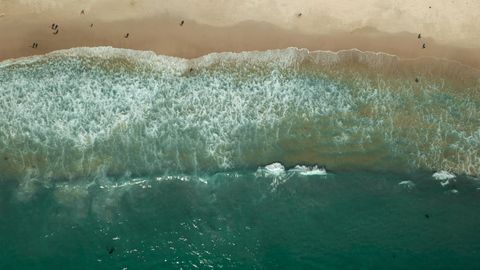
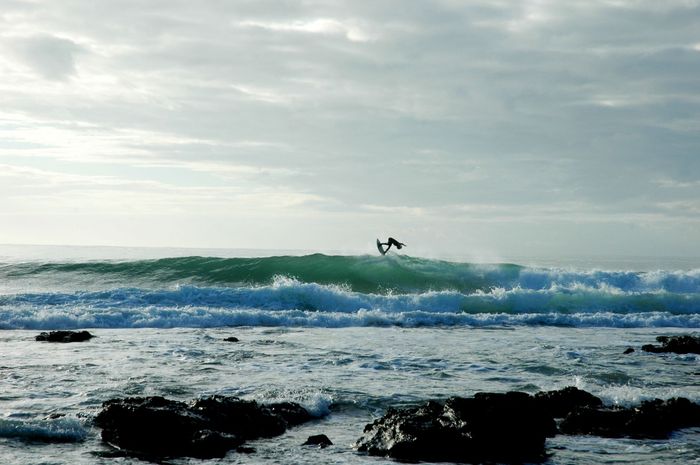
Albatross offers reliable surf conditions across all seasons, making it an accessible destination for surfers of varying skill levels. The break attracts a steady local crew and has built a small but engaged community. With twelve documented species observations in the area, the lineup sits within a rich marine environment typical of South Africa's coastline. The spot benefits from South Africa's consistent swell patterns and is unprotected, meaning you'll find waves most days of the year. Access is straightforward, and the break sits outside a marine protected area, keeping logistics simple for visiting surfers. Three community videos document conditions and sessions here, giving newcomers a solid preview before arrival. The area supports a genuine local scene—always a sign of quality, forgiving conditions. Whether you're chasing consistency or exploring lesser-known South African breaks, Albatross delivers without the crowds of major hotspots.
📖 Guide: 10 Best Diving Spots in South Africa
Marine life
Trip essentials
Everything you need before you pack — checklist, sun, logistics.
Trip checklist
- 🛂 Visa-free or visa-on-arrival
- 🏄 Surfboard or rental confirmation
- 🧴 Reef-safe sunscreen SPF 50+
- 🔌 Plug type M/N · 230V adapter
- 💊 Seasickness meds + ear drops
- 📱 Offline maps + emergency contact
Quick facts
- 🌓 Moon First quarter · 48%
- GPS
› Sustainability disclosures
From your departure country
- Visa: Visa-free · 90 days max
- Flight: 13h · direct
- Jet-lag: 7h east · 5 days recovery
FAQ
›When is the best time to surf Albatross?
Albatross works year-round, so timing is flexible. South Africa's swell patterns stay active across all seasons, making it an excellent choice if your travel dates are fixed. Local conditions shift with winter swells and summer wind patterns, but you'll find rideable waves regardless of when you visit.
›What's the difficulty level at Albatross?
Difficulty ratings for Albatross are not formally documented. Check community videos and speak with local surfers upon arrival to gauge current conditions. South African breaks vary from mellow beach breaks to hollow reef tubes, so confirm what you're getting before paddling out.
›What marine life will I see?
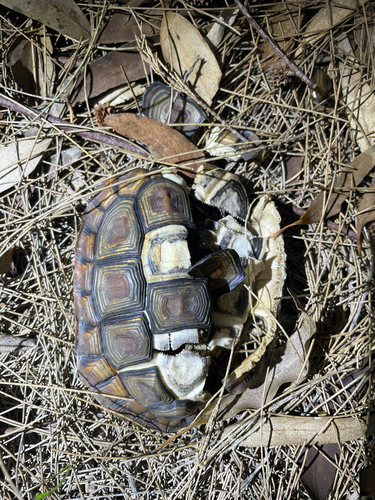
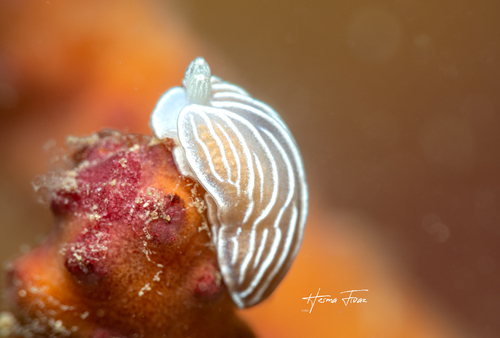
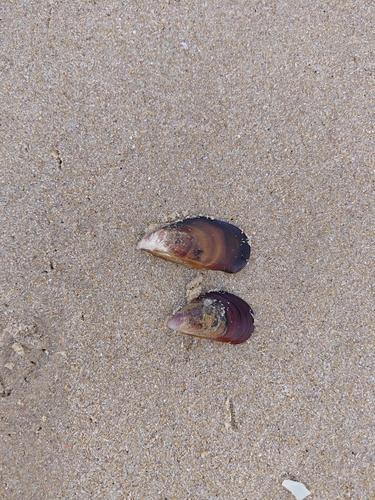
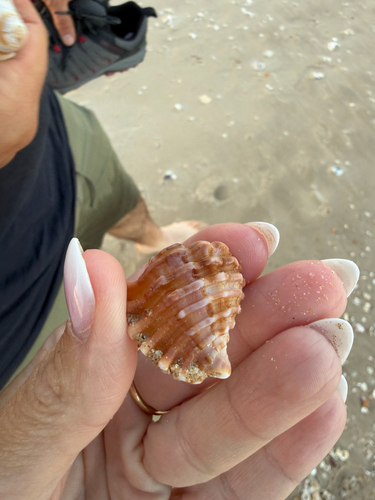
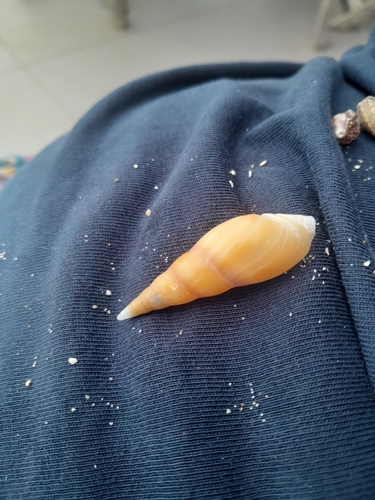
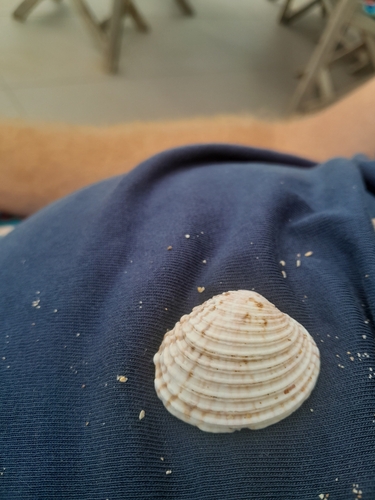
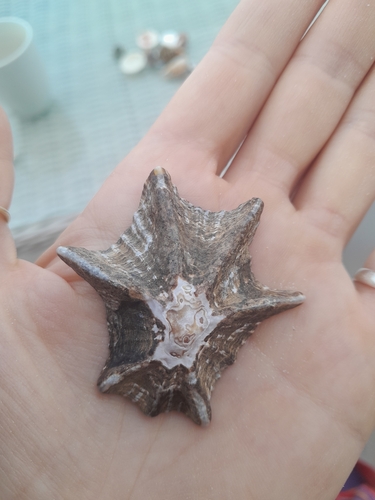
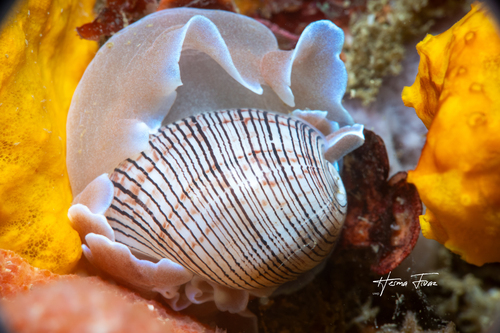
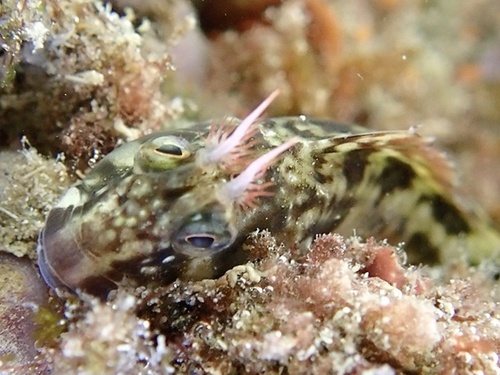
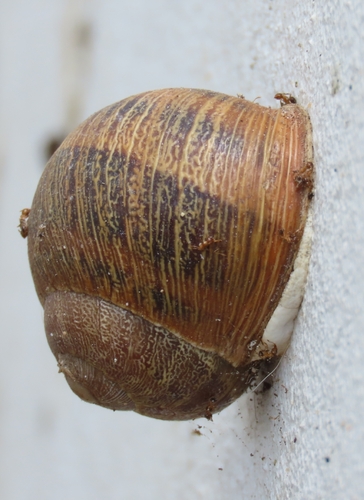
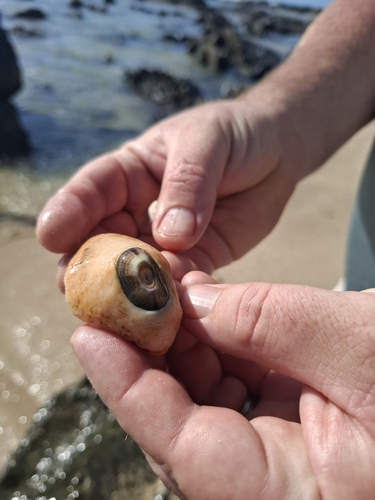
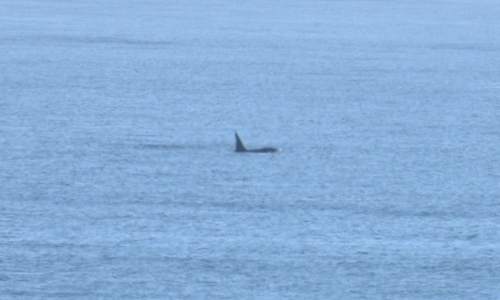
Twelve species observations have been documented in the Albatross area, indicating a healthy marine ecosystem. South African coastal waters typically host seals, dolphins, rays, and various fish species. Always stay alert for larger animals and respect the local marine environment.
›Do I need permits to surf Albatross?
Albatross sits outside a marine protected area, so standard access rules apply. No special permits are required to enter the water. Check with local authorities or nearby accommodations for any recent changes to access or beach conditions before you go.