About this spot
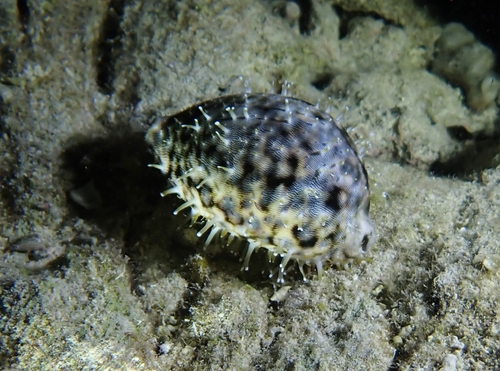
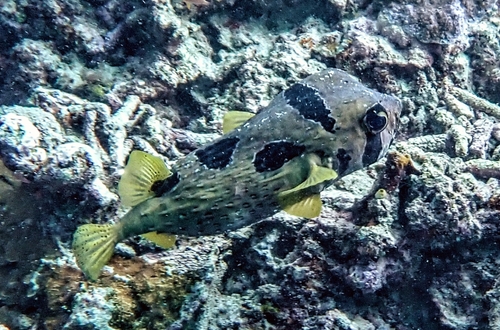
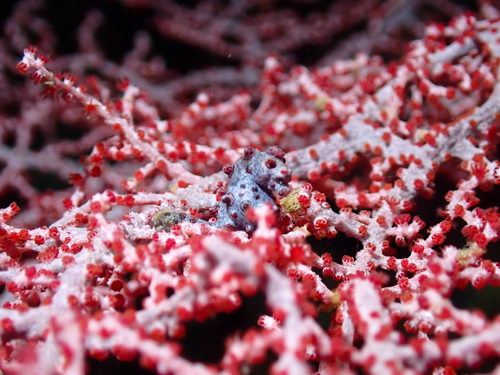
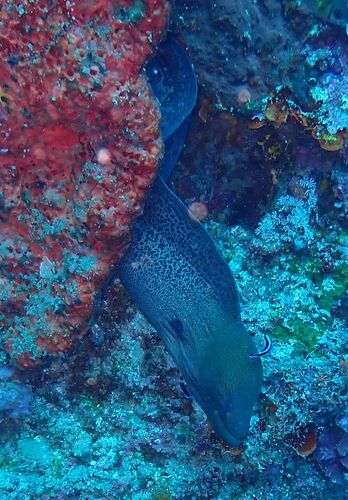
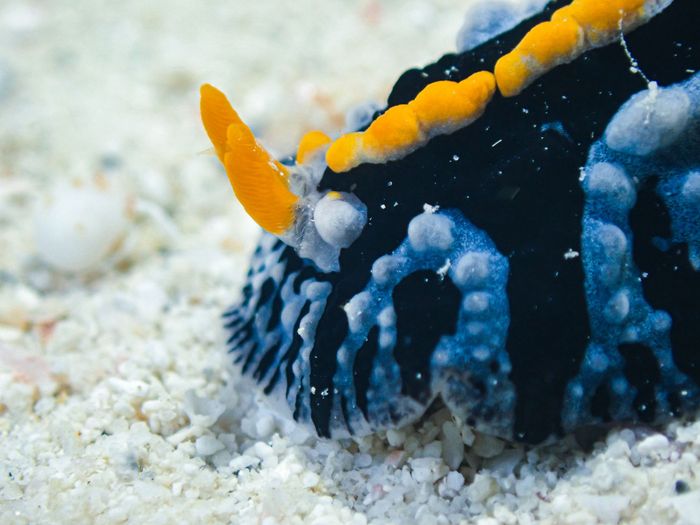
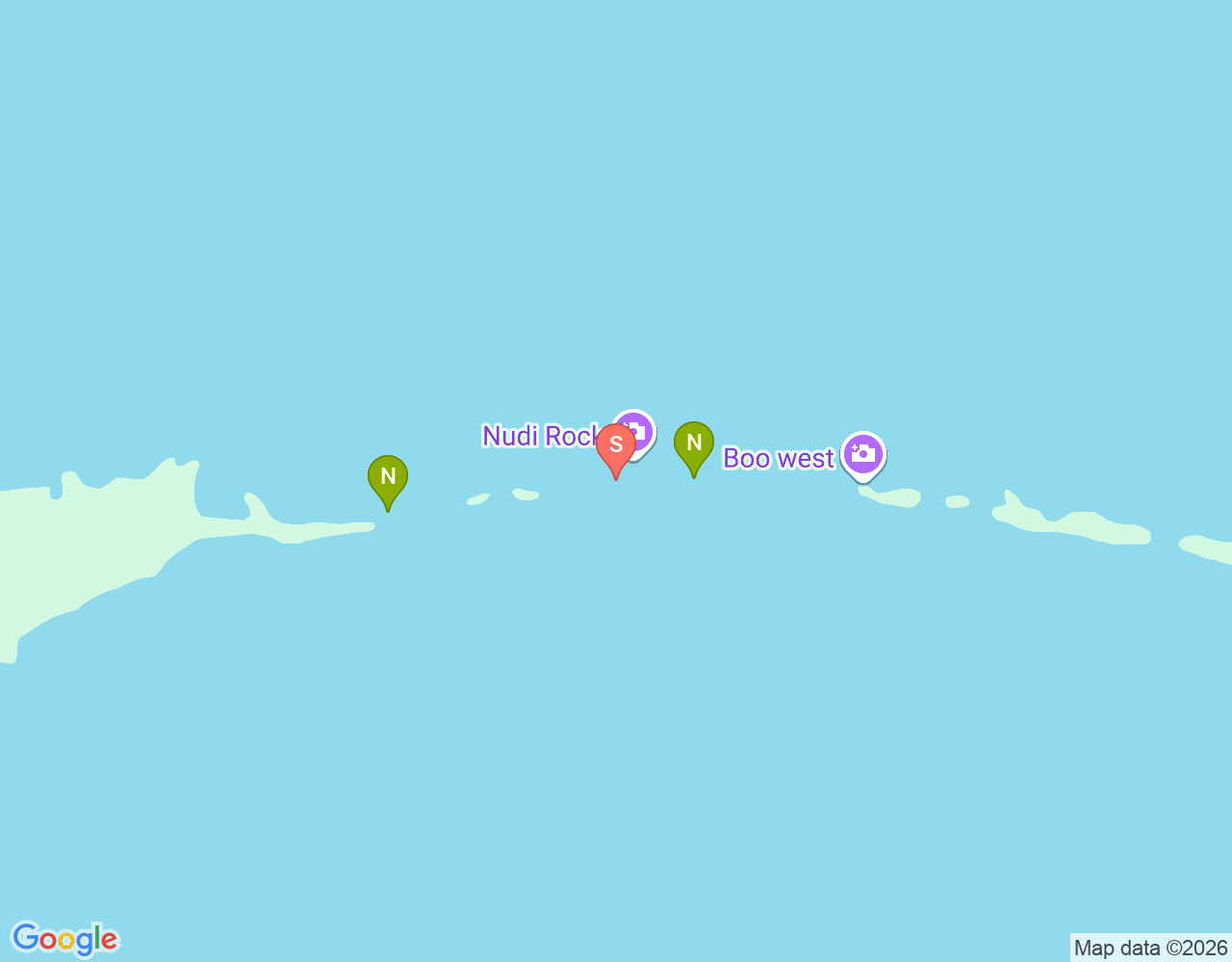
Nudi Rock sits in Raja Ampat's remote waters, one of the world's richest marine zones. The site gets its name from the abundance of nudibranchs—colorful sea slugs—that thrive on its rocky formations. Divers explore a structure loaded with macro life, making it ideal for photographers hunting small subjects. The site remains accessible throughout the year, though sea conditions vary seasonally. Raja Ampat's reputation for biodiversity is well-earned. Nudi Rock taps into that ecosystem, offering encounters with nudibranchs, small crustaceans, and reef fish. The rocky terrain creates crevices and overhangs where creatures hide and feed. Current patterns bring nutrients that support both coral and the animals that depend on it. Coral health at this site warrants attention. Like many Indo-Pacific reefs, Nudi Rock sits in a zone flagged for potential bleaching stress. Monitor local reports before booking. The site is not within a marine protected area, but local knowledge and responsible diving practices matter. Access typically requires a boat from nearby villages or resort bases in Raja Ampat proper.
📖 Guide: Diving in Indonesia: 323 Sites, Mantas to Micro-critters
Dive types
Trip essentials
Everything you need before you pack — checklist, sun, logistics.
Trip checklist
- 🛂 Visa-free or visa-on-arrival
- 📜 C-card + dive insurance (DAN)
- 📔 Dive logbook
- 🧴 Reef-safe sunscreen SPF 50+
- 🔌 Plug type C/F · 230V adapter
- 💊 Seasickness meds + ear drops
- 📱 Offline maps + emergency contact
Quick facts
- 🌓 Moon First quarter · 47%
- GPS
› Sustainability disclosures
From your departure country
- Visa: Visa on arrival · 30 days max
- Flight: 12h · direct
- Jet-lag: 12h east · 8 days recovery
FAQ
›When is the best time to dive Nudi Rock?
Nudi Rock is accessible year-round. Conditions vary with seasons—calmer periods typically occur in late dry season (September–November) and early wet season (March–May). Check with local operators for current swell and current forecasts.
›What's the depth and difficulty level?
Specific depth and difficulty ratings are not documented for this site. Contact local dive operators in Raja Ampat for details on bottom depth, current strength, and experience recommendations before your visit.
›What marine life will I see?
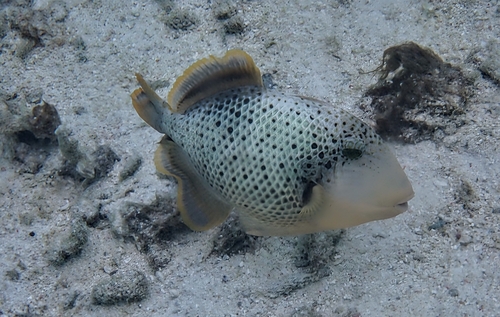
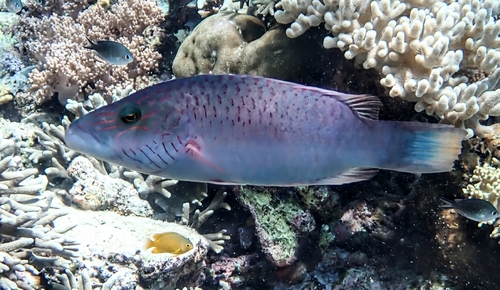
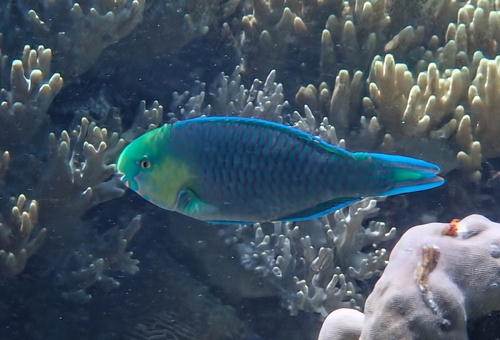
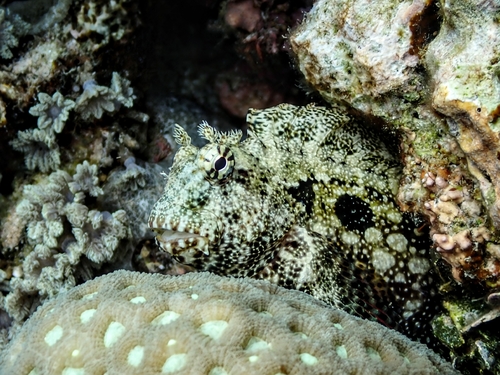
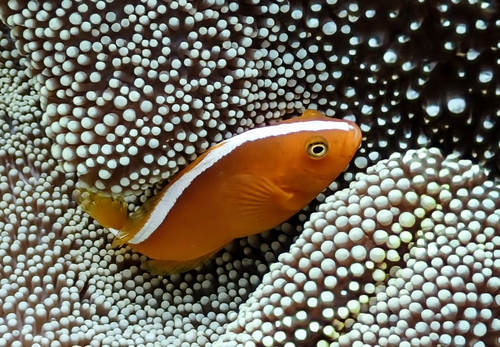
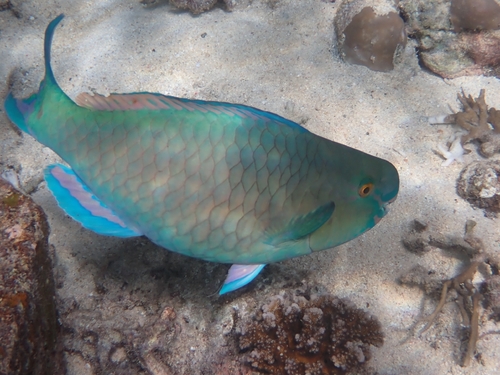
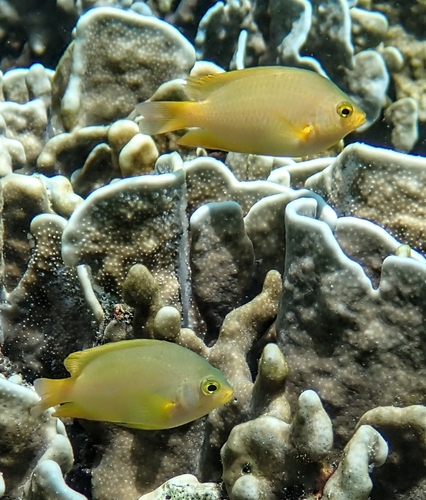
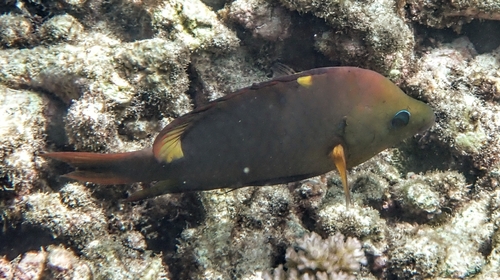
Nudi Rock is named for its nudibranch population. You'll also encounter reef fish, small crustaceans, and coral. The rocky habitat supports macro life—creatures best seen with close attention and macro lenses.
›How do I access Nudi Rock and do I need permits?
Access is by boat from Raja Ampat. No marine protected area permit is required at this site. Arrange dives through local operators based in the region. Standard Indonesian travel documents apply.