About this spot
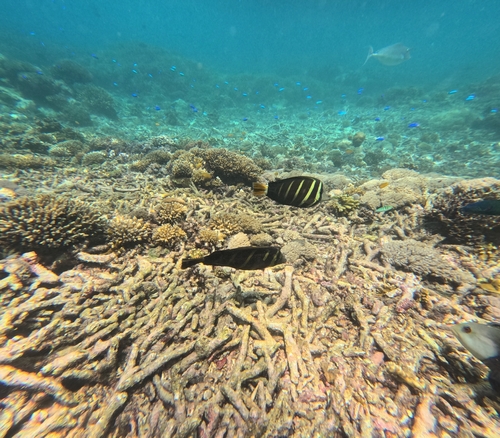
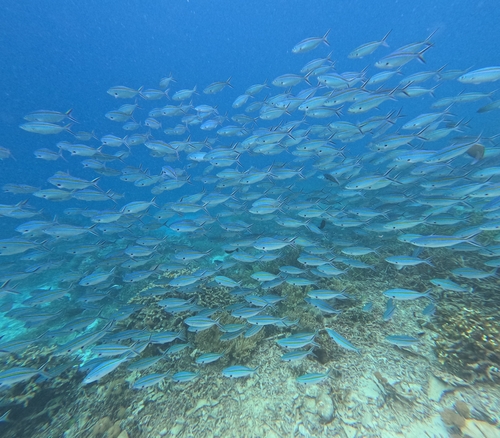
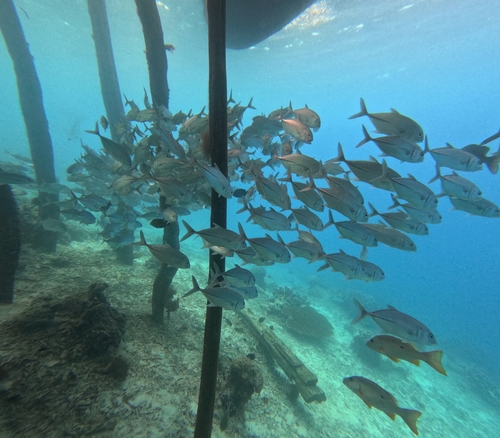
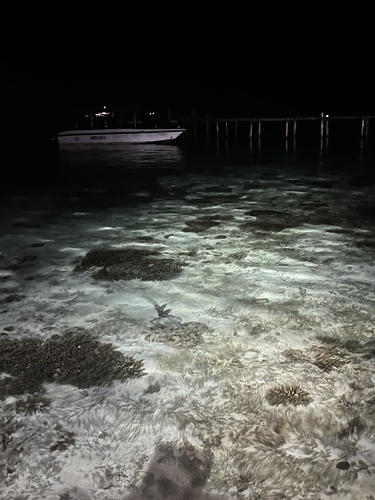
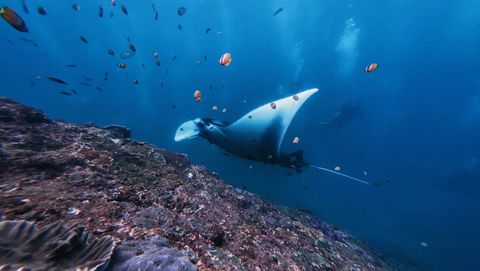
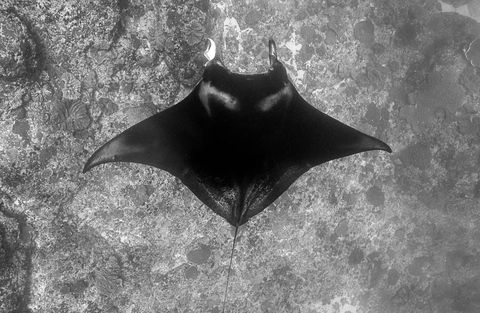
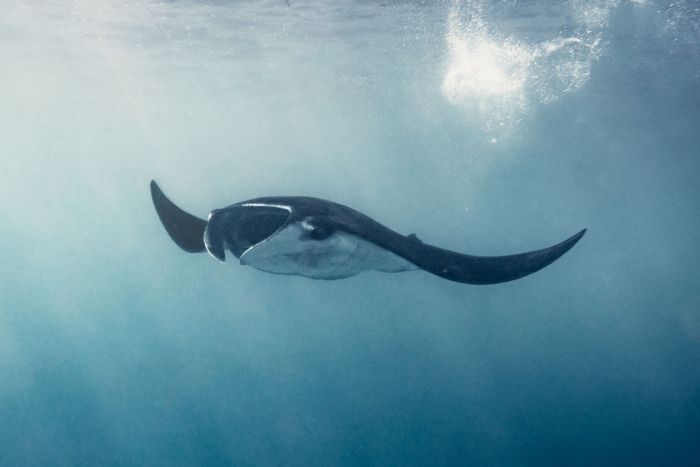
Manta Sandy delivers consistent manta ray action in Indonesia's productive waters. The site sits in an unprotected area, making it accessible for independent dive planning. With 12 documented species observations and growing community video content, the site has earned steady attention from divers seeking pelagic encounters. The dive profile remains variable—visibility, depth, and current strength shift seasonally and by tide. Manta rays are the primary draw here; they feed and cruise the sandy bottom and adjacent water column year-round. The site works best when local conditions align with manta movement patterns, which can be unpredictable. Access is straightforward since the site sits outside marine protected areas. Coral bleaching warrants monitoring; check current conditions before booking. The growing video library from the diving community offers real-world insight into what to expect on any given day. Plan dives with a local operator familiar with the seasonal rhythm and manta behavior patterns.
📖 Guide: Diving in Indonesia: 323 Sites, Mantas to Micro-critters
Best months
Marine life
Dive types
Trip essentials
Everything you need before you pack — checklist, sun, logistics.
Trip checklist
- 🛂 Visa-free or visa-on-arrival
- 📜 C-card + dive insurance (DAN)
- 📔 Dive logbook
- 🧴 Reef-safe sunscreen SPF 50+
- 🔌 Plug type C/F · 230V adapter
- 💊 Seasickness meds + ear drops
- 📱 Offline maps + emergency contact
Quick facts
- 🌓 Moon First quarter · 47%
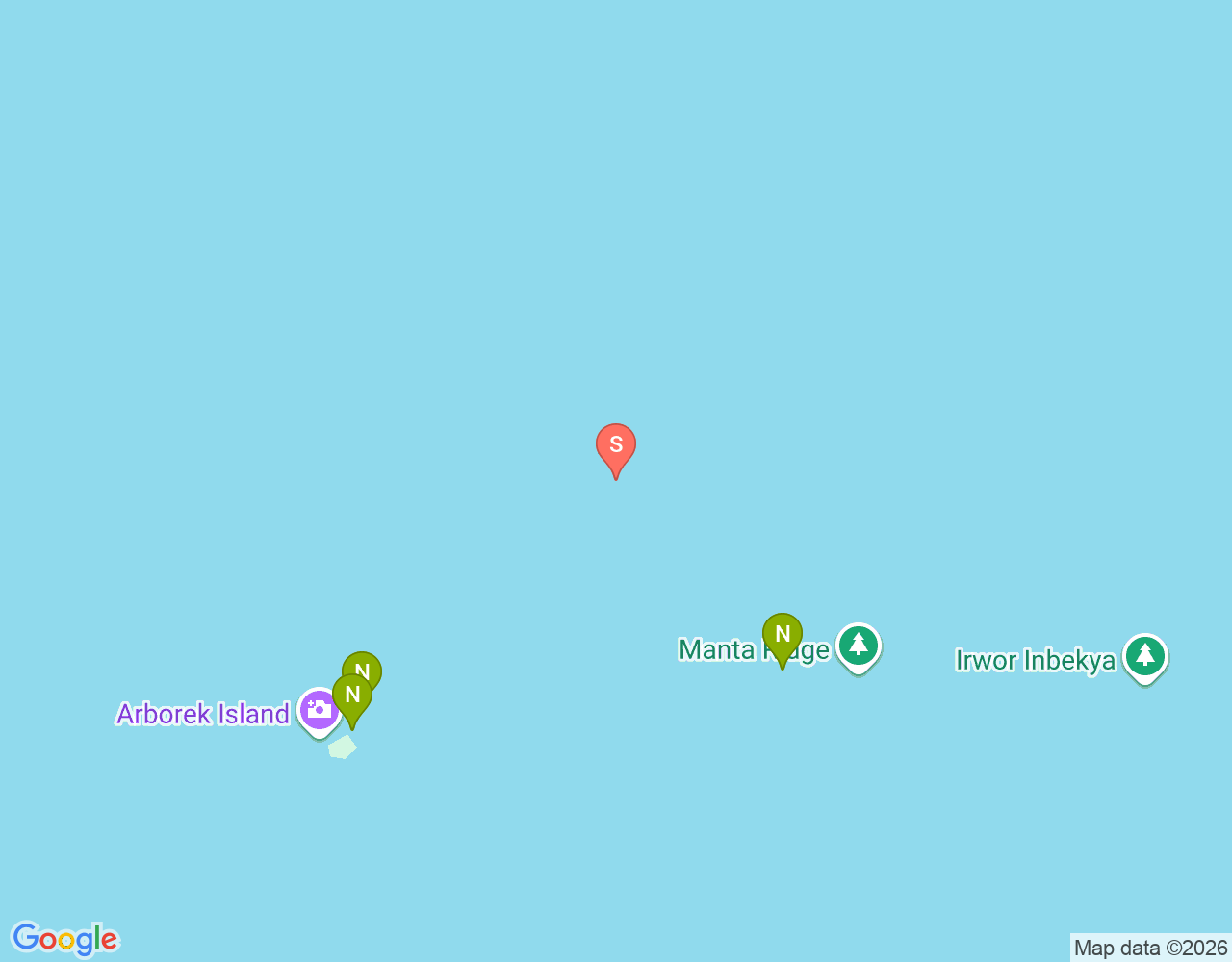
- GPS
› Sustainability disclosures
From your departure country
- Visa: Visa on arrival · 30 days max
- Flight: 12h · direct
- Jet-lag: 12h east · 8 days recovery
FAQ
›When is the best time to dive Manta Sandy?
The site is dived year-round, with manta rays present throughout the year. Seasonal conditions vary; consult local operators for current visibility, current, and manta activity patterns before you go.
›What depth and difficulty should I expect?
Depth and difficulty data are not formally documented for this site. Work with a local guide who knows the current conditions, as both can shift significantly with tide and season.
›What marine life is commonly seen at Manta Sandy?
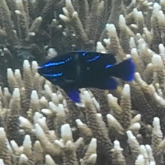
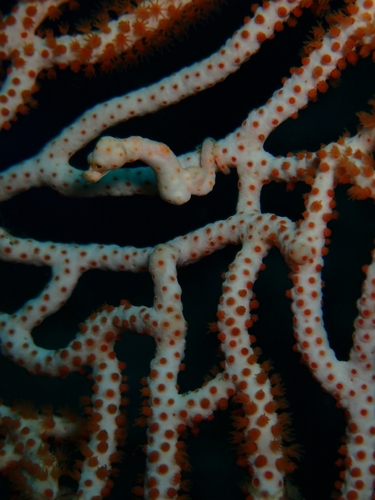
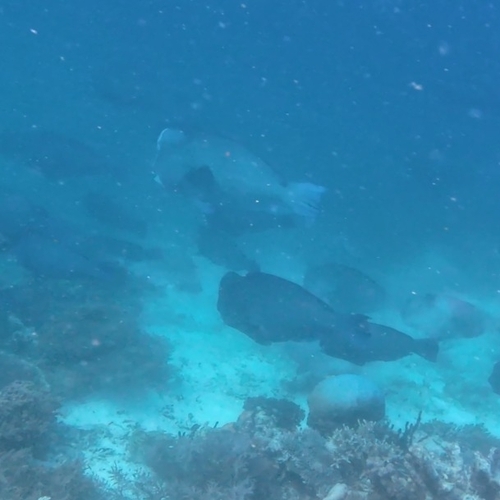
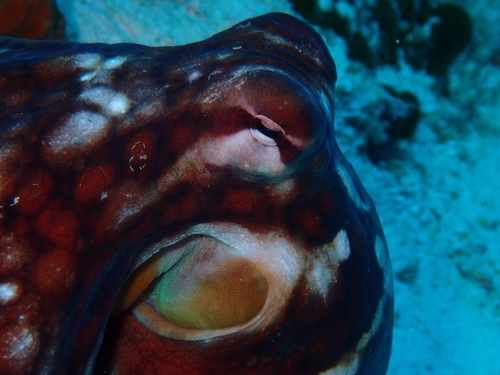
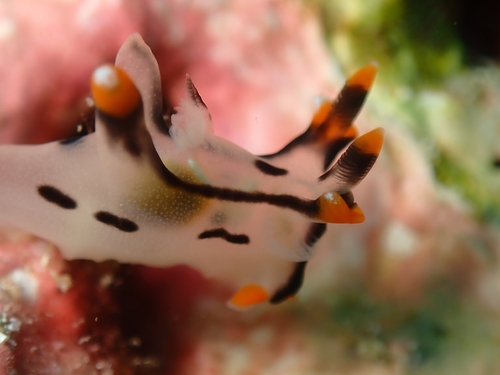
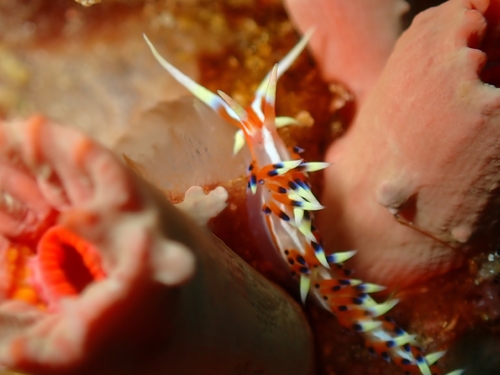
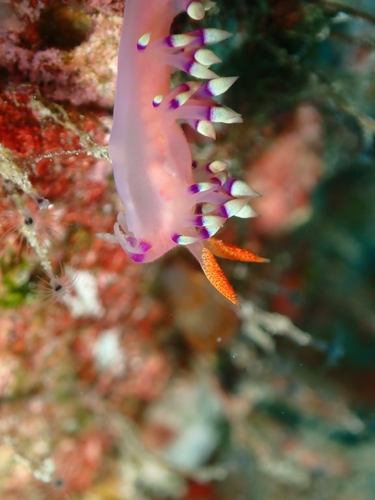
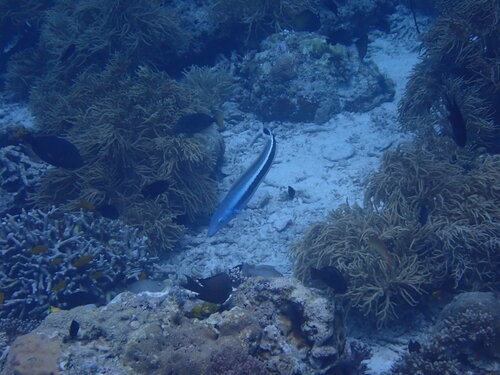
Manta rays are the headline attraction. The site has 12 documented species observations; check community video content to see recent sightings and understand the broader marine life present.
›Do I need permits or certifications to dive here?
Manta Sandy sits outside protected marine areas, so special permits are not required. Dive with a qualified local operator. Check coral bleaching status and current dive advisories before arrival.