About this spot
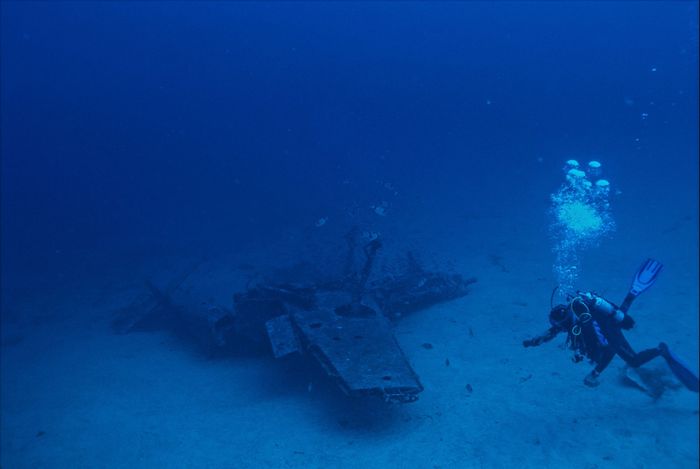
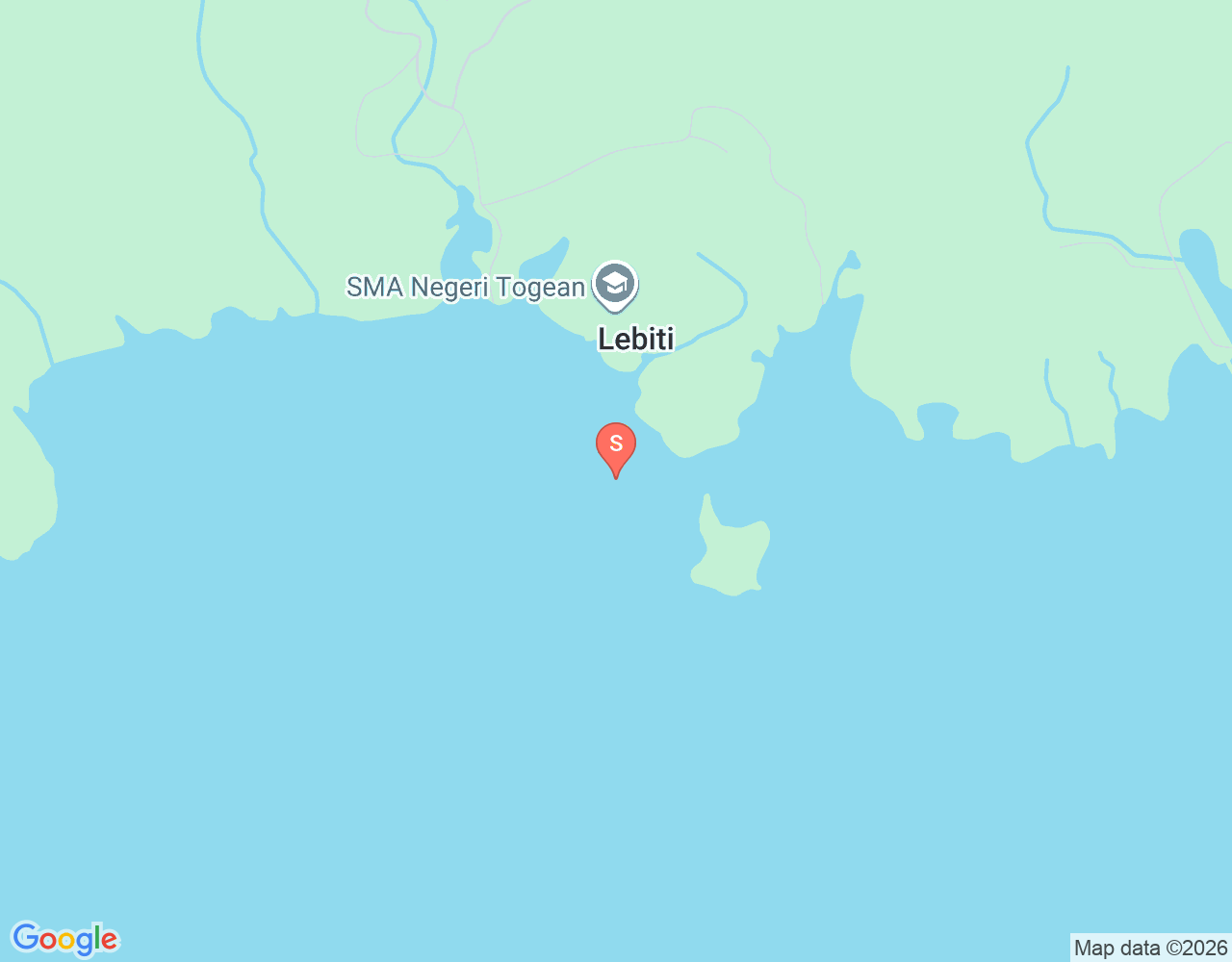
The B-24 Bomber Wreck sits submerged off Indonesia, offering divers a chance to explore a piece of World War II history. This sunken aircraft is home to schools of reef fish and has become an artificial reef structure over decades. The wreck attracts divers year-round, making it accessible to those wanting to combine history with underwater exploration. Marine life around the wreck includes six documented species that make the site their habitat. Fish congregate around the fuselage and wings, creating dynamic photo opportunities. Coral growth on the wreck adds color and complexity to the dive experience. The site sits outside a marine protected area, which means standard diving rules apply. Be aware that coral bleaching warnings are active in this region, so monitor conditions before booking. Community divers have recorded several videos of the wreck, offering insights into conditions and layout before you visit. This is an excellent choice for divers interested in military history and wreck exploration. Plan your trip to take advantage of year-round conditions, though checking local reports on bleaching status and visibility is wise.
📖 Guide: Diving in Indonesia: 323 Sites, Mantas to Micro-critters
Best months
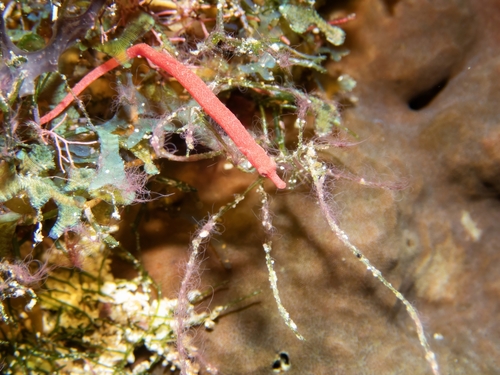
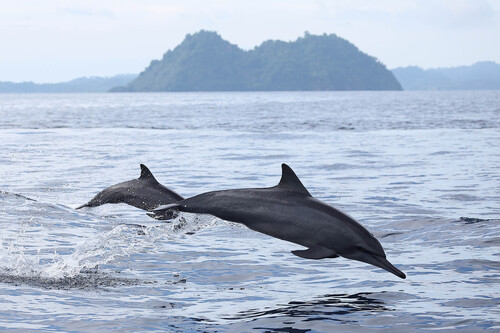
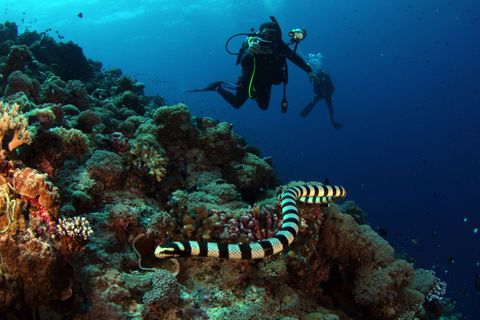
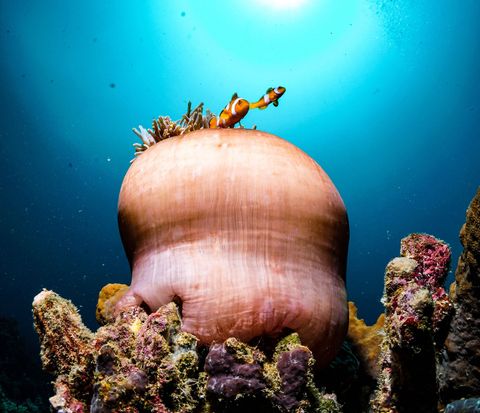
Marine life
Dive types
Trip essentials
Everything you need before you pack — checklist, sun, logistics.
Trip checklist
- 🛂 Visa-free or visa-on-arrival
- 📜 C-card + dive insurance (DAN)
- 📔 Dive logbook
- 🧴 Reef-safe sunscreen SPF 50+
- 🔌 Plug type C/F · 230V adapter
- 💊 Seasickness meds + ear drops
- 📱 Offline maps + emergency contact
Quick facts
- 🌓 Moon First quarter · 47%
- GPS
› Sustainability disclosures
From your departure country
- Visa: Visa on arrival · 30 days max
- Flight: 12h · direct
- Jet-lag: 12h east · 8 days recovery
FAQ
›Can I dive the B-24 Bomber Wreck year-round?
Yes, the wreck is diveable throughout the year. However, conditions may vary seasonally, so check local dive reports and monitor coral bleaching warnings before booking.
›What marine life will I see?
Six documented species inhabit the wreck, including reef fish that school around the fuselage and wings. Coral growth on the structure adds to the biodiversity.
›Is this site in a marine protected area?
No, the B-24 Bomber Wreck is not within a marine protected area, so standard diving regulations apply at this location.
›How can I prepare for this dive?
Watch the community videos available online to understand the wreck layout and conditions. Check current coral bleaching status and visibility reports. Ensure you're comfortable with wreck diving before attempting this site.