About this spot
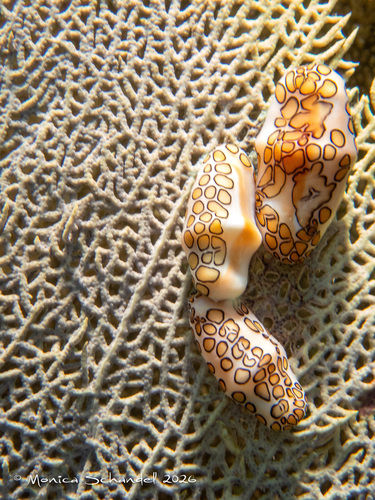
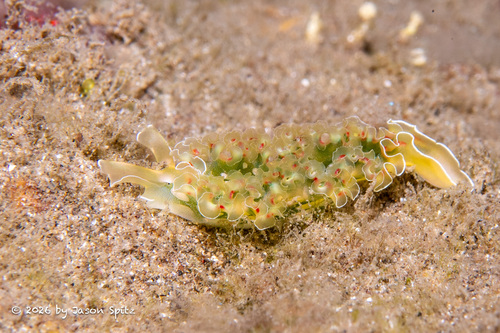
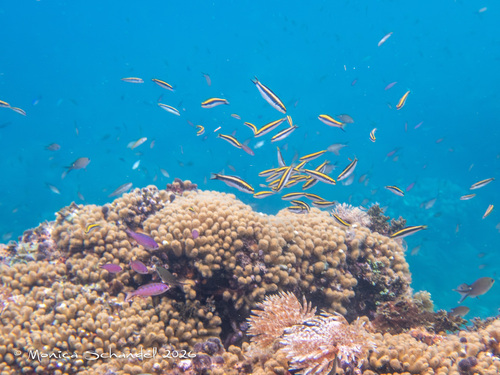
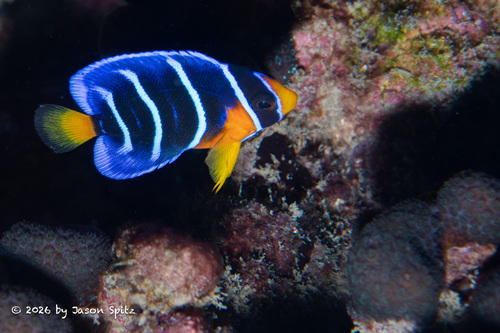
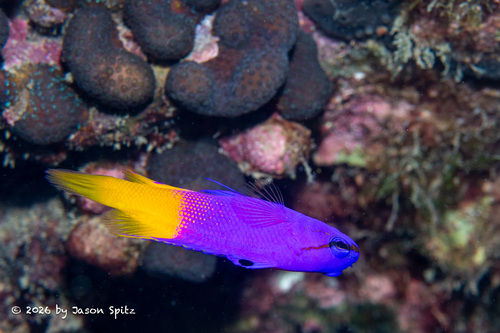
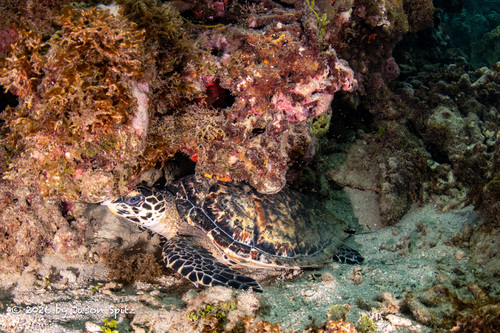
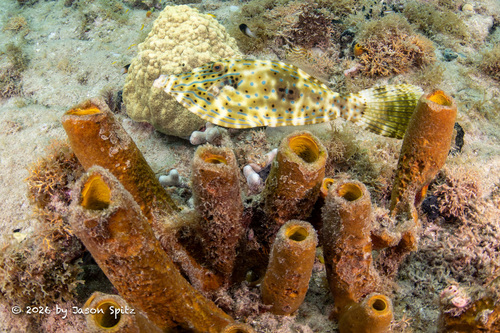
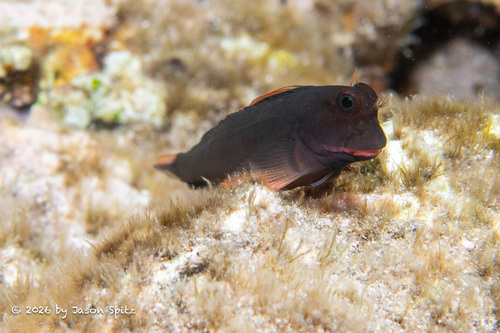
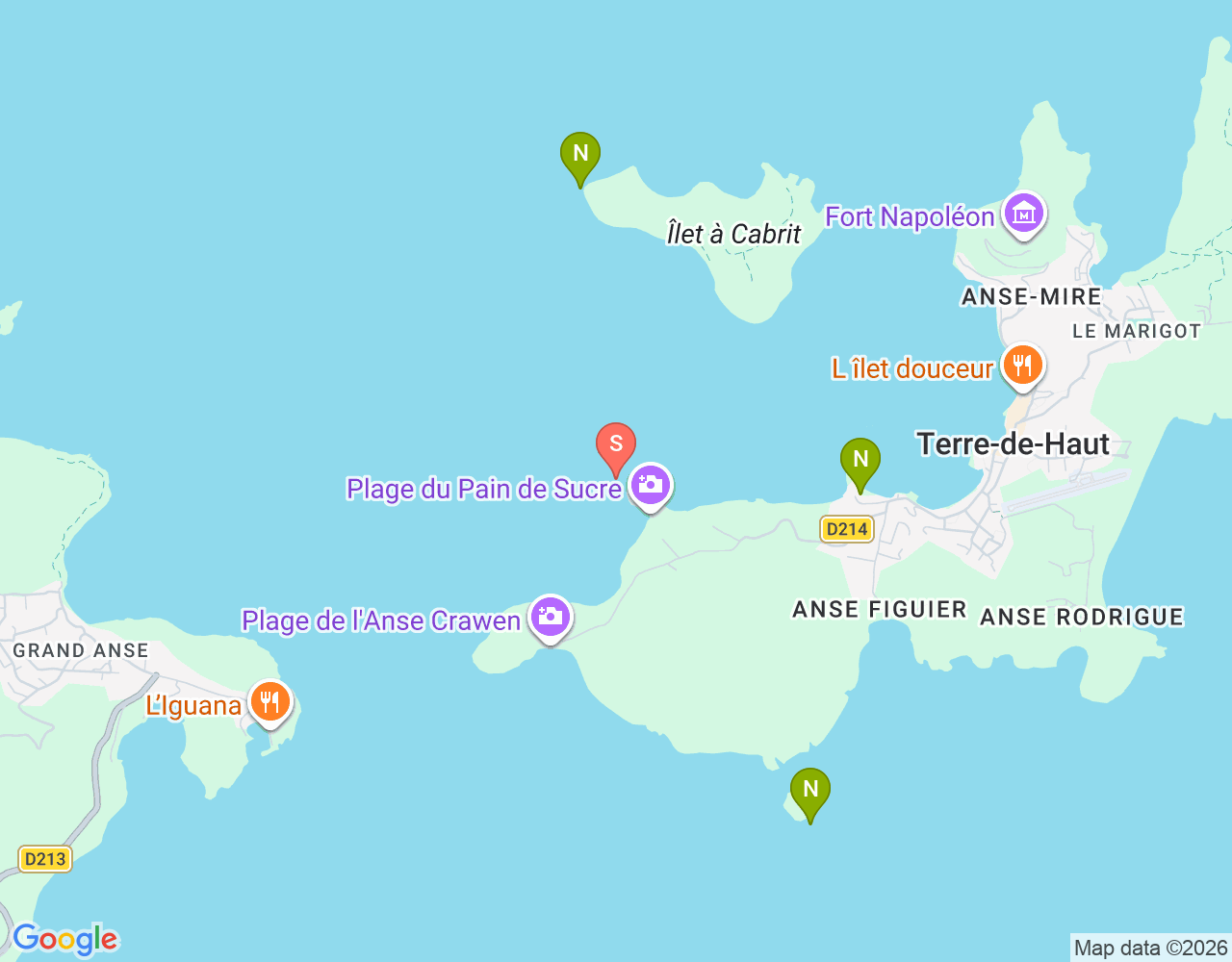
Pain de Sucre sits within the Sanctuaire Agoa, one of the Caribbean's most carefully managed marine reserves. The site delivers reliable diving conditions throughout the year, making it accessible whether you plan a winter escape or summer adventure. The protected status means the reef stays robust—coral shows no bleaching stress, and the ecosystem supports a stable population of reef fish and larger pelagics. The dive is sheltered by its MPA designation, which enforces strict mooring and anchoring rules to protect the seafloor. This hands-off approach keeps the marine habitat in good shape. Twelve documented species observations confirm a healthy cross-section of Caribbean reef life, from schooling jacks to groupers and angelfish. Visibility is generally good for the region, though seasonal swells from winter storm systems can occasionally lower it. Access is straightforward from Terre-de-Haut, the main hub for diving in the Saintes archipelago. Several local operators run regular boats to Pain de Sucre and nearby sites. The site suits intermediate divers comfortable with minor current and variable surge, depending on the season. Being inside a sanctuary means you must follow all local regulations—no collecting, no anchoring outside marked zones, and respect for the no-take policy. Community videos document the dive and give a real sense of conditions before you book. The combination of protection, year-round access, and consistent marine life makes Pain de Sucre a reliable choice for explorers wanting to see living Caribbean reef.
📖 Guide: Diving in France: 220 Sites From Alpine Lakes to Tropical Reefs
Best months
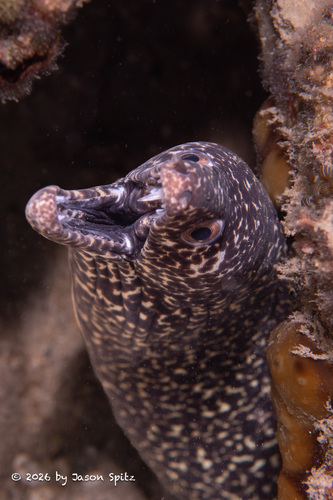
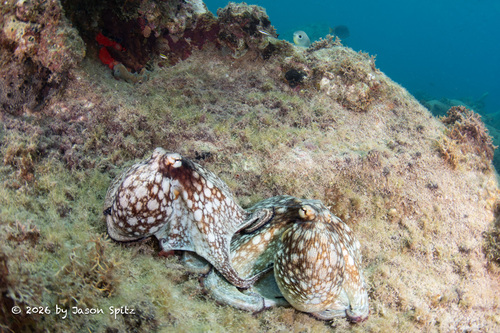
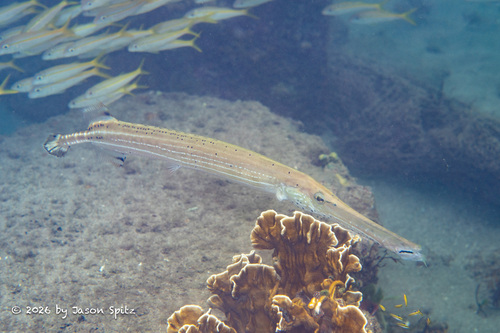
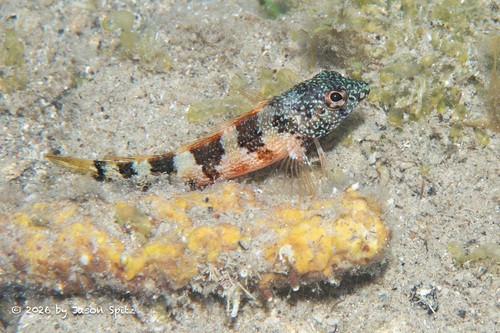
Marine life
Dive types
Trip essentials
Everything you need before you pack — checklist, sun, logistics.
Trip checklist
- 🛂 Visa-free or visa-on-arrival
- 📜 C-card + dive insurance (DAN)
- 📔 Dive logbook
- 🧴 Reef-safe sunscreen SPF 50+
- 🔌 Plug type C/E/F · 230V adapter
- 💊 Seasickness meds + ear drops
- 📱 Offline maps + emergency contact
Quick facts
- 🌓 Moon First quarter · 47%
- GPS
› Sustainability disclosures
FAQ
›When is the best time to dive Pain de Sucre?
Pain de Sucre is diveable year-round. Winter (December–April) offers calmer seas and slightly better visibility, though it can bring stronger currents. Summer (May–November) has warmer water and fewer divers, but occasional tropical swells may reduce visibility. Both seasons work well; choose based on your preference for calm water or warm temperatures.
›What is the depth and difficulty level?
Exact depths are site-specific and vary across Pain de Sucre's reef structure. The dive suits intermediate divers comfortable with minor current and some surge. Beginners should dive with an experienced guide. Consult local operators for depth details and current predictions on your planned date.
›What marine life will I see?
Pain de Sucre hosts a healthy mix of Caribbean reef species. Twelve documented observations include schooling jacks, groupers, angelfish, and other reef fish typical of Guadeloupe. The site's protection inside Sanctuaire Agoa means abundant small life and a stable ecosystem. Larger pelagics like rays and sharks are possible but not guaranteed on every dive.
›How do I access Pain de Sucre and what permits are needed?
Pain de Sucre is accessed by boat from Terre-de-Haut, the main dive hub in the Saintes. Local operators run daily trips. The site is inside Sanctuaire Agoa, a marine protected area with strict rules: no collecting, no anchoring outside marked zones, and respect for no-take policies. Your operator handles compliance; just follow their briefing.