
It's a Tuesday in February. You finish work at 18:00 in Lisbon, fly TAP TP1531 at 21:35, and the next morning at 00:10 local time you're on Sal island in Cape Verde with 27°C water waiting. Total air time: 4 hours 35 minutes. Average commute from Cascais to Sal is now shorter than my friend's commute from Lisbon to her in-laws in Porto.
This is the case I want to make. Most divers based in Portugal — and most travel agents serving them — default to one of three winter mental models: "fly to the Mediterranean in summer" (good, but six months wrong), "wait for the Red Sea liveaboard you booked in November" (fine, expensive), or "save up for the Maldives next year" (12-hour flight, often via Dubai, $1,500+ round-trip from LIS). All three skip the actual answer to "where should I dive next month, on a normal salary, leaving from Lisbon."
To answer it properly I cross-referenced two datasets we've assembled at OpenWaterAtlas: OpenFlights' 34,876-route global airline graph[1] and our 2,928 published dive sites with monthly climate aggregates derived from NOAA Coral Reef Watch and Open-Meteo[2]. The query was: of all dive sites within 200 km of any airport reachable on a direct flight from Lisbon, which have water temperature ≥ 21°C right now? The answer is six destinations, ordered by water temperature in the middle of European winter. None of them require a layover.
🦈 1. Sal and Boa Vista, Cape Verde — 22–27°C, 4.5 hours
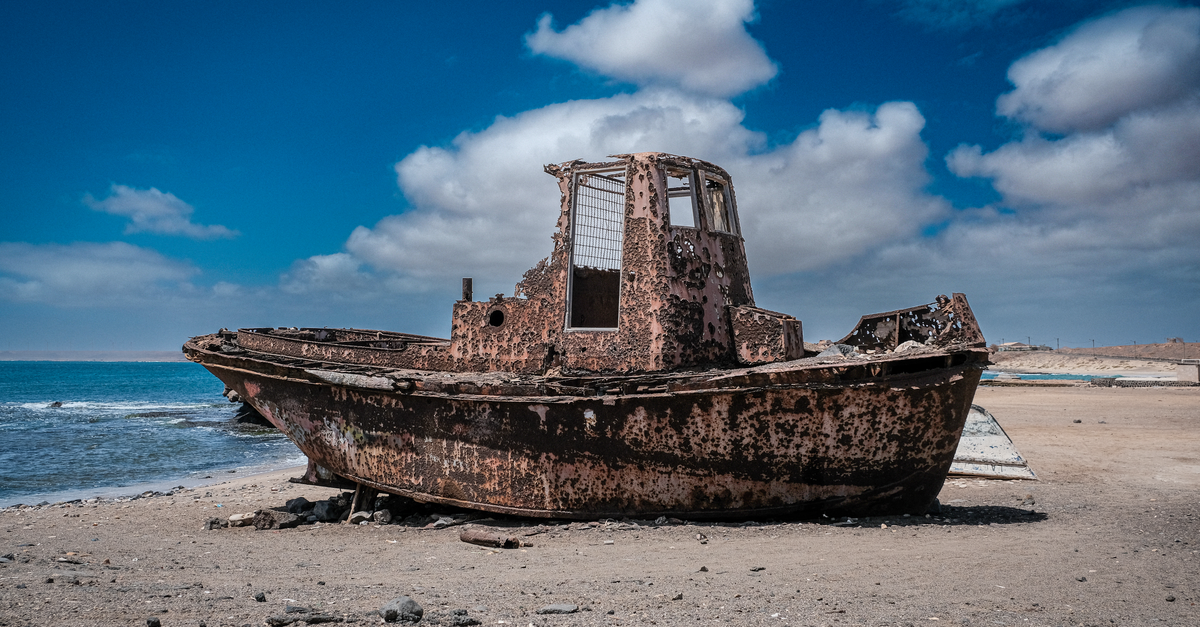
Cape Verde sits 2,789 km southwest of Lisbon — closer than Athens. TAP, Transavia and TUI fly direct to Sal (SID), Boa Vista (BVC) and Sao Vicente (VXE) year-round.
- Water temp: 22°C in March → 27°C in October-November[3]
- Flight from LIS: 4.5 hours, direct, multiple carriers
- Visibility: 25 m on Sal's south coast; 15-20 m on Boa Vista east during Harmattan (Dec-Mar)
- Best months: October-March for tiger sharks; year-round for general reef diving
The headline dive is Santa Maria — Tiger Shark Point, a sandy plateau off Sal's south coast that has become the country's signature shark dive. Tiger sharks aggregate from October through March; lemon sharks year-round. It's an advanced dive — currents and 18-25 m depth — but logged dive reports going back six years show consistent encounters. Two other sites worth the flight: Buracona — Blue Eye on Sal (collapsed lava tube, electric-blue light shaft at midday, intermediate, 21-26°C water[4]) and Tarrafal Drop-off Wall on Santo Antão (West Africa's deepest accessible wall, occasional hammerheads, advanced).
Honest caveat: dive operator coverage on Sal is concentrated around Santa Maria; on Boa Vista there are operators near Sal Rei but the eastern reefs are under-served. If you arrive without a pre-booked operator, you'll burn a day. Book before flying.
🌋 2. Tenerife and Gran Canaria, Canary Islands — 18–24°C, 3 hours
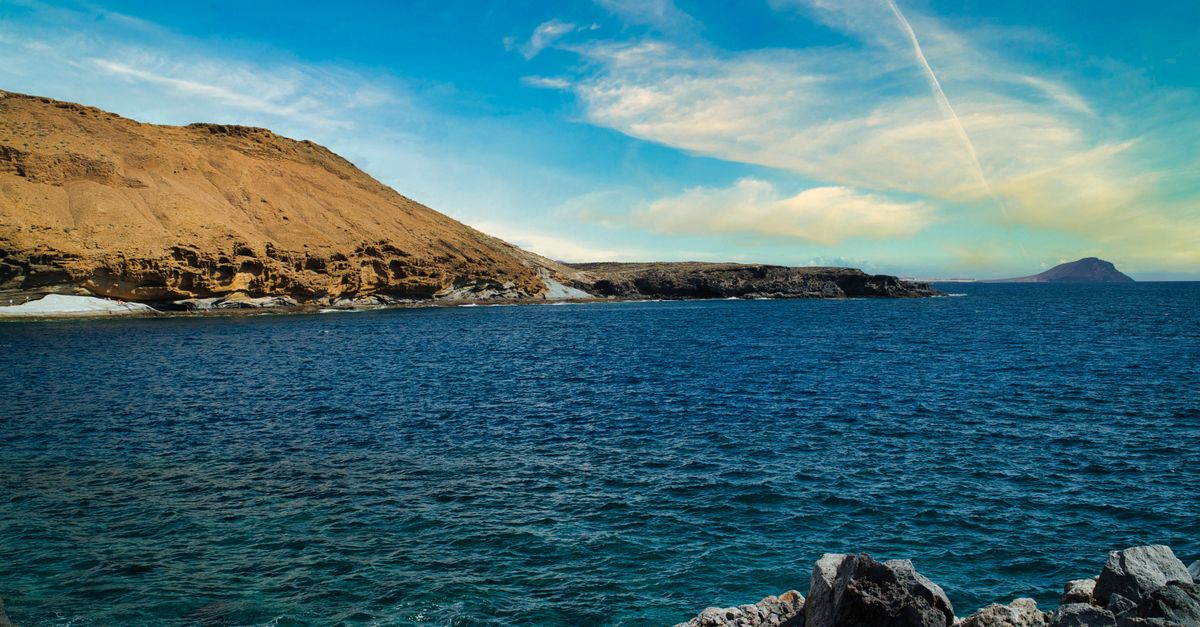
Las Palmas (LPA) and Tenerife are 3 hours direct from Lisbon. Water temperature on Gran Canaria's south coast holds 18°C in February and climbs to 24°C in September[5]. This is volcanic-island diving — black sand, dropoffs, occasional pelagics — and crucially, the wind on the southwest coasts of both islands is sheltered, so dive days don't get cancelled the way they do on the Algarve in winter.
- Water temp: 18°C in February → 24°C in September
- Flight from LIS: 3 hours, direct (TAP, Ryanair, easyJet, Binter)
- Wind shelter: southwest coast of both islands sheltered year-round
- In our database: 12 documented dive sites within 200 km of LPA airport
The undersold story here isn't the well-known El Cabrón marine reserve. It's that El Hierro — La Restinga — the small island west of Tenerife — has water that holds 22°C in summer and 14°C in February. La Restinga itself is a Marine Reserve of Special Scientific Interest; the underwater volcanic geology dates from a 2011 eruption that's still actively reshaping the seabed. You need a connection from Tenerife to El Hierro (45 min, twice daily), but the day-to-week ratio of effort-to-payoff is one of the highest in European diving.
🐟 3. Costa del Sol and Costa Brava, Spain — 14–25°C seasonal, 1.5–2 hours
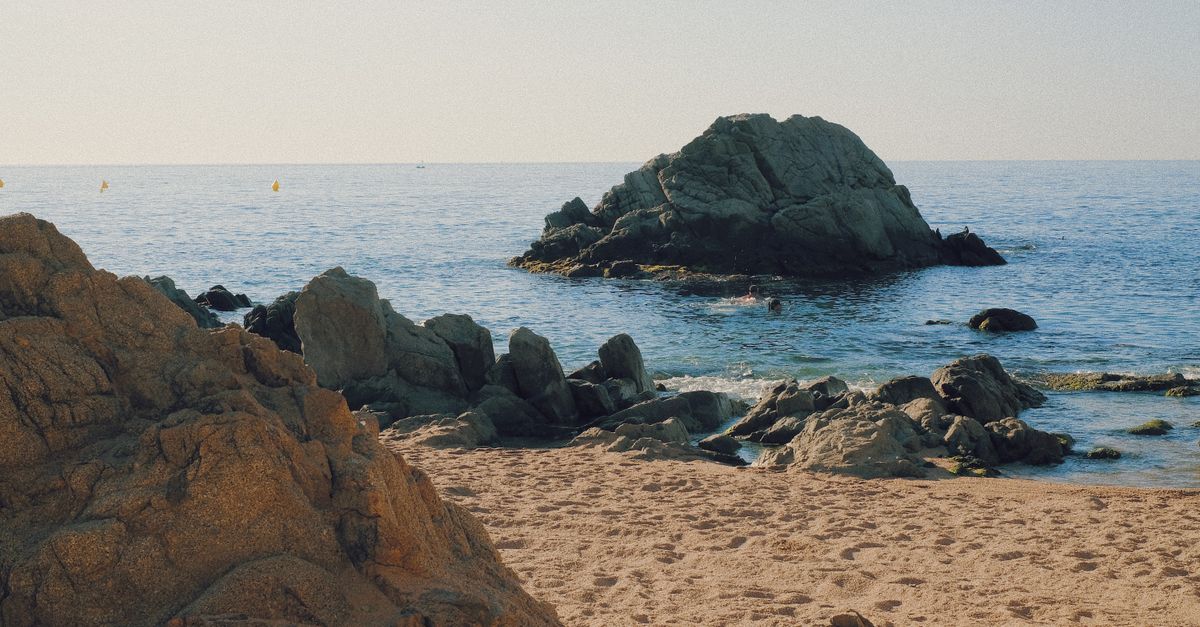
This is the shoulder-season choice, and the answer depends entirely on when you fly. Málaga (AGP) is 1.5 hours from LIS; Barcelona (BCN) is 2 hours. The Mediterranean from Catalonia to Andalusia warms slowly — water is 14-15°C in February-March, hits 22°C by July, peaks at 25-26°C in August-September[6].
- Water temp: 14°C in Feb → 26°C in Aug
- Flight from LIS: 1.5 hours (AGP), 2 hours (BCN)
- Best months: May-October (winter is technically divable but cold)
- Standout site: Reserva Natural de les Medes (no-take MPA, ~1h north of BCN)
Year-round diving is possible everywhere, but if you're chasing warm-water comfort, the Med is a May-to-October play, not a winter trip. What makes the Costa Brava worth a separate mention: it contains the Reserva Natural Parcial de la Marina de les Medes, one of the most established no-take MPAs in Spain. Sites inside the reserve — Carall Bernat, Les Salines — have demonstrably higher fish biomass than the Catalan coast outside the boundary. The mistake most casual divers make is treating "Costa Brava" as one place; the Medes are an hour north of Barcelona airport, and 80% of the area's serious diving happens there.
🇲🇦 4. Casablanca and Tangier, Morocco — 18–24°C, 1.5–3 hours

Royal Air Maroc, TAP and Ryanair fly direct from LIS to Casablanca (CMN), Tangier (TNG) and Marrakech (RAK). Morocco's Atlantic coast is cold-current diving — Canary Current keeps the water 18-19°C even in summer — but the Mediterranean coast east of Tangier holds 24°C in summer, dropping to 17°C in February.
- Water temp (Atlantic): 18-19°C year-round
- Water temp (Med, east of Tangier): 17°C in Feb → 24°C in summer
- Flight from LIS: 1.5-3 hours, direct
- Scuba infrastructure: thinner than the surf/kite scene — best as a combined trip
A Moroccan friend who runs trips both ways says scuba is "perhaps fifteen years behind" the local kite scene. For divers, Morocco works best as part of a combined kite-and-dive trip if you go in shoulder season, or as a cold-water Atlantic experience for surfers transitioning to scuba.
🐚 5. Sardinia and Sicily, Italy — 14–26°C seasonal, 3 hours
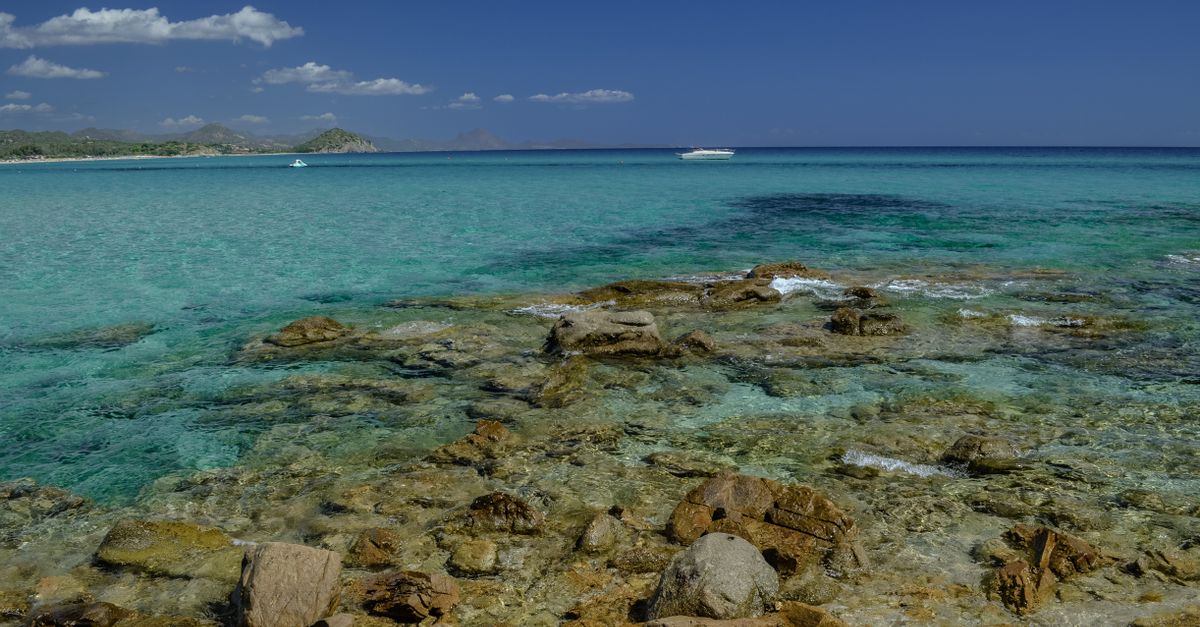
PSA (Pisa), VCE (Venice), BLQ (Bologna) and FCO (Rome) are all 3 hours from Lisbon. The Italian coast and especially Sardinia and Sicily have some of Europe's clearest water and a marine biodiversity that competes with parts of the Adriatic.
- Water temp: 14°C in winter → 26°C in late August
- Flight from LIS: 3 hours to Italian mainland; 1 connecting hop to Olbia (OLB) or Cagliari (CAG)
- Underrated month: October — water still 22°C, crowds gone, prices 30-40% lower
- Certification check: Bonifacio Strait drift dives require Advanced (operators won't waive)
Water in southern Sardinia hits 24-26°C from late June through September. October is the underrated month — water is still 22°C, the August crowds are gone, prices drop 30-40%, and the visibility is often better than midsummer because the seasonal plankton bloom has cleared.
Operator caveat I've heard from two sources: drift-diving sites around the Strait of Bonifacio require an Advanced certification and operators won't waive it. If you're newly certified, plan to do southern Sardinia's shore and boat dives, not the strait itself.
🐠 6. Egypt — Red Sea — 22–29°C, 5.5 hours (one stop, mostly)
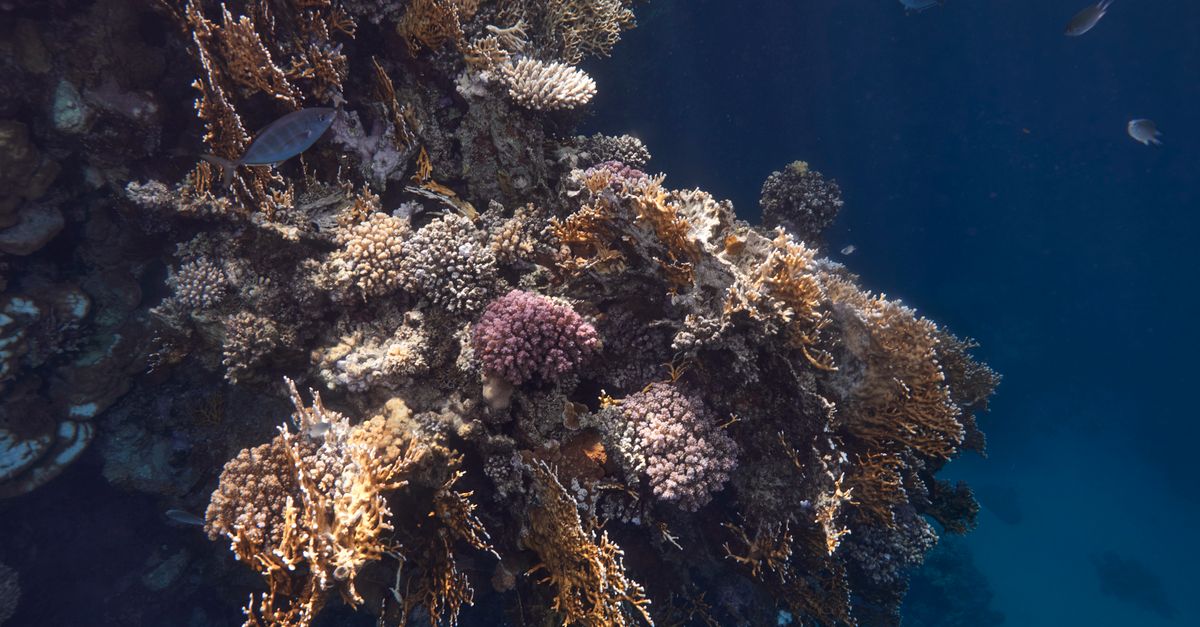
I'm including this honestly: as of the airline-route data we have, there's no current direct flight from LIS to a Red Sea hub. The closest is HRG (Hurghada) reachable via FRA, MAD or BCN — a one-stop journey averaging 9-11 hours door-to-door.
- Water temp: 22°C in Feb → 29°C in Sep[7]
- Flight from LIS: no direct; 9-11h door-to-door via FRA/MAD/BCN
- The asterisk: strictly fails the "under 6 hours, no layover" filter
- Why include anyway: substantively different from anything else on this list
So strictly speaking it fails our "under 6 hours, no layover" filter. But the water is so consistently warm and the diving so substantively different from anything else on this list that the honest call is: include it with the asterisk. If you're flying with one stop anyway, the marginal pain of getting to Sharm el-Sheikh or Hurghada is small.
⚠️ What this list deliberately doesn't tell you
The data I queried tells you nothing about three things that matter:
- Operator quality. The atlas counts dive sites, not operators. A great site with a bad operator is a worse trip than an average site with a careful one. Always check operator-level reviews (DiveAdvisor, ScubaBoard, local Facebook groups) separately.
- Real-time conditions. Climate aggregates are five-year averages. A specific Tuesday in February can be 4°C colder or 3 m worse visibility than the average — especially in the Canaries during a Calima dust storm or off Sardinia during a Mistral.
- Marine life seasonality at species level. We have 188,000 OBIS and GBIF observations across our spots[8] but this article treats destinations as monolithic. If you want to dive with manta rays, mola mola or specific shark species, the right query is "where to see X in February", not "where's the warmest water reachable from LIS."
We're building toward better answers to each of those — more operators ingested, real-time satellite data, species-specific seasonality maps — but I'd rather flag the gaps than pretend the list is complete.
If you spot factual mistakes (wrong flight time, wrong water temperature for a month you actually dove), or you know operators we should add, write to [email protected]. Every correction makes the next list better.