
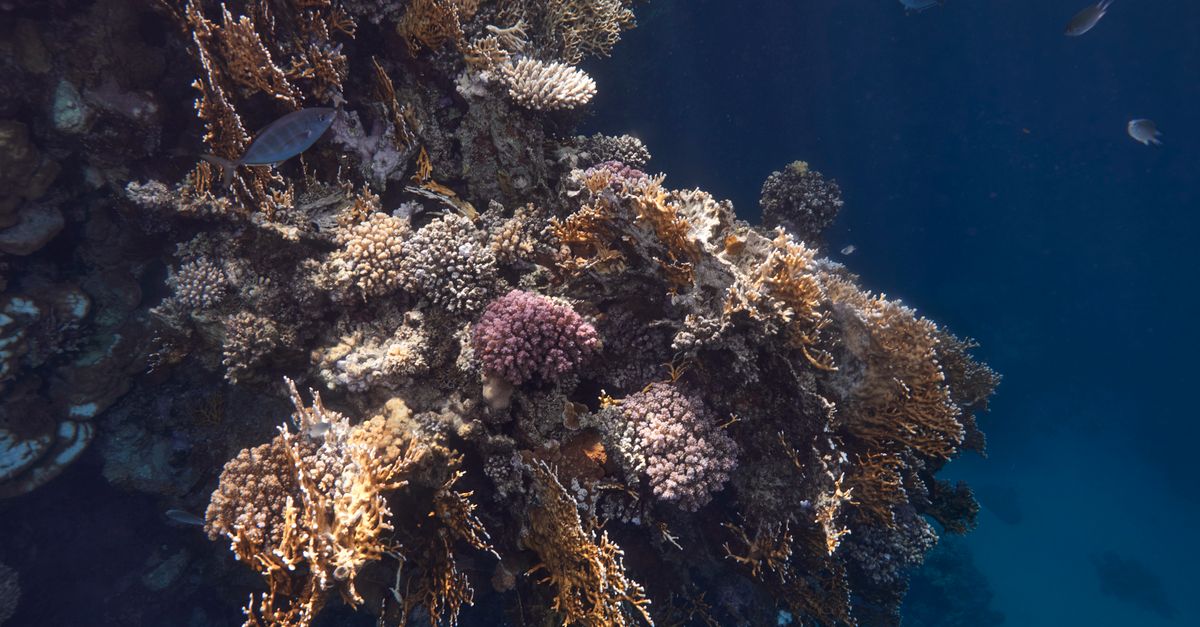
On 14 January 2022, a dive guide at a Red Sea reef logged the 847th georeferenced Octopus cyanea observation in the OBIS database for that site — in the middle of winter, water at 23 °C, the animal mid-colour-change on a coral rubble slope at 11 metres.[1] That single record is unremarkable on its own. Multiply it across nine sites, ten calendar months minimum, thirty or more records per site, and you have something no dive-travel brochure has ever actually shown you: a falsifiable, reproducible map of where octopus are documented in the water year-round, not just in the warm months when every cephalopod enthusiast happens to be booking flights.
This piece is built on GBIF and OBIS occurrence records for genus Octopus, filtered to 2015–2024, cross-referenced against Copernicus satellite SST climatology and OpenFlights route data.[3] The threshold for inclusion was strict: ≥30 georeferenced records within 0.15 decimal degrees of a published dive site, distributed across ≥10 distinct calendar months. That query returned nine sites. Not ten, not a round dozen — nine. The number reflects the data, not a headline.
Three species carry most of the occurrence weight. Octopus vulgaris dominates Atlantic and Mediterranean records. O. cyanea — the day octopus — anchors Indo-Pacific and Red Sea sites. O. bimaculoides appears in the Galápagos and eastern Pacific records, sometimes alongside pelagic species that GBIF logs at genus level only.[5] Where species-level identification is unreliable in the citizen-science record, we say so explicitly.